Can AI explain traffic jams?

Can AI explain traffic jams?

Dr Pham Viet Hung, an RMIT Vietnam researcher specialising in electronic computer systems and robotics and mechatronics, found that understanding why traffic congestion happens may be just as important as predicting where it will occur.

For millions of people in Vietnam's growing cities, traffic congestion is a daily frustration. It wastes time, affects productivity and reduces quality of life. In Hanoi alone, congestion is estimated to cost the economy around US$1.2 billion each year, while commuters can spend up to an hour a day stuck in traffic. Traffic is also a major contributor to urban air pollution.

Artificial intelligence (AI) is already helping cities predict traffic conditions. But Dr Hung's research suggests that prediction alone is not enough. To solve congestion, cities need to understand what is causing it in the first place. By combining data generated by everyday road users with explainable AI, his team explored how cities can move beyond traffic forecasts and uncover the factors driving congestion.

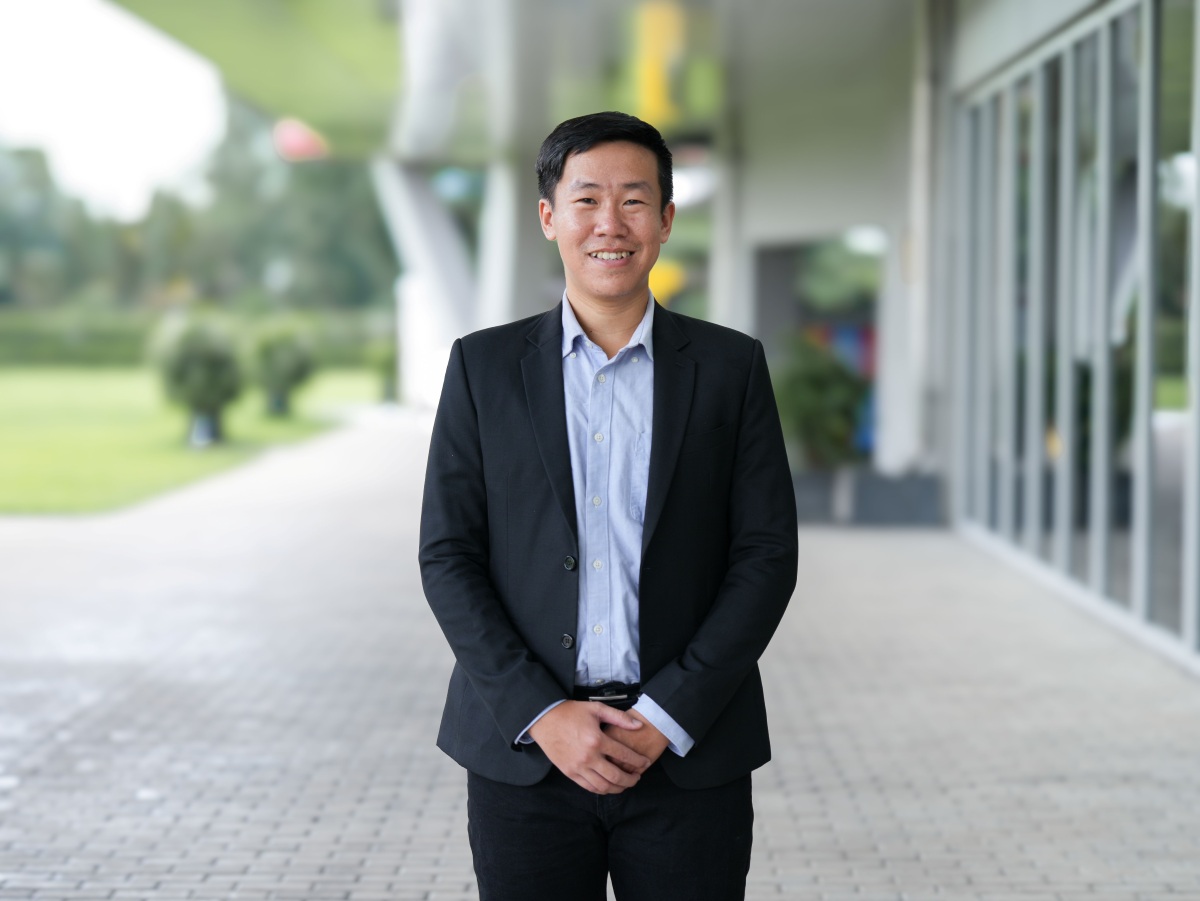
Dr Pham Viet Hung photoUsing data generated by mobile users, Dr Pham Viet Hung's research explores how explainable AI can uncover the factors behind traffic congestion. (Image: RMIT)

Looking beyond traffic forecasts

Most traffic apps can tell us where congestion is likely to happen. What they often cannot tell us is why.

Dr Hung's research set out to answer that question using traffic data generated by everyday mobile users in Ho Chi Minh City. The team combined machine learning, a form of AI that learns patterns from data, with Explainable Artificial Intelligence (XAI), which helps reveal how an AI system reaches its conclusions.

"What makes this research distinctive is that it moves beyond simply predicting traffic conditions to explaining why those conditions occur," he said.

The researchers used an AI model to analyse traffic patterns and another tool to identify the factors behind its predictions. This allowed them to see whether location, time of day, weekends or special events were contributing to congestion at a particular place and time.

One of the most interesting findings was that where congestion occurs often matters more than expected. Certain streets and locations had a stronger influence on traffic conditions than broader factors such as road type or street classification. When location information was removed, the model became noticeably less accurate.

The study also found that not all traffic jams happen during rush hour. Some occurred during quieter periods because of local events or location-specific factors. Without explainable AI, these patterns would have remained hidden.

The finding points to a simple but important lesson: understanding the causes of congestion can be just as valuable as predicting congestion itself.

Smarter cities start with smarter insights

The research is particularly relevant for fast-growing cities such as Ho Chi Minh City, where roads and transport systems often struggle to keep up with growing demand. Building large networks of traffic sensors can be expensive, but millions of road users are already generating useful data through their mobile devices every day.

"Instead of relying solely on expensive sensor networks, the research demonstrates how data generated by everyday mobile users can be transformed into valuable traffic intelligence," Dr Hung explained. 

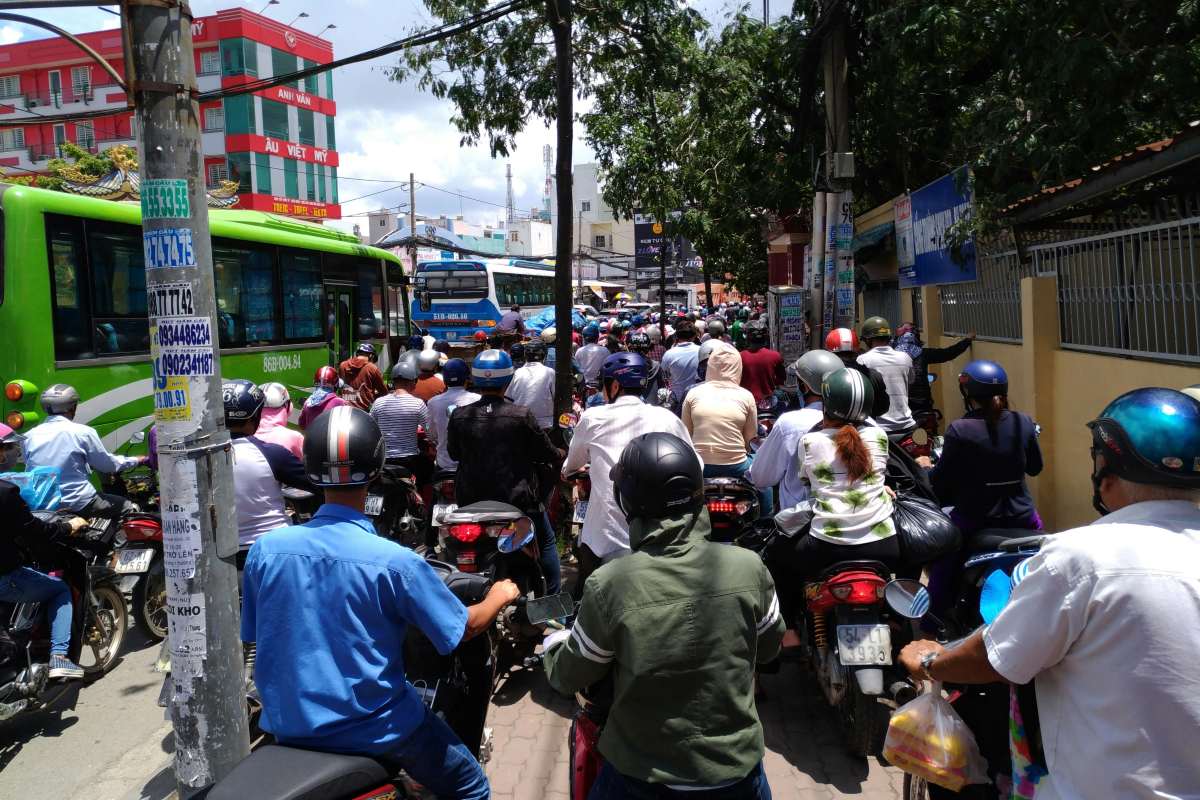
Alt Text is not present for this image, Taking dc:title 'ri-05-traffic-congestion-1200x800'Millions of road users generate valuable data every day. The challenge is turning it into better transport decisions. (Image: Unsplash)

With around eight million drivers in Ho Chi Minh City, citizen-generated data can provide a richer picture of how people move around the city and where traffic problems are most severe.

The benefits extend beyond commuters. Better traffic insights could help logistics and delivery companies plan routes more efficiently, reducing travel times and operating costs. Urban planners could identify congestion hotspots more accurately and target solutions where they will have the greatest impact. Instead of investing broadly across an entire district, authorities could focus on specific locations responsible for recurring bottlenecks.

More broadly, the research demonstrates how developing cities can use data and AI to address urban challenges without relying solely on costly infrastructure upgrades. It also shows how technology can support decision-making in a way that is transparent and easier to understand.

Looking ahead, Dr Hung and his team plan to expand the framework by incorporating additional sources of information, such as weather conditions, road incidents and public events. They also hope to test the approach in other cities to better understand how traffic patterns differ across urban environments.

As someone who lives and works in Ho Chi Minh City, Dr Hung sees congestion not only as a transportation problem but as a challenge that affects people's daily lives.

"What motivates this research is the opportunity to turn the data generated by everyday citizens into practical insights that can help governments, businesses and communities make better decisions," he said. "By making AI not only powerful but also transparent and understandable, we hope to contribute to a future where technology helps create more efficient, liveable and people-centred cities across Vietnam."

As Vietnam continues to urbanise and embrace digital transformation, the challenge is no longer simply collecting more data. It is turning that data into insights that people can trust and act upon.

That belief sits at the heart of The Ripple Theory, a series of expert perspectives informed by research from RMIT University Vietnam. By connecting academic insight with real-world stories, the series helps readers gain a deeper understanding of the shifts unfolding across the economy, society, environment, and technological world, while exploring solutions and opportunities for what lies ahead.

Read the full study at:
https://link.springer.com/chapter/10.1007/978-3-031-59042-9_5

Story: Ha Hoang

Thumbnail image: Daniel Stewart – unsplash.com

Related news