The hidden debt of AI adoption

The hidden debt of AI adoption

What happens when technology advances faster than the people, cultures and leadership practices needed to make it work?
As organisations race to embrace artificial intelligence (AI) while managing increasingly multicultural workforces, experts from Deloitte, Bosch and RMIT University Vietnam are asking a provocative question: are businesses accumulating a hidden debt as technology outpaces organisational culture?

Imagine a workplace where AI can translate conversations instantly, automate complex tasks and connect teams across continents. Technology has never made collaboration easier. Yet employees may still struggle to understand one another, trust their leaders or work effectively across cultural differences. 

Could the biggest obstacle to AI transformation be something technology itself cannot fix?

This question brings attention to an emerging concept known as cultural debt, the hidden organisational friction that can accumulate when human systems, including trust, shared values, leadership behaviours and ways of working, fail to keep pace with change. 

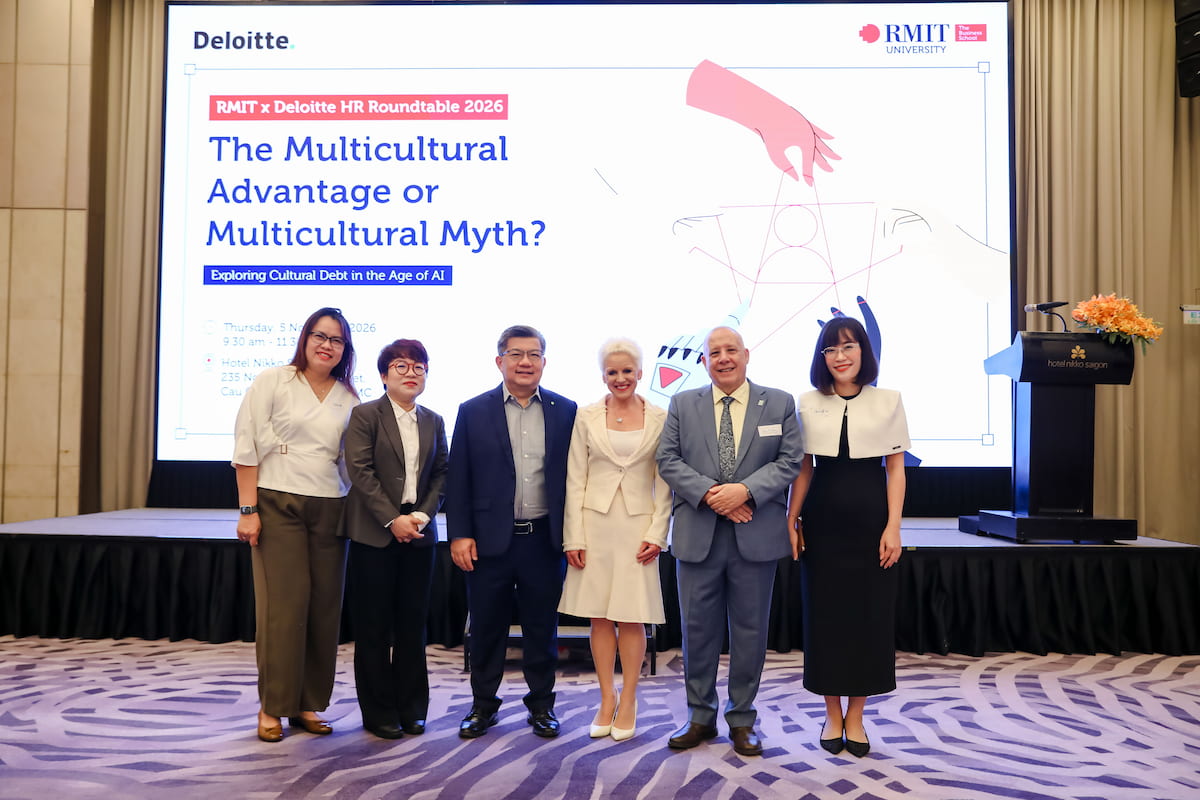
The concept sparked discussion at the RMIT × Deloitte HR Roundtable 2026, where business leaders, human resources professionals and academics explored whether organisations are becoming technologically advanced faster than they are becoming culturally prepared.

The hidden human cost of transformation 

Businesses are investing in AI to improve efficiency, productivity and competitiveness. But while technology can be deployed relatively quickly, organisational cultures often take much longer to evolve.

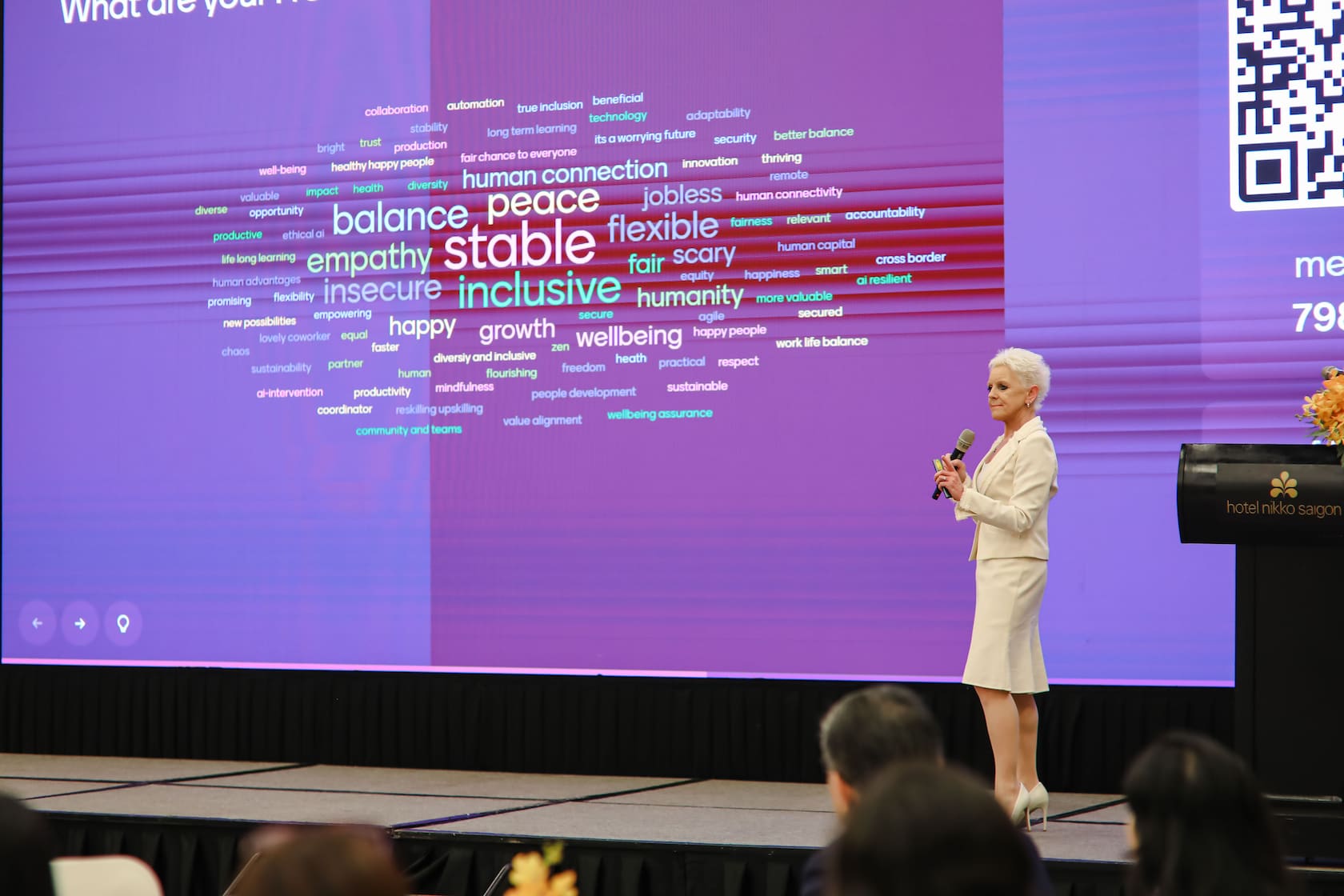
Delivering the keynote, Ms Nicole Scoble-Williams, Global Future of Work Leader at Deloitte, explored how AI could expose, amplify, and even scale, existing organisational weaknesses when human systems struggle to keep pace.

Ms Nicole Scoble-Williams, Global Future of Work Leader at Deloitte (Image: RMIT)Ms Nicole Scoble-Williams, Global Future of Work Leader at Deloitte (Image: RMIT)

Her insights highlighted a critical challenge. The issue is not only how people use AI, but how AI is reshaping the human-to-human interactions through which culture is formed and reinforced, including how people communicate, collaborate, make decisions, build trust and judge performance. AI may increase speed and efficiency, but it cannot automatically create trust, strengthen relationships or resolve deeply rooted organisational tensions.

For business leaders, this raises an uncomfortable possibility. Could organisations be accumulating cultural debt even as they celebrate progress in digital transformation?

Is multiculturality really a competitive advantage?

Multicultural workforces are often celebrated as drivers of creativity, innovation, and competitive advantage. Yet bringing people from different cultural backgrounds together does not automatically produce better organisational outcomes. The real question is not simply how diverse an organisation is, but how effectively it turns those differences into value. 

From a global consulting perspective, Ms Scoble-Williams encouraged organisations to look beyond diversity itself and examine whether their cultures, leadership behaviours and ways of working are strong enough to convert difference into collaboration, judgment and value.

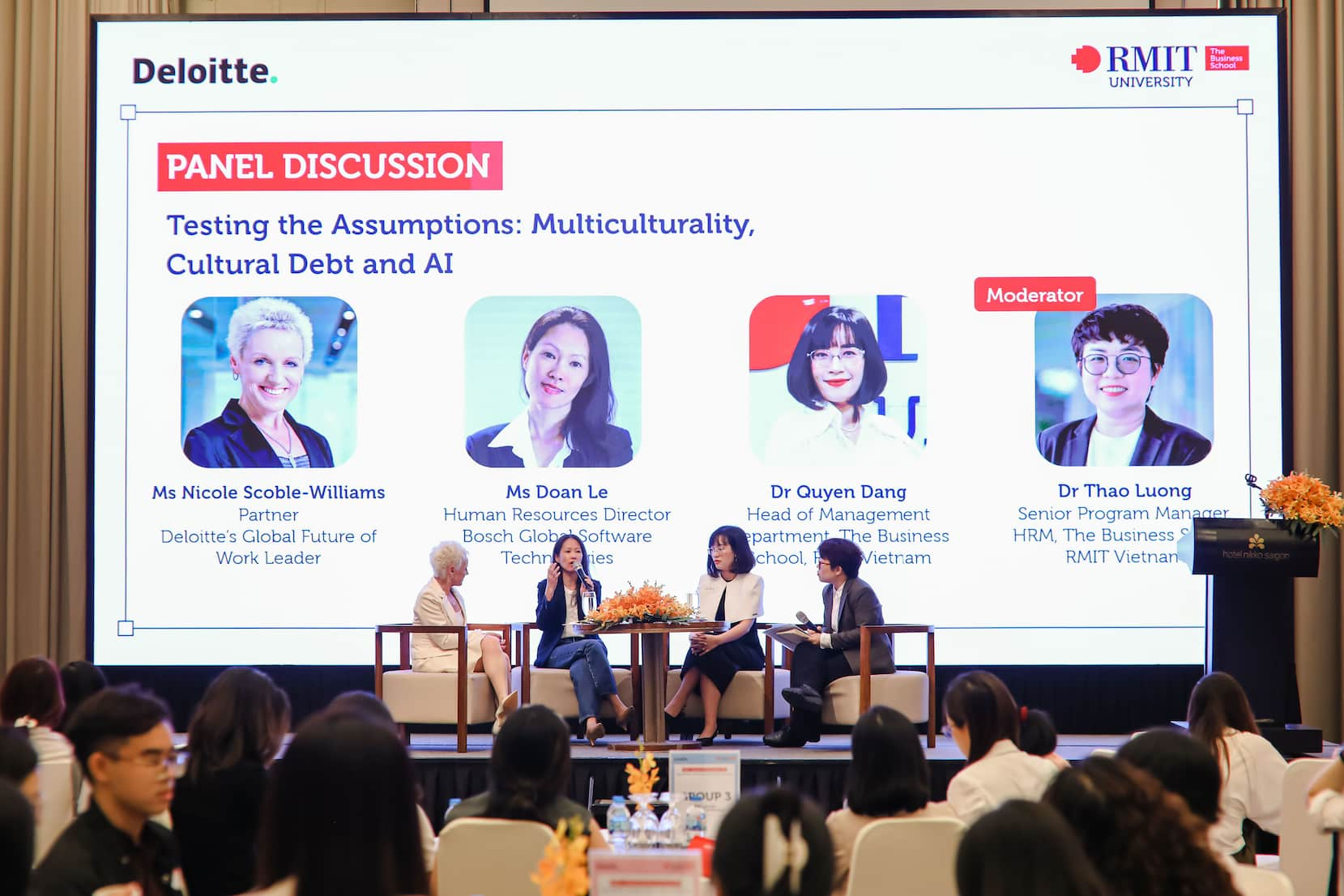
For Ms Le Tran Ngoc Doan, Human Resources Director at Bosch Global Software Technologies, the challenge is both practical and strategic. Drawing on her leadership experience, she emphasised the importance of translating multiculturality into business value through effective people management, trust-building and organisational practices that enable employees to contribute their different perspectives.

The panel discussion brought together perspectives from business and academic (Image: RMIT)The panel discussion brought together perspectives from business and academic (Image: RMIT)

Adding a research-based perspective, Dr Dang Thao Quyen, Head of the Department of Management at RMIT University Vietnam, highlighted that the relationship between cultural diversity and organisational performance is far from automatic. Inclusive leadership, psychological safety and effective collaboration are among the conditions that can determine whether cultural differences become a source of innovation or friction.

Together, these perspectives challenge a familiar assumption. Diversity may create the opportunity for competitive advantage, but leadership and organisational culture determine whether that opportunity is realised.

When AI scales, what else gets amplified?

AI offers powerful tools for overcoming language barriers, sharing knowledge, and connecting multicultural teams. Yet it can also reproduce existing biases, reinforce outdated assumptions, or accelerate ineffective organisational practices. 

Consider an organisation where employees already hesitate to challenge decisions or share different perspectives. Introducing AI into decision-making may increase efficiency, but will it make those employees feel more heard?

Similarly, AI-powered communication tools may translate words accurately without necessarily capturing the cultural nuances, expectations, or relationships behind them.

These possibilities raise a question that business leaders cannot afford to overlook. When organisations scale AI, are they scaling their strengths or their weaknesses?

The challenge is therefore not simply to adopt AI faster, but to ensure the human systems surrounding it are strong enough to shape its use well and support more inclusive, adaptive and effective ways of working. 

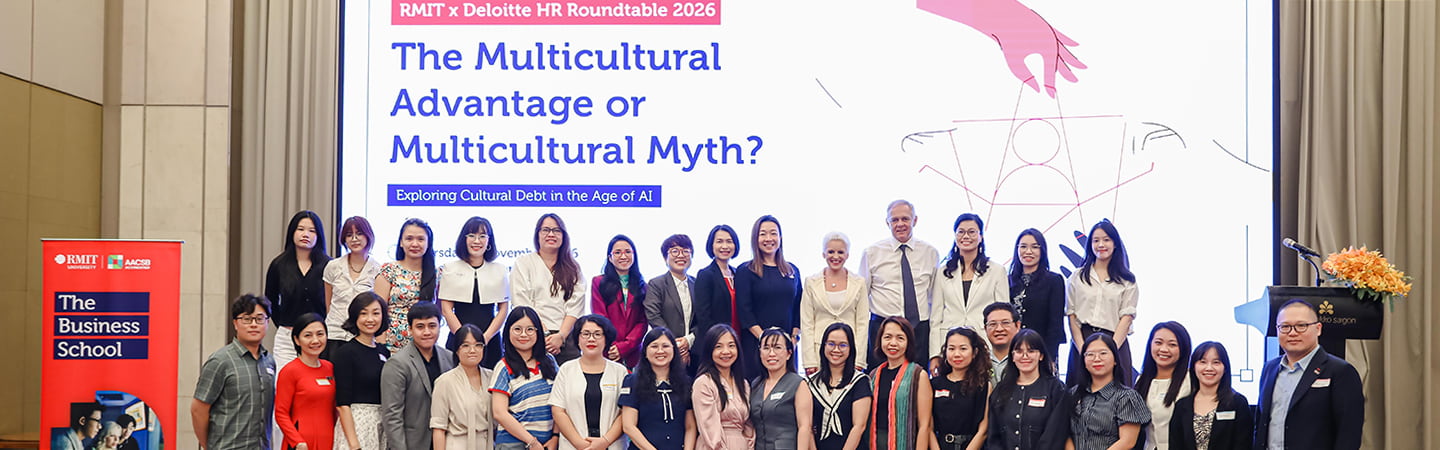
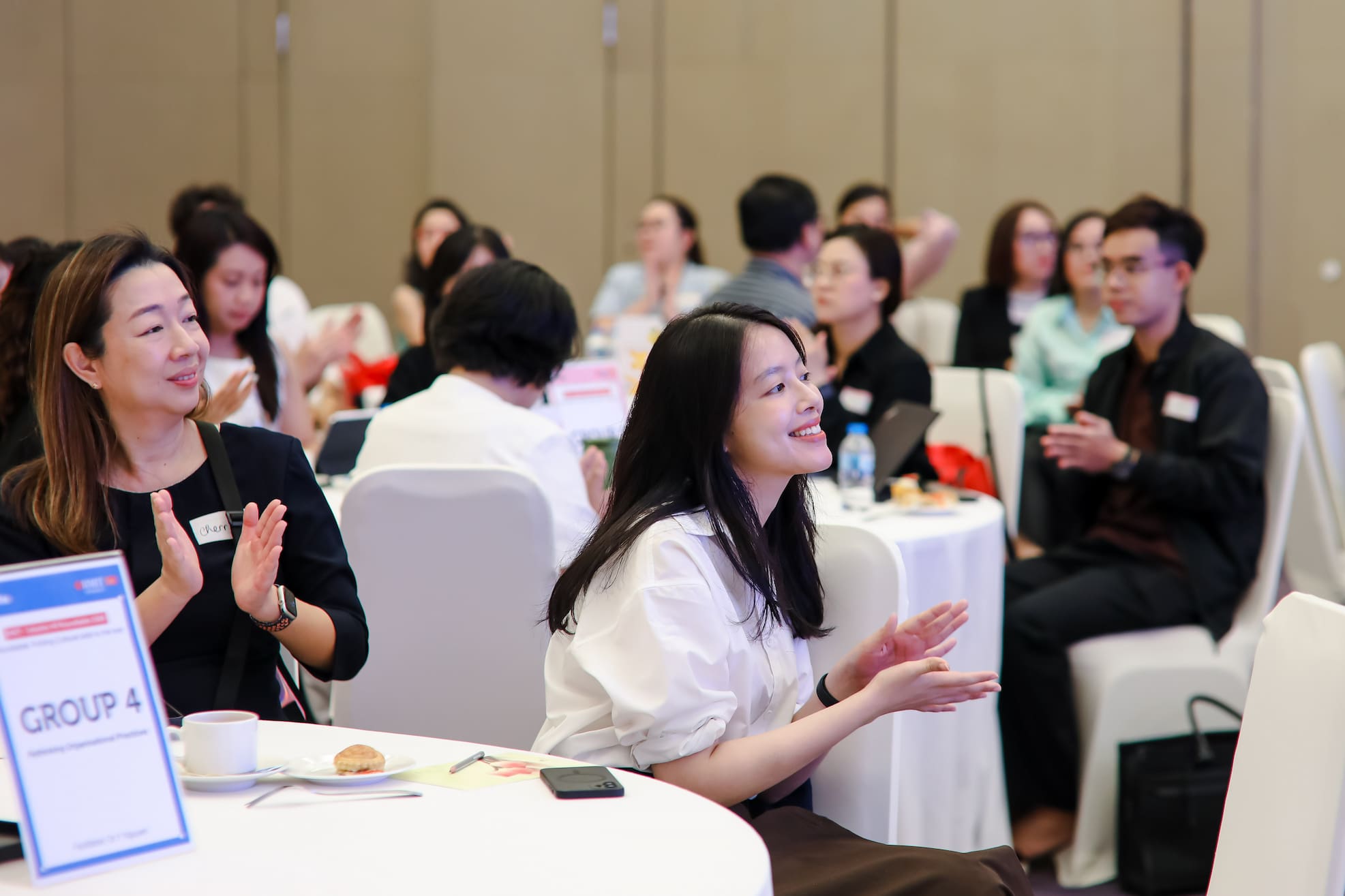
The RMIT × Deloitte HR Roundtable, an annual forum on workforce trends and challenges (Image: RMIT)The RMIT × Deloitte HR Roundtable, an annual forum on workforce trends and challenges (Image: RMIT)

The next competitive advantage may be human

The conversations at the RMIT x Deloitte Roundtable 2026 challenged participants to rethink three widely held assumptions: that multiculturality automatically creates business value, that AI inevitably improves collaboration, and that organisational culture will naturally adapt to technological change. 

They also raised an important question about cultural debt itself. Does the concept reveal something genuinely new about organisational transformation, or does it provide a fresh lens through which to understand familiar management challenges?

Whatever the answer, one implication deserves attention. Businesses cannot expect technological investment alone to deliver transformation if the people, leadership practices and organisational cultures surrounding that technology remain unchanged. 

As AI reshapes the future of work, organisations may need to invest just as deliberately in trust, inclusion, adaptability and human judgement as they do in digital capabilities, because the real competitive edge may lie not in AI alone, but in the culture that amplifies human advantage around it.

After all, the most successful organisations may not be those that adopt AI the fastest, but those that learn to bring their people and technology forward together.

The RMIT × Deloitte HR Roundtable 2026, themed “The multicultural advantage or multicultural myth? Exploring cultural debt in the age of AI", brought together business leaders, human resources practitioners and academics to explore the future of multicultural and AI-enabled workplaces.

Story: Dr Thao Luong and June Pham

23 November 2026

Share

Related news