RMIT Sustainability Week 2026: building capabilities, driving impact

RMIT Sustainability Week 2026: building capabilities, driving impact

RMIT Sustainability Week 2026 creates a space for learning, connection and hands-on experiences where individuals can develop their sustainability capabilities in ways that align with their strengths and aspirations.
As a flagship annual event at RMIT University Vietnam, Sustainability Week supports the University's vision of integrating sustainability across learning and teaching, research, operations and community engagement. Taking place at the Saigon South campus from 2-5 November and the Hanoi campus on 9-10 November, this year's event was themed “Sustainability in motion – Move what matters onwards.”

The event brought together RMIT students, staff, and industry partners to strengthen individual capabilities, foster knowledge exchange and encourage collective action towards a more sustainable future.

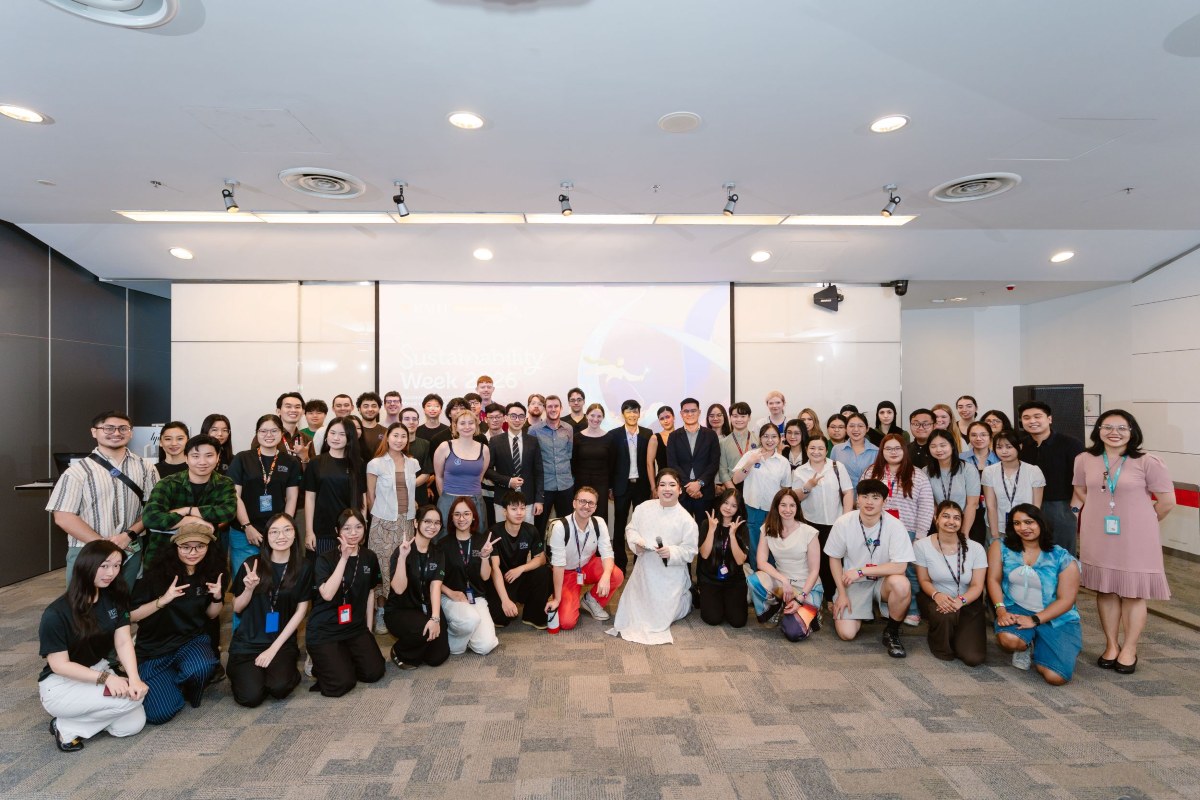
Group photoRMIT’s annual Sustainability Week brings together RMIT students, staff, and industry partners. (Photo: RMIT)

Building capabilities for a world in transition

This year's theme reflects the rapid transformations reshaping the world and the growing need for individuals to navigate change. For young people, the ability to define their own paths in learning, creating and connecting has become increasingly important. By continuously developing knowledge and skills, they can adapt to evolving challenges and contribute meaningfully to the sustainable development of their organisation and society.

Sharing insights into the University's sustainability direction, Professor Scott Thompson-Whiteside, Pro Vice-Chancellor and General Director of RMIT University Vietnam, highlighted the importance of building capabilities and fostering interdisciplinary collaboration to address society’s shared challenges.

“Sustainability is a question about what we inherit, what we use, and what we leave to those who come after us. For a university, that question is close to home, because what we research, teach, build and decide today will outlast us.

“At RMIT Vietnam, we aspire for collaboration and collective impact, empowering future-ready changemakers. Sustainability need not sit apart from this work. It can shape the questions we ask, the perspectives we bring together, and how we put knowledge into practice,” he said.

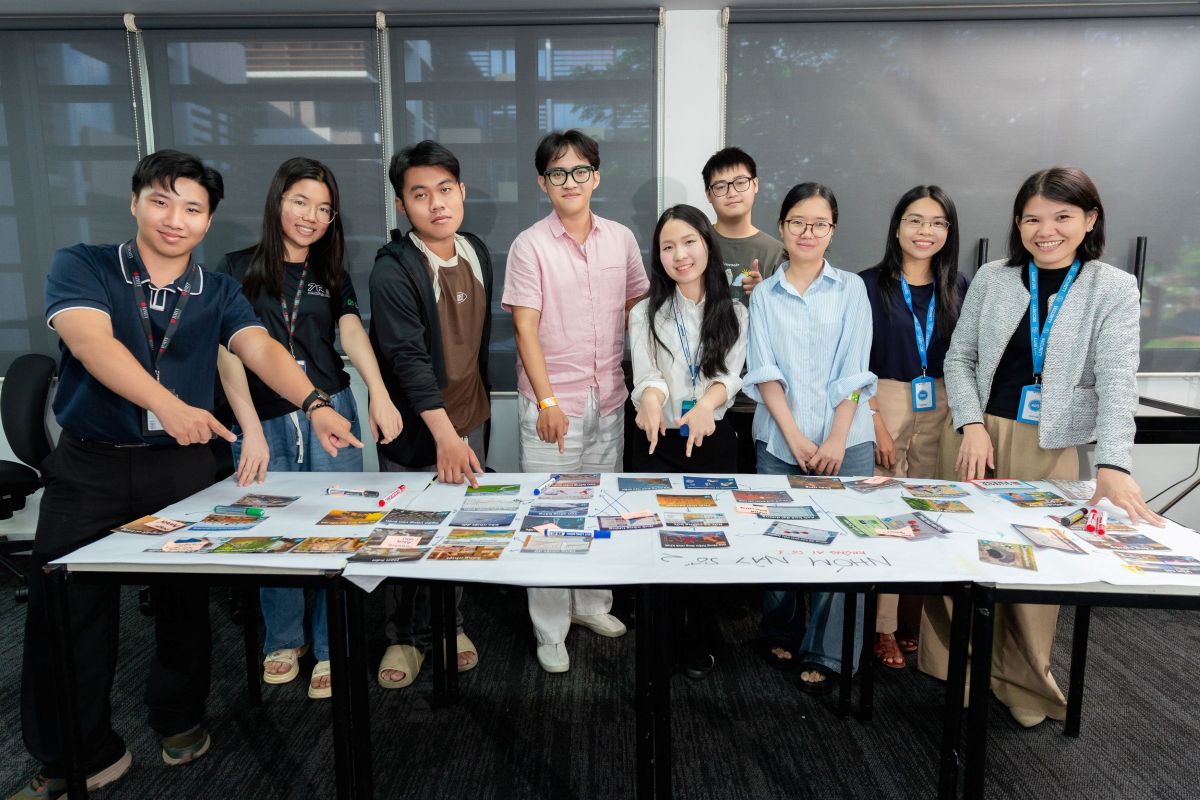
nine people standing behind a table smilingParticipants at Climate Fresk – a collaborative card-based workshop mapping the causes and impacts of climate change and exploring meaningful responses. (Photo: RMIT)

Under the overarching message of “Building capabilities to move sustainability forward”, RMIT Sustainability Week 2026 aimed to bridge the gap between knowledge and action. This vision came to life through a diverse program of activities, from exhibitions that inspired new perspectives on creativity and innovation, to expert talks and training sessions that built knowledge and skills. Participants were also encouraged to put learning into practice through hands-on experiences, while panel discussions fostered dialogue, connections and interdisciplinary collaboration with industry and other stakeholders.

Inspiring sustainable action

With a strong focus on experiential learning, RMIT Sustainability Week 2026 offered diverse ways to participate, allowing attendees to choose activities that align with their interests and personal development goals while exploring sustainability challenges through practical perspectives.

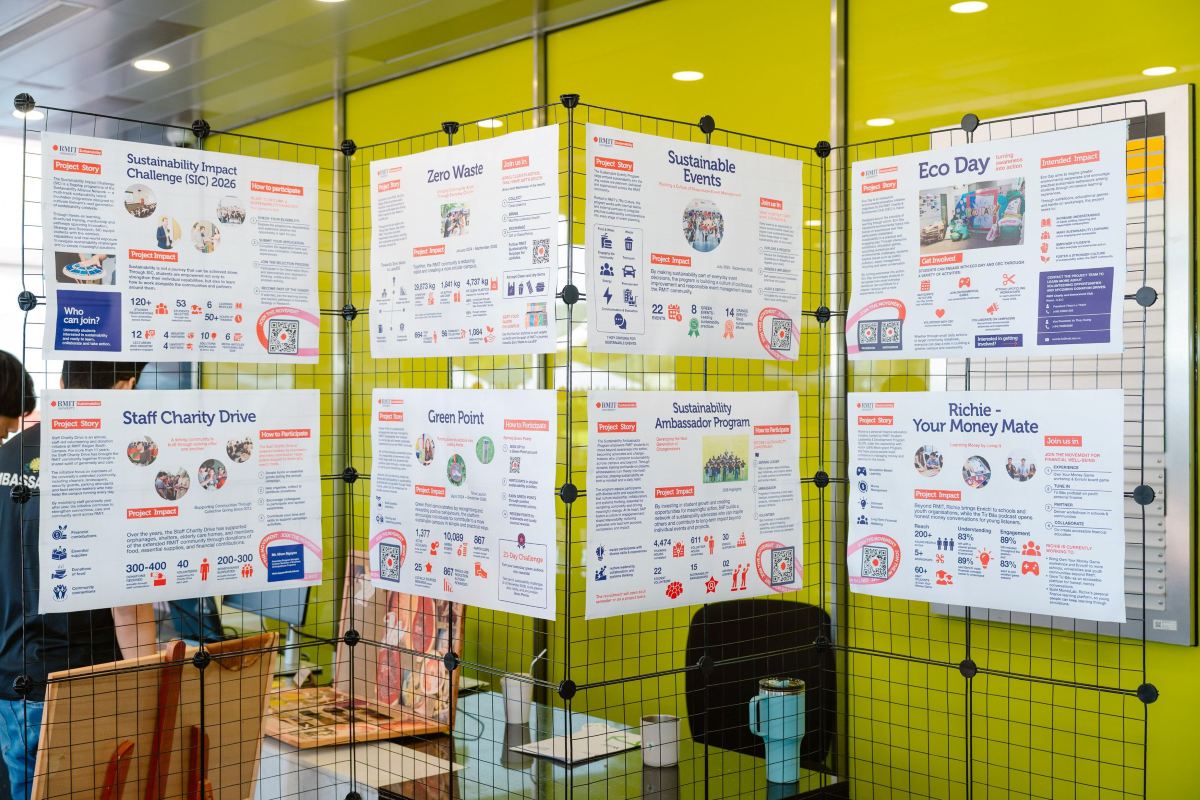
A key highlight is the Sustainability Exhibition, showcasing more than 15 research, education and community impact projects from RMIT Vietnam. The exhibition celebrated the innovative efforts of academics, students and partners in responding to evolving sustainability challenges.

Posters at exhibitionThe Sustainability Exhibition showcased more than 15 research, education and community impact projects. (Photo: RMIT)

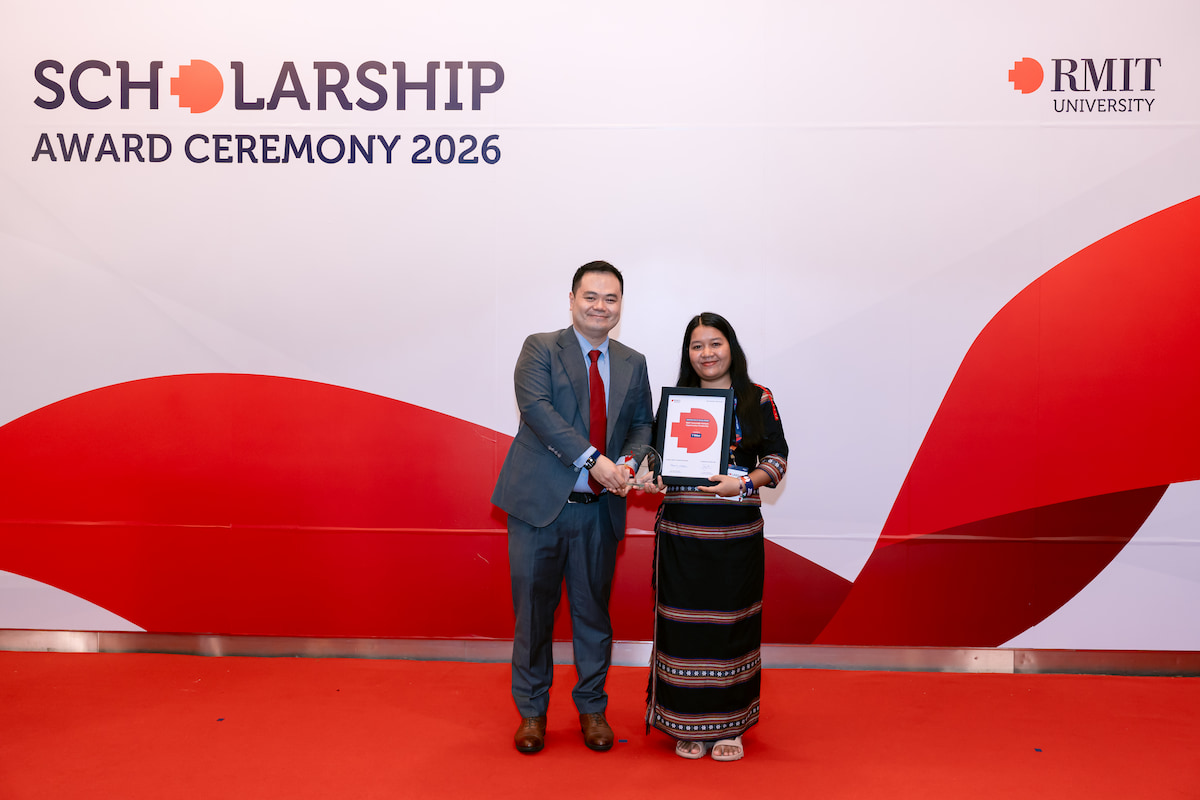
Sharing his experience at the exhibition, Nguyen Tat Dat, a 2026 graduate of RMIT University's Digital Marketing program, said: “As a recent graduate, I am still discovering the path I want to take. Rather than feeling pressured to follow every emerging trend, I have come to appreciate the importance of understanding my own strengths and finding ways to develop them further. What stood out to me at the exhibition was how each project reflected a different approach to creating meaningful, lasting change.”

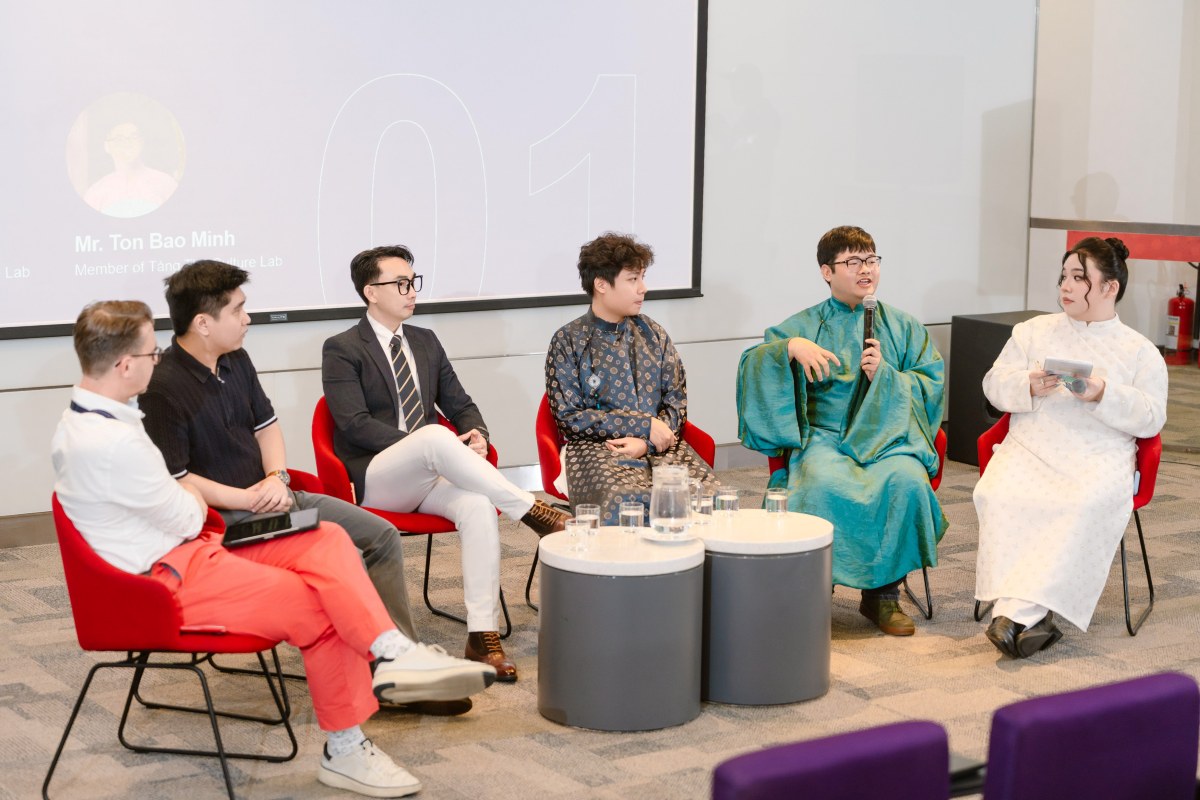
In addition, more than 10 panel discussions, expert talks and training sessions broadened perspectives on sustainability across various fields, from green supply chain trends and responsible finance to cultural heritage preservation and sustainable creativity.

Six people in a panel discussionThe panel discussion themed ‘Sustainability in motion: Youth moving culture onward’ during Sustainability Week 2026. (Photo: RMIT)

Alongside these sessions, hands-on workshops delivered in collaboration with more than 10 industry partners and RMIT Vietnam offered opportunities to explore how sustainable materials, processes and solutions can be applied in real-world and business contexts.

Meanwhile, the 21-Day Sustainability Challenge on the AgreenChoice platform encouraged the RMIT community to embrace more sustainable lifestyles through everyday choices, from consumption and transportation to resource use.

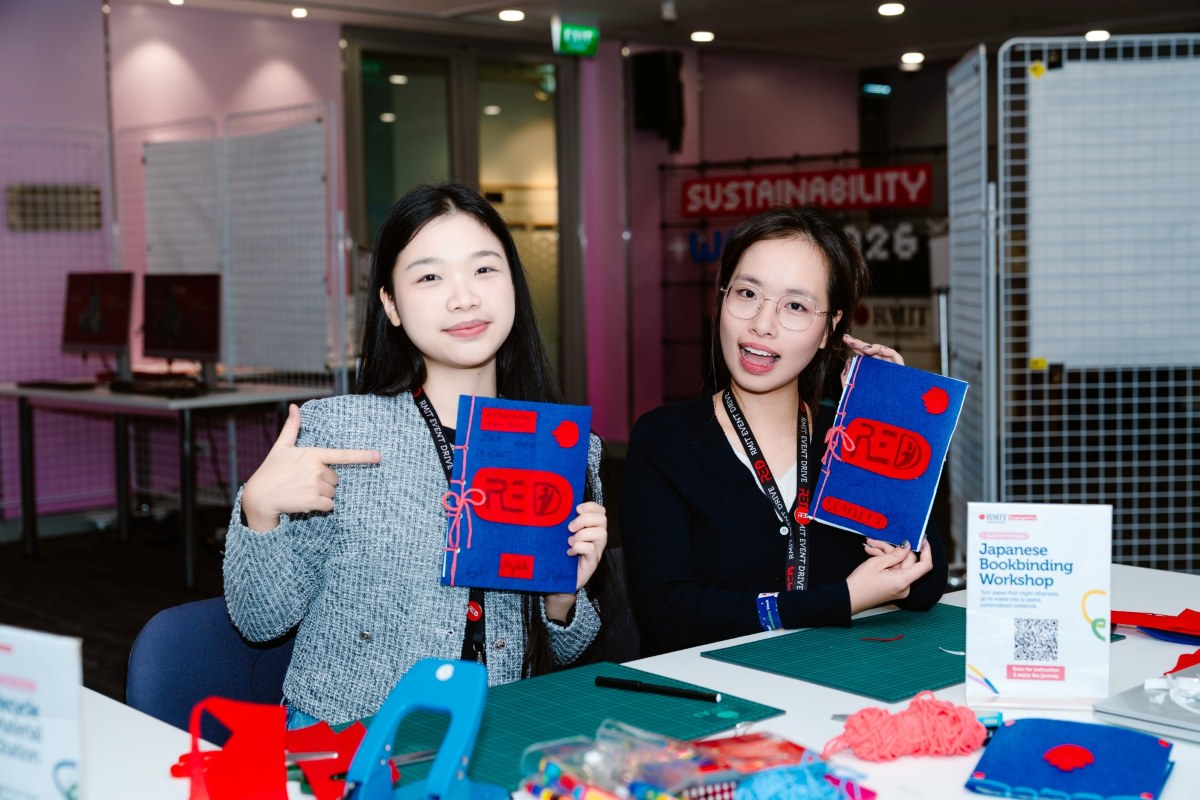
Two students holding two notebooksHanoi-based students participated in a workshop to make notebooks using fabric and wastepaper. (Photo: RMIT)

Advancing the role of education in driving sustainable transformation

The program also reinforced RMIT University's role in connecting communities, fostering collaboration and promoting sustainable lifestyles within the educational environment. Through these initiatives, the University reaffirms its commitment to working alongside the community towards long-term sustainability goals.

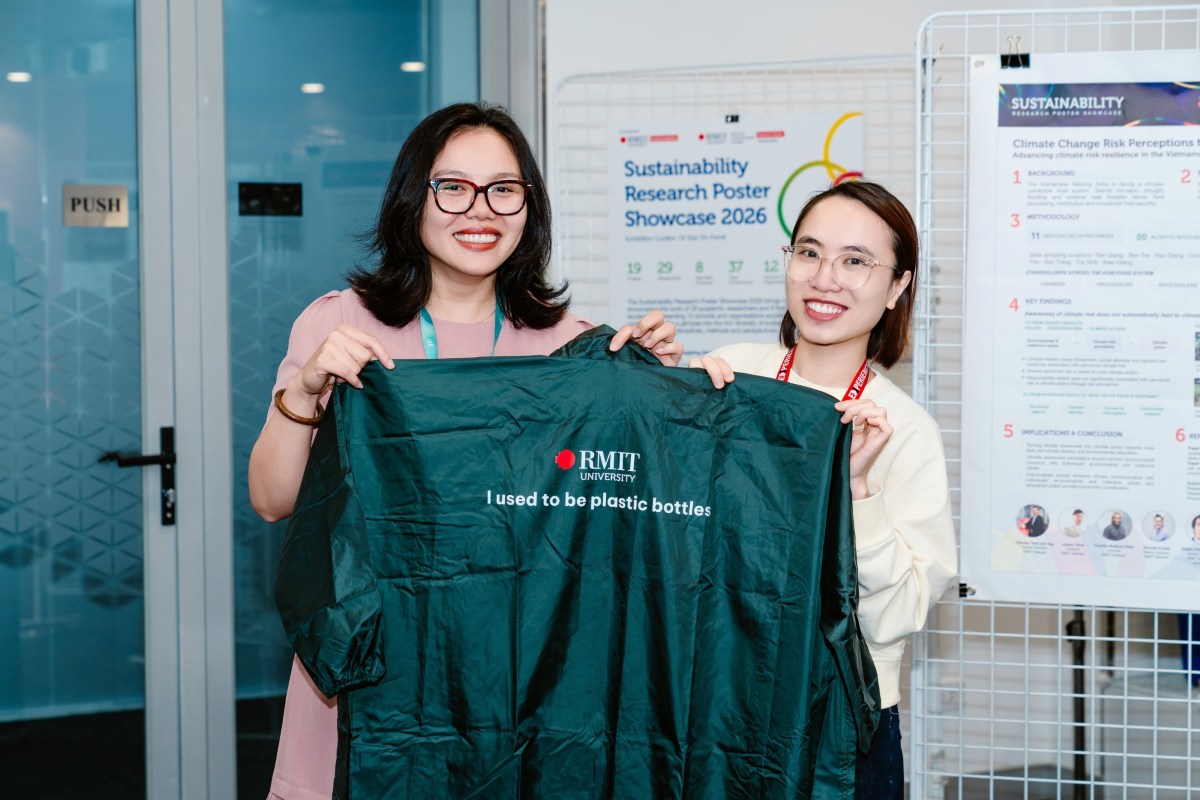
Two people holding a rain poncho made out of plasticsParticipants in the Sustainability Week can win useful gifts made from recycled materials. (Photo: RMIT)

Reflecting on the three-year journey of Sustainability Week, Ms Trinh Thi Anh Phuong, Sustainability Manager at RMIT Vietnam, said:

“Over the years, we have come to recognise that the role of higher education extends far beyond raising awareness and broadening perspectives. It is equally about creating opportunities for people to transform what they learn into meaningful action, bringing sustainable thinking into the way they study, work and engage with the world around them.

“Together with our partners, we aspire to make sustainability more tangible and accessible – moving it beyond an abstract concept to become an essential set of practical life and professional capabilities. Through this, we hope to empower young people to thrive in a global environment.”

Story: Giang Huynh

10 November 2026

Share

Related news