Short-term fixes alone will not be enough
That said, short-term measures can only soften the immediate shock. Over the longer term, Vietnam will need policy and institutional reforms to embed energy efficiency more sustainably.
International experience shows that energy pricing and market mechanisms play a central role in shaping consumption behaviour. Several European countries have introduced price caps while simultaneously reducing fuel subsidies to encourage more efficient use. At the same time, they have invested heavily in improving energy efficiency in buildings, housing and industrial production, particularly as the residential sector can account for more than 50 per cent of the total energy consumption in some countries.
For Vietnam, this points to three key policy directions:
(1) gradually reform energy subsidies — that is, reduce or phase out state support that keeps the prices of petrol, diesel, electricity and gas below market levels, while doing so in stages to avoid sudden shocks for households and businesses;
(2) introduce mandatory energy efficiency standards for appliances and buildings; and
(3) encourage businesses to invest in energy-saving technologies through green finance and concessional credit.
Electrification: a strategic step to reduce oil dependence
This latest crisis has highlighted the risks of relying heavily on imported oil. In response, some governments and businesses have begun shifting towards electric vehicles and the use of electricity in cooking, transport and manufacturing to reduce dependence on fossil fuels.
Electrification offers three major advantages.
First, it reduces geopolitical dependence. Electricity can be generated from a wider range of domestic sources, including renewables, coal, gas and hydropower, helping to reduce a country’s vulnerability during oil import disruptions.
Second, it improves long-term cost stability. While oil prices are highly volatile, electricity costs, particularly from renewable energy, tend to be more stable over time.
Third, it supports green transition. The current energy crisis is making renewable energy more competitive compared to fossil fuels.
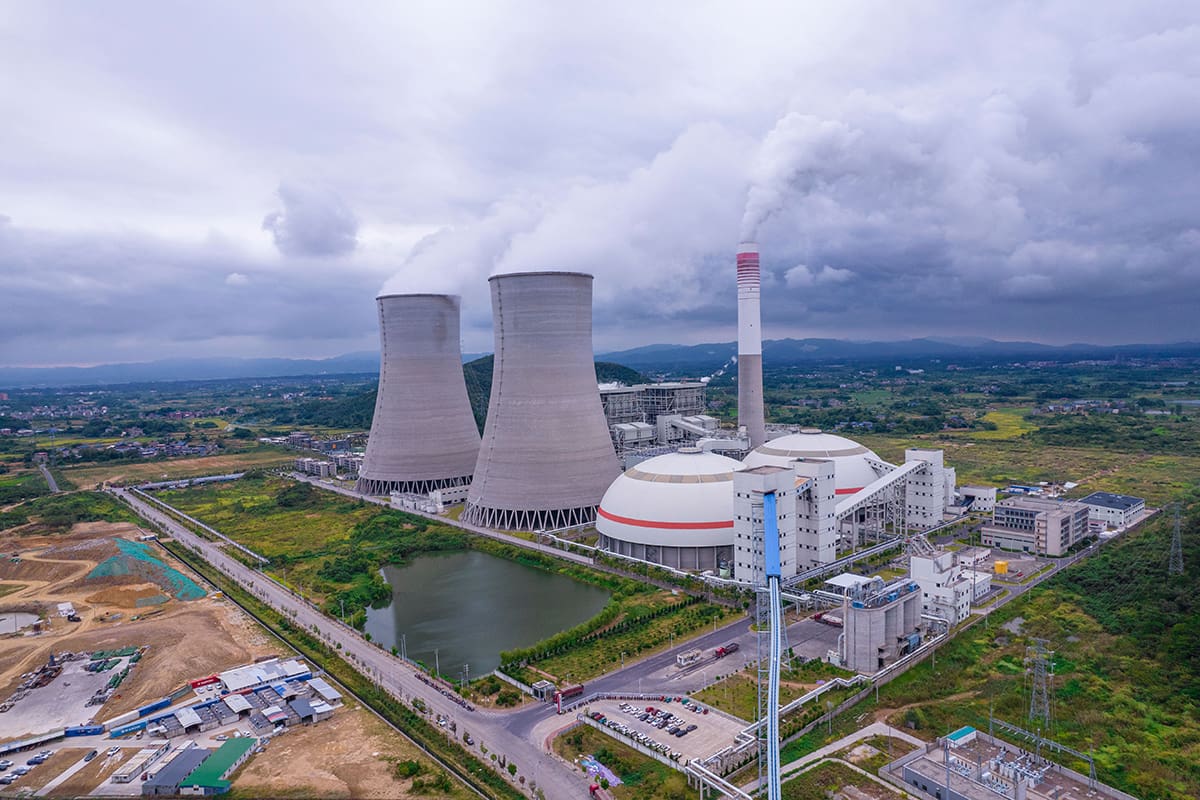
However, electrification will only deliver its full benefits if it is accompanied by a cleaner power mix. If electricity generation remains heavily dependent on coal, the environmental gains will be limited.