
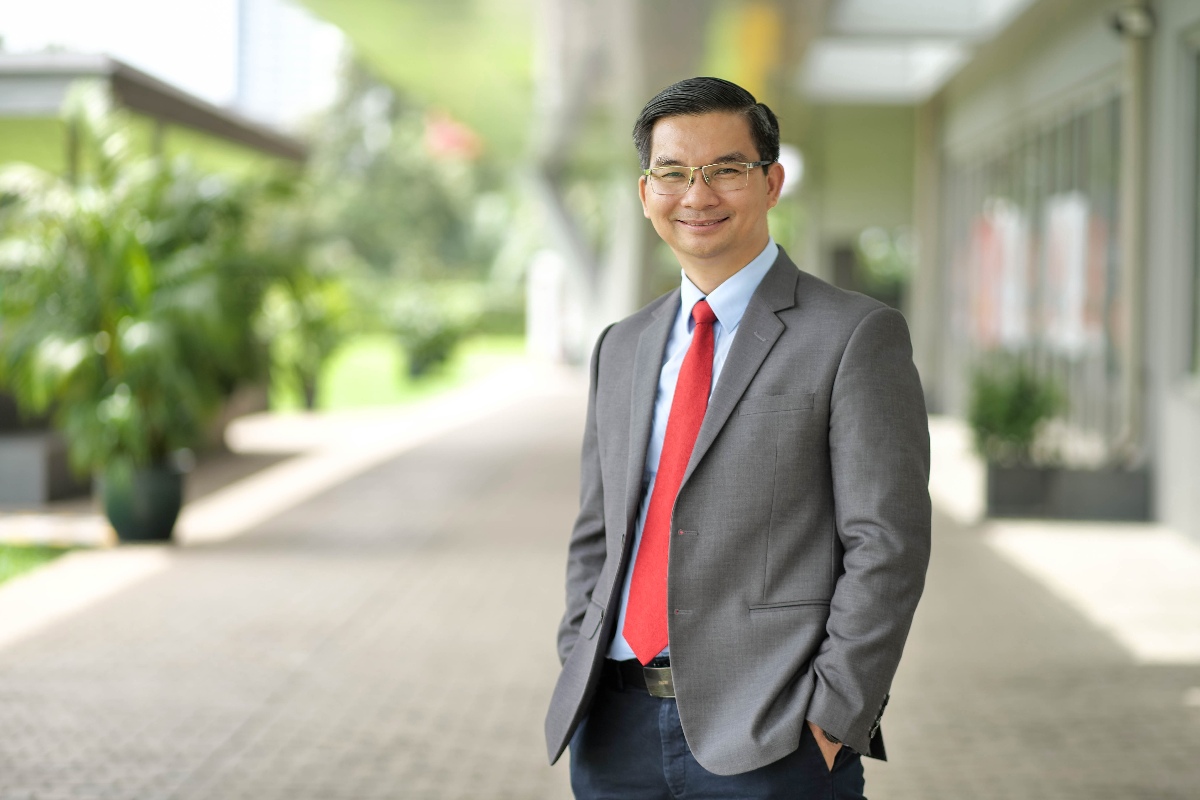


But infrastructure alone won’t suffice. “True transformation requires deep reform in leadership mindset, institutional design, and human capital development. Short-term solutions may entrench inefficiencies unless grounded in long-term strategy,” says Professor Trung.
Inclusion must also be embedded from the start. Drawing inspiration from cities like Barcelona and Seoul, Ho Chi Minh City can pilot co-design approaches that allow communities to shape their own spaces. Digital platforms like UDI Maps and My Parking should be scaled to reach peripheral districts. While digital skills remain unevenly distributed in Vietnam’s labour force, expanding digital literacy is essential.
In many major cities around the world, the private sector plays a crucial role in developing urban transport infrastructure. Ho Chi Minh City should also adopt appropriate public–private partnership (PPP) models to effectively leverage this resource. To attract and sustain private investment, the city can introduce policy incentives such as urban tech sandboxes, innovation funds, and streamlined regulatory frameworks. International collaboration - with organisations like JICA or networks such as the ASEAN Smart Cities Network, and global platforms including the Smart Cities Council, the Centre for Urban Transformation (World Economic Forum), and UN-Habitat (United Nations) - can provide vital momentum.
Research institutions like RMIT also play a crucial role. Through digital labs, policy dialogues, and capacity-building, universities can help cities test bold ideas and scale what works.
For Professor Trung, this transformation is about building a larger city and redefining what an Asian megacity can look like. What excites him most is the chance to build a place where everyone can thrive.
“This journey gives us the chance to create a city that’s larger in size and deeper in meaning. A place where a factory worker and a tech entrepreneur can live side by side; where public spaces invite connection; and where young people feel they belong - not just in the economy, but in the story of the city itself.”
To those who are shaping the city’s future, he offers a final reflection: “Learn how cities breathe, through data and emerging technologies such as AI or smart platforms, and through dreams, struggles, and human connection. Planning is a technical task, and it’s also an act of care. The tools will change. But the soul of the city - how it lifts people up, brings them together, and gives them a place to belong - that’s what truly matters.”