
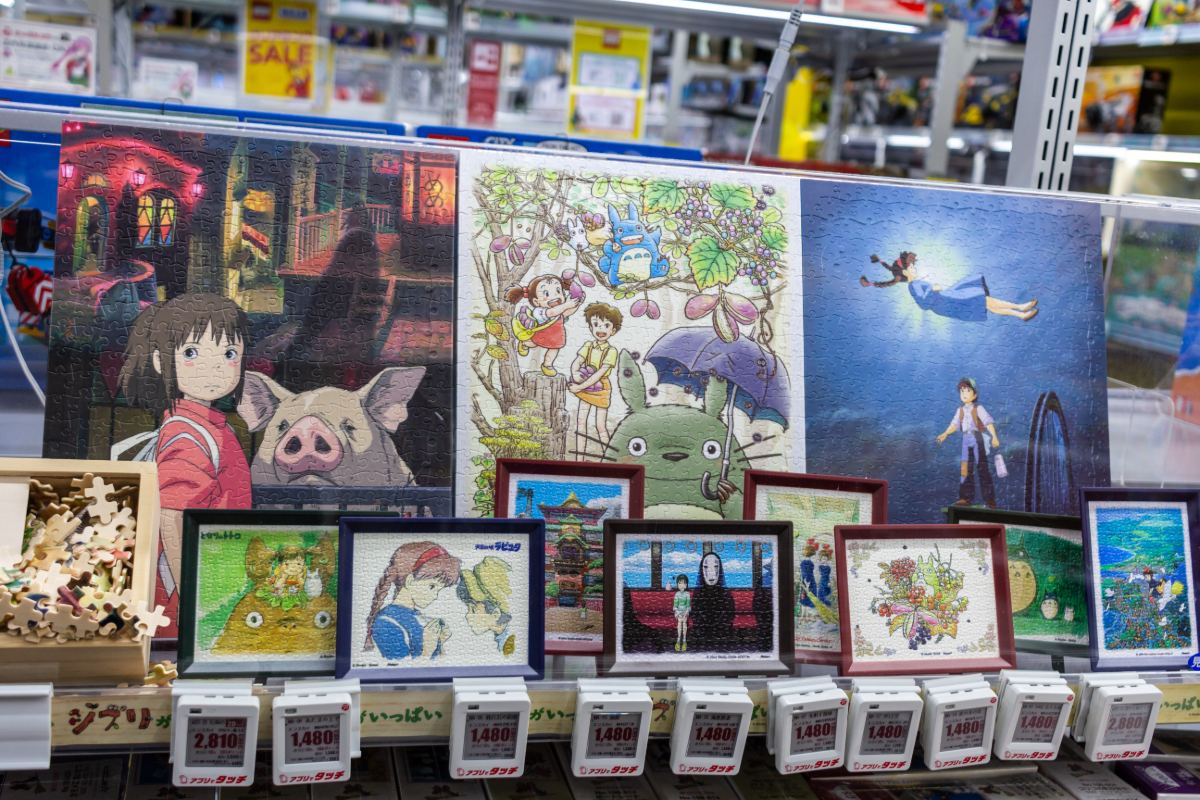


In India, ChatGPT’s fastest-growing market, more than 130 million users generated over 700 million images. In South Korea, daily active users hit a record 1.25 million in early April, a spike attributed in part to the popularity of Ghibli-style image prompts. This highlights how technology can reframe everyday life, allowing users to step into a dreamy, animated universe with just a few lines of text.
In Vietnam, Ghibli-style images have made their presence. Young users, especially Gen Z, have embraced the trend, reimagining familiar locations. However, the trend has not exploded the same way as in other countries. This presents an opportunity for reflection on how local brands might respond thoughtfully to global visual trends.
Rather than following viral aesthetics, Vietnamese creators and businesses could focus on expressing their own visual identity, drawing from the country’s rich culture, storytelling traditions, and regional aesthetics.
Dr Soumik Parida, Associate Program Manager of the Professional Communication program at RMIT Vietnam, suggested that this could be a strength. “Instead of jumping on the bandwagon, Vietnamese brands can continue to explore and invest in their own visual storytelling. It’s not about keeping up with technology, but about staying true to creative intent,” he said.
RMIT lecturer in Professional Communication Dr Adhvaidha Kalidasan added that local brands have the chance to lead in a different direction which celebrates authenticity and depth. “Moments like this are a reminder that we don’t always need to follow what’s trending. Sometimes, the most powerful stories come from embracing what is uniquely ours,” she said.
When AI art challenges ethics and identity
Beneath the charming visuals are complex ethical issues, including visual authorship, data privacy, and the broader implications of creative AI, when aesthetics are commercialised by global brands. Dr Parida and Dr Kalidasan agree that this seemingly playful trend masks deeper cultural tensions.
“People aren’t only creating Ghibli-style images for fun,” Dr Parida said. “Some brands use the style to sell products without thinking about its cultural context or artistic origin.”