



International symposium explores the future of regenerative supply chains
Business and management
10 Jul 2026
More than 100 scholars, industry practitioners, and policymakers gathered at the 30th International Symposium on Logistics (ISL 2026) held from 5 to 8 July at RMIT Vietnam's Hanoi campus.
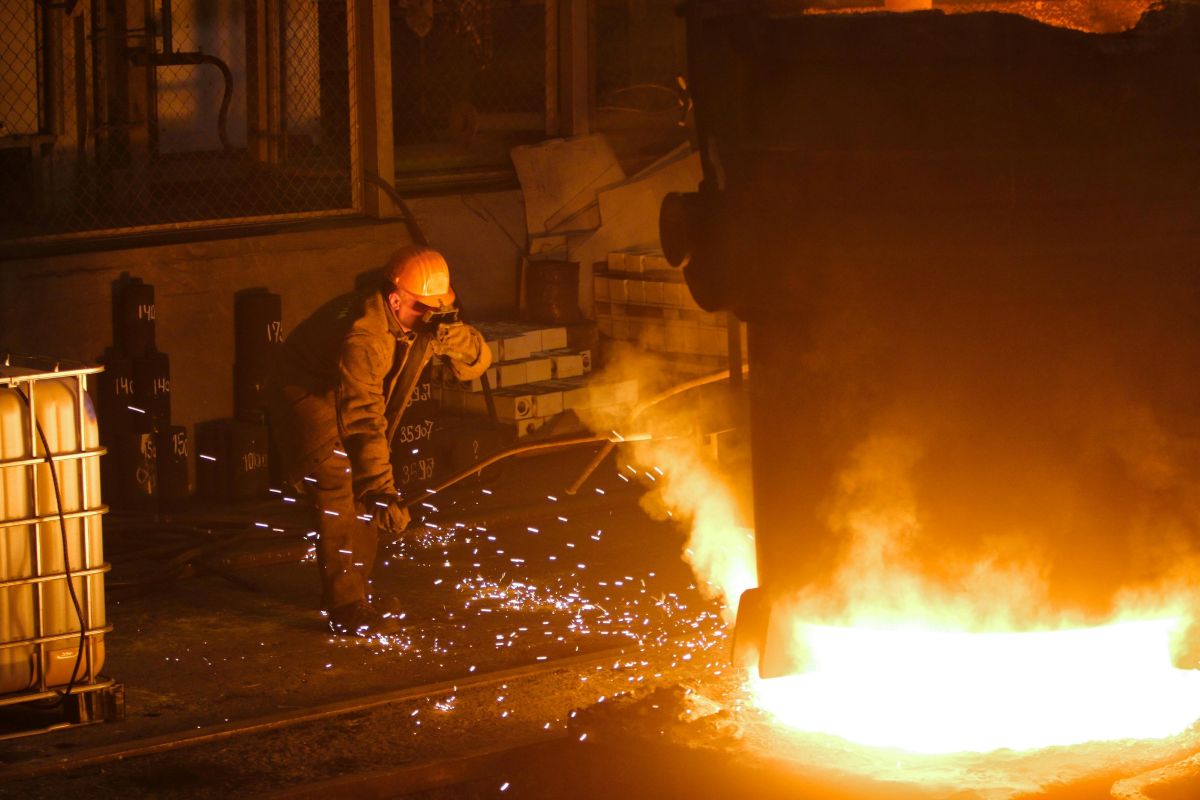
High-emission sectors face reckoning as EU carbon tax takes effect
Business and management
22 Jan 2026
Hidden costs in the supply chain could price some Vietnamese exporters out of Europe.
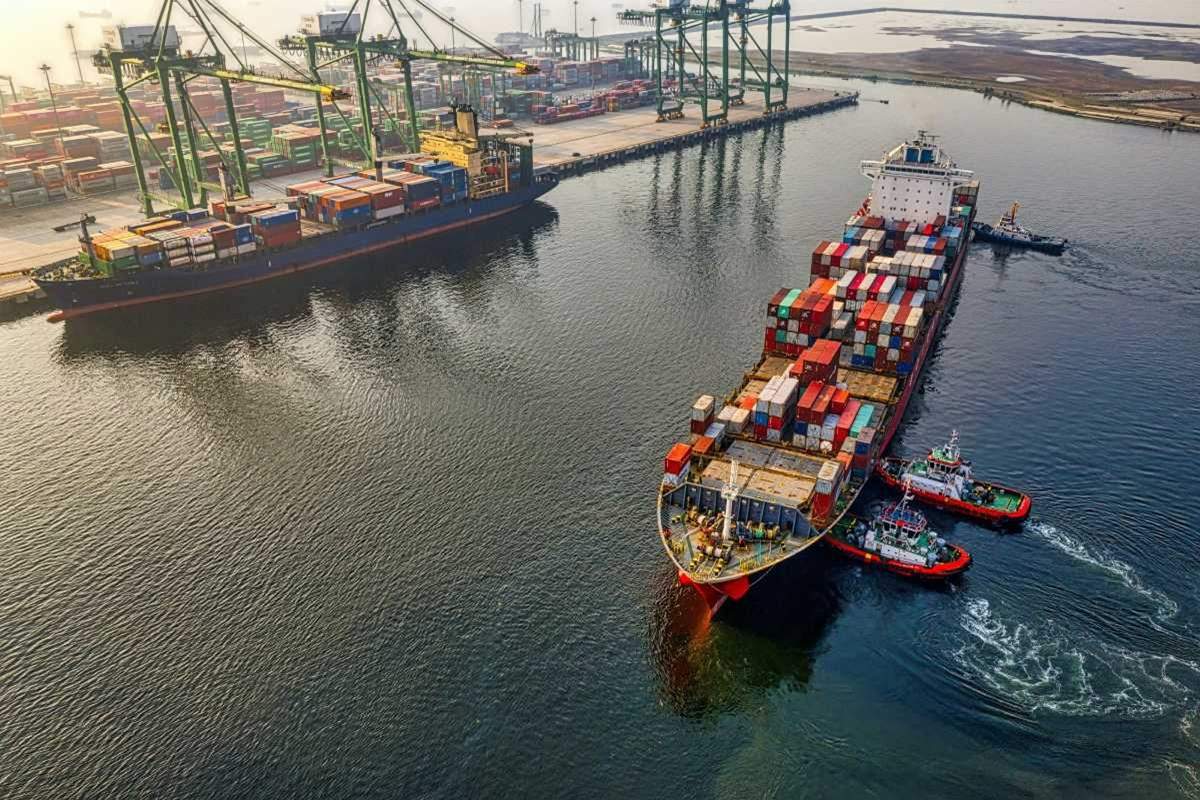
Building collaborative governance for green maritime logistics
Business and management
16 Dec 2025
Vietnam’s ports face rising pressure to cut emissions. New research from RMIT reveals the risks, gaps, and cooperation needed for a credible, sustainable transition.

How to deal with the surge in counterfeit essential goods?
Business and management
10 Jul 2025
Logistics and supply chain management experts share practical advice for businesses and consumers to combat the rise in counterfeit goods – an issue that continues to stir public concern.