
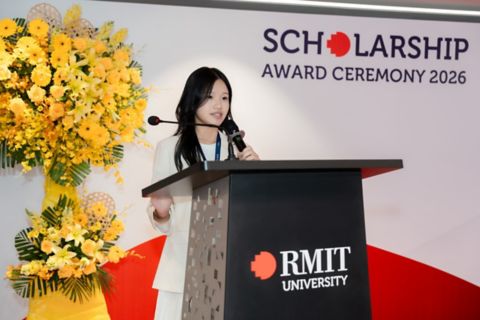
A future in business, inspired by creative industries
23 Oct 2026
From leading media and music clubs in high school to studying business at RMIT, scholarship winner Nguyen Khanh Vi hopes to help creative ventures build sustainable futures.
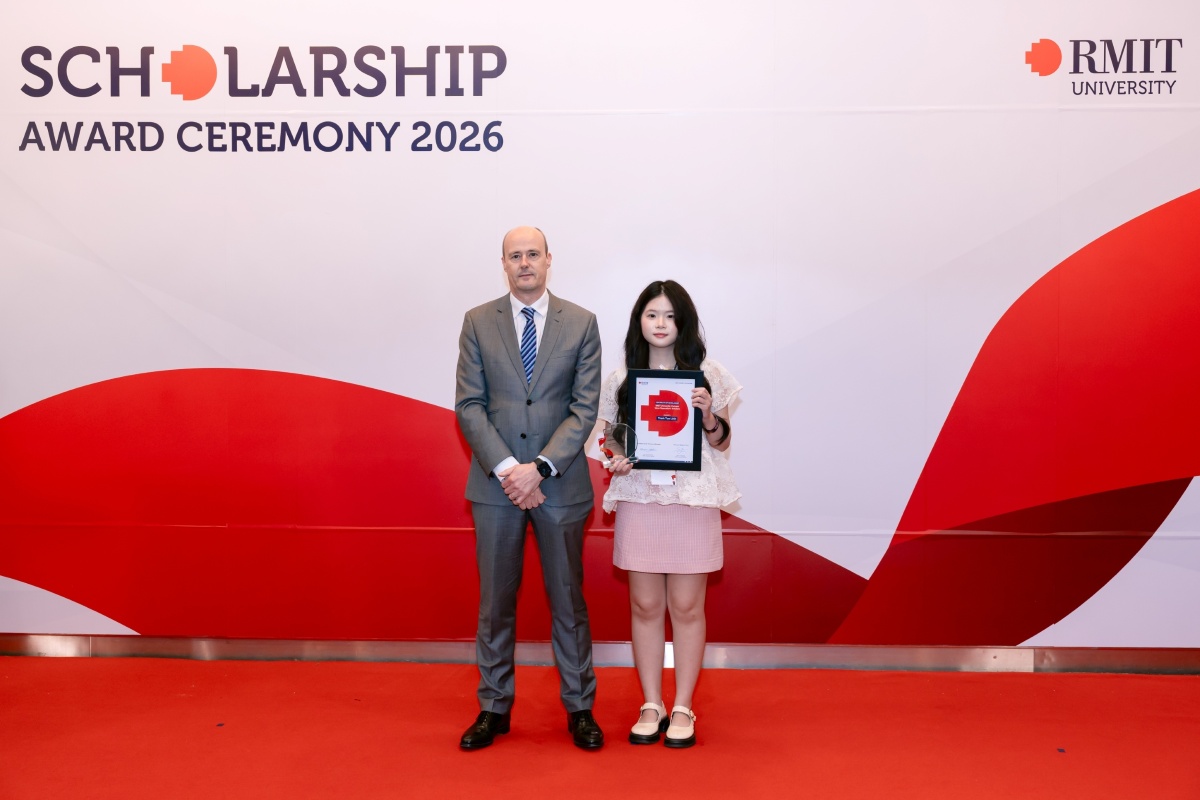
From school meal fund to bigger ambitions in finance
22 Oct 2026
For many students, finance is associated with markets, investments, and business performance. For RMIT scholarship winner Trinh Tue Linh, it is a way of thinking about social problems.
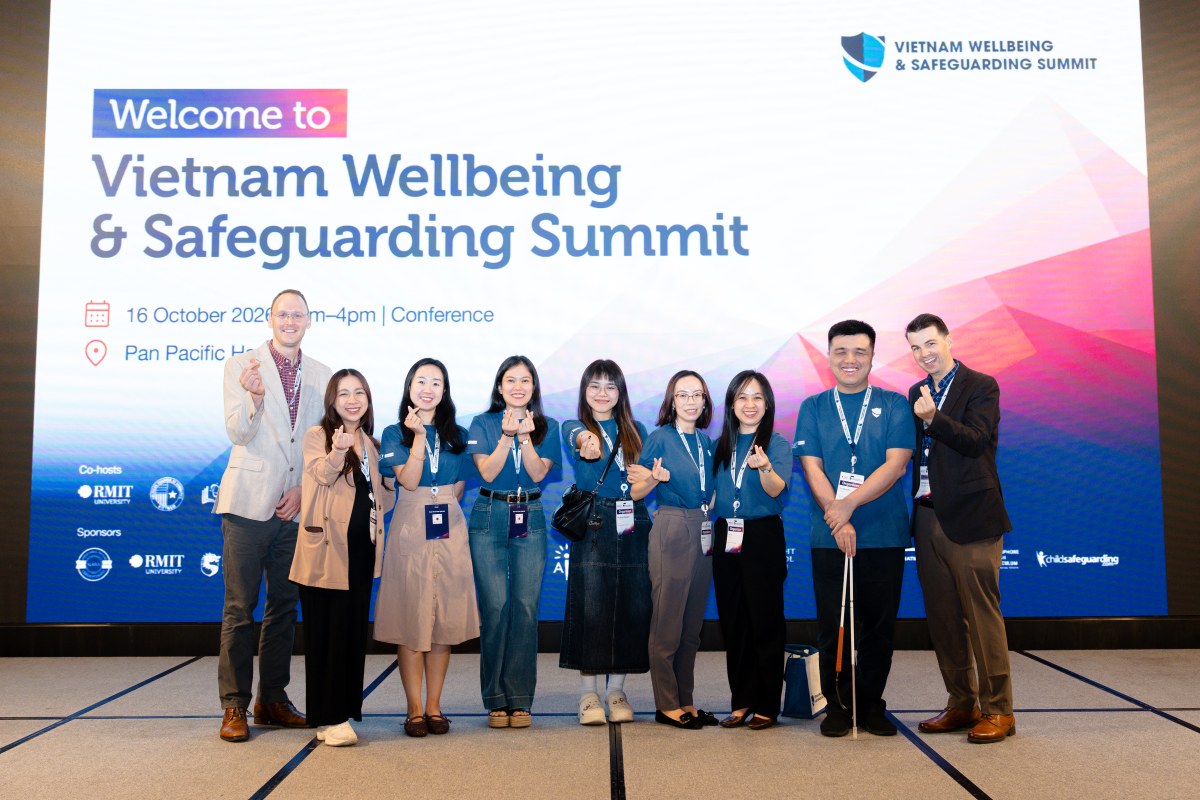
RMIT and partners unite global expertise for wellbeing and safeguarding
21 Oct 2026
More than 550 experts gathered in Ho Chi Minh City and Hanoi to exchange practical approaches to supporting the wellbeing, safety and inclusion of children and young people.
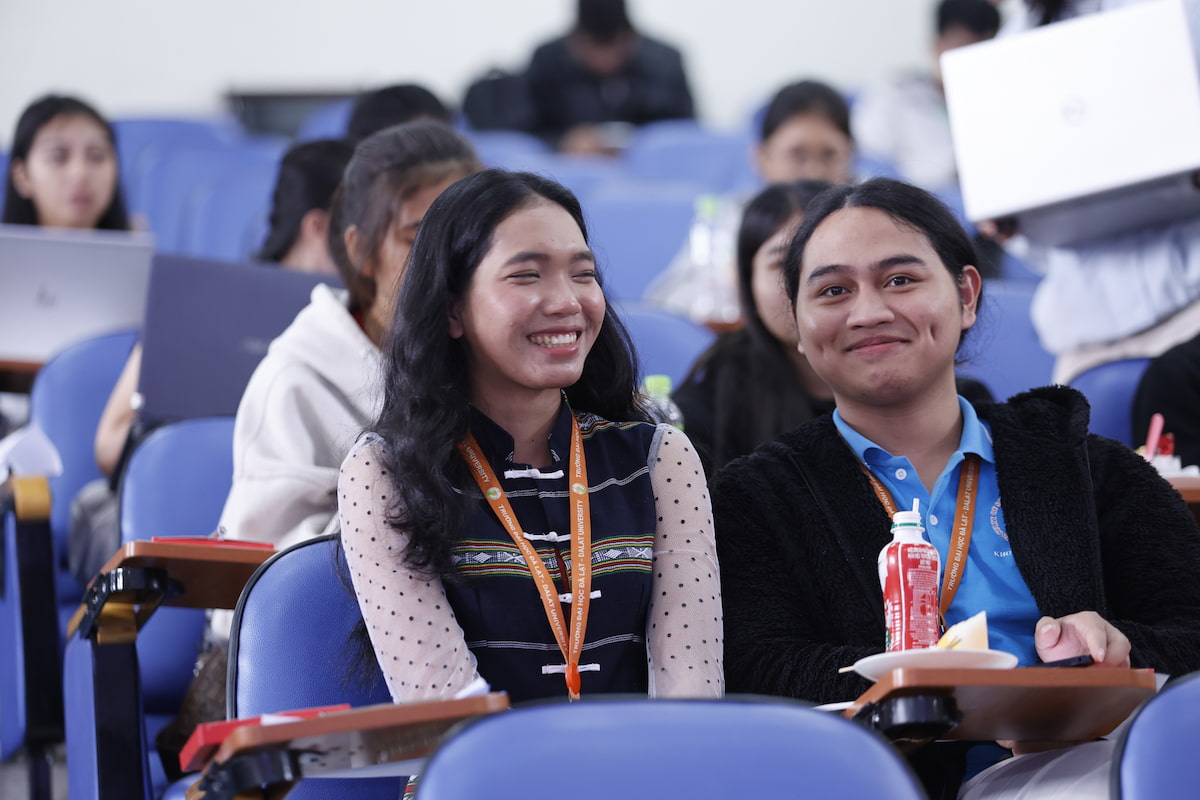
MOET and RMIT Vietnam launch AI skills program for ethnic minority students
19 Oct 2026
Vietnam’s Ministry of Education and Training (MOET) and RMIT Vietnam launched an AI skills development program for more than 5,400 ethnic minority students across eight higher education institutions.