Sustainability Impact Challenge 2026 nurtures a sustainable future

Sustainability Impact Challenge 2026 nurtures a sustainable future

On 12 September 2026, RMIT hosted the Demo Day of the Sustainability Impact Challenge 2026, marking a significant milestone in the journey to nurture a new generation of young sustainability changemakers in Vietnam.

Sustainability Impact Challenge (SIC) is a key initiative of the sustainability alliance network launched by RMIT University Vietnam in 2024 in partnership with the University of Social Sciences and Humanities – Vietnam National University, Ho Chi Minh City (USSH), the University of International Studies – Vietnam National University, Ho Chi Minh City (IU), and Vietnamese-German University (VGU).

The program combines learning with real-world sustainability challenges, giving students opportunities to learn, conduct research and develop solutions through three pathways: Innovation, Strategy and Research. Through these pathways, SIC aims to equip young people with sustainability mindsets and capabilities, enabling them to adapt, take action, and create sustainable impacts for the future.

This year's program attracted nearly 200 registrations from students across 15 universities nationwide, demonstrating strong interest among young people in sustainability and their eagerness to learn and contribute to positive change.

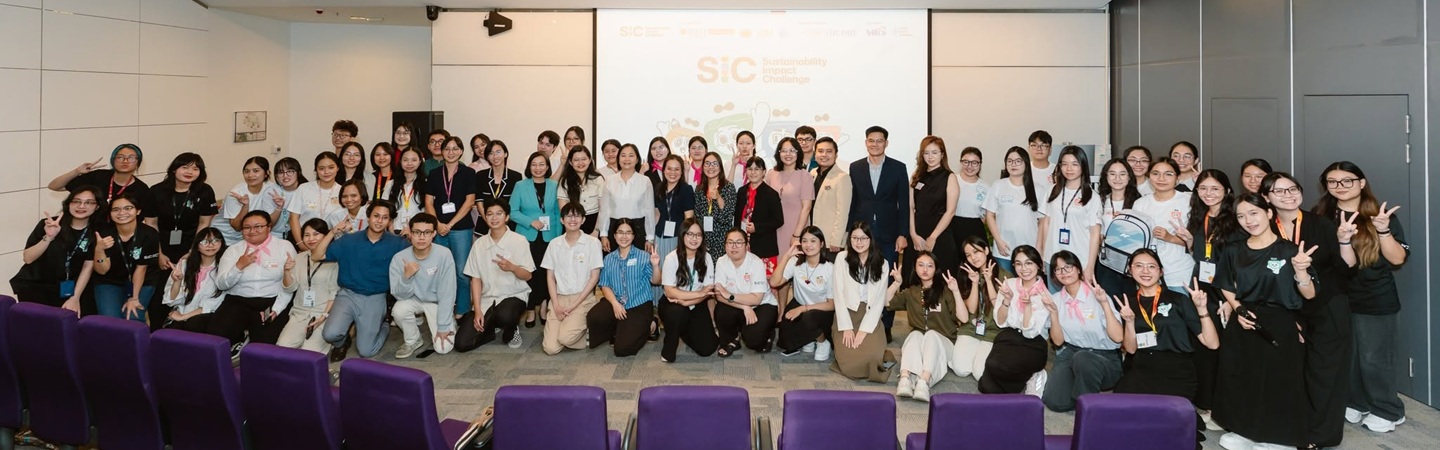
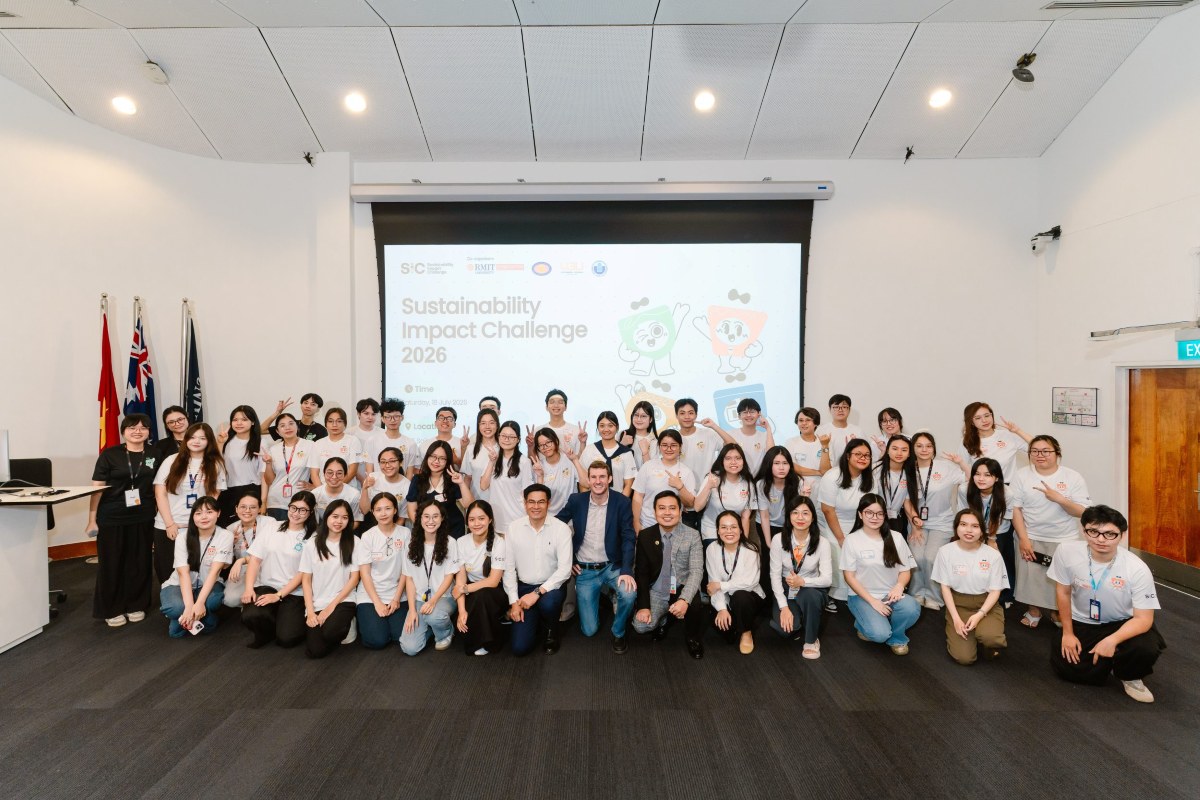
Group photoStudents with SIC 2026 organisers at the Welcome Day. (Photo: RMIT)

An education ecosystem for future-ready sustainability capabilities

Vietnam is entering a period of profound transformation. Climate change, technology advancement and sustainable development are creating new demands for the younger generation. Recognising these changes, the Sustainability Department at RMIT University Vietnam launched SIC to strengthen the role of young people in advancing sustainable development. Going beyond the question “What ideas can students create?”, SIC pursues a longer-term question: “What capabilities do young people need to develop so they can continue creating impact in the future?”

SIC 2026 was built on a learning-by-doing approach, with a six-topic learning journey delivered over four weeks. Students began by building a foundation in sustainability concepts and mindsets, before progressively applying their knowledge to explore challenges, develop solutions and refine their projects. Alongside academic content, students also developed practical project skills, including research, project management, teamwork, critical thinking and communication.

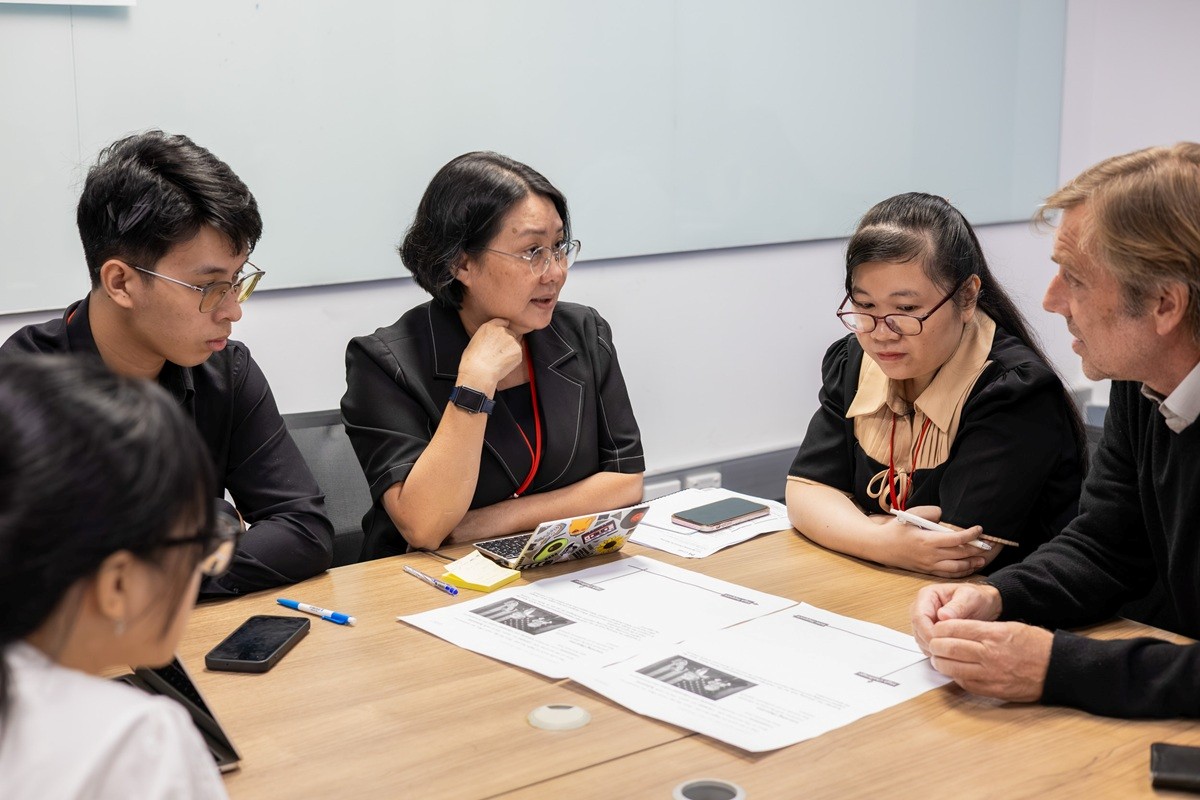
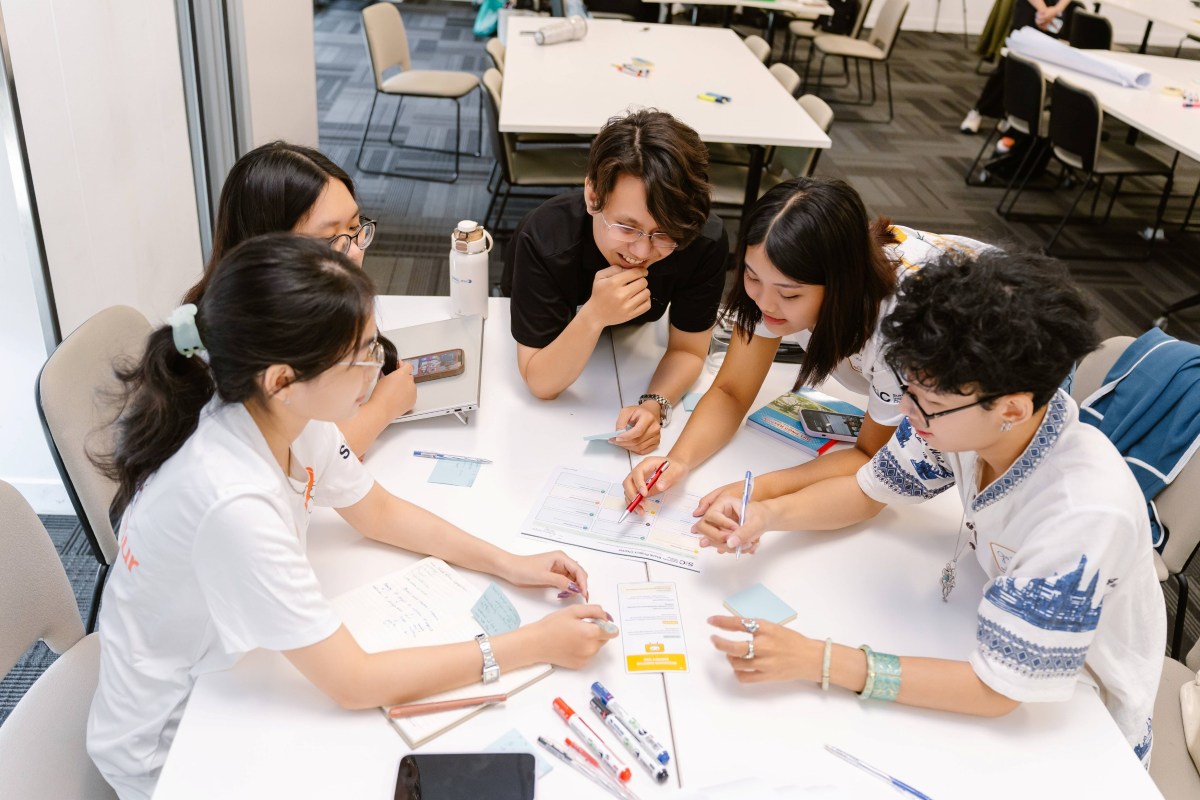
Five students around a table engaging in group workStudents engaged in learning activities and group work ahead of Demo Day. (Photo: RMIT)

A multi-track approach to advancing innovative, sustainable thinking

SIC stands out for encouraging students to view challenges through multiple lenses rather than seek a single solution. At SIC 2026, teams could choose from three pathways: Innovation, Strategy and Research. Each pathway introduced students to different approaches and methods of exploration, enabling them to ask different questions about the same challenge and identify solutions that are appropriate to their context.

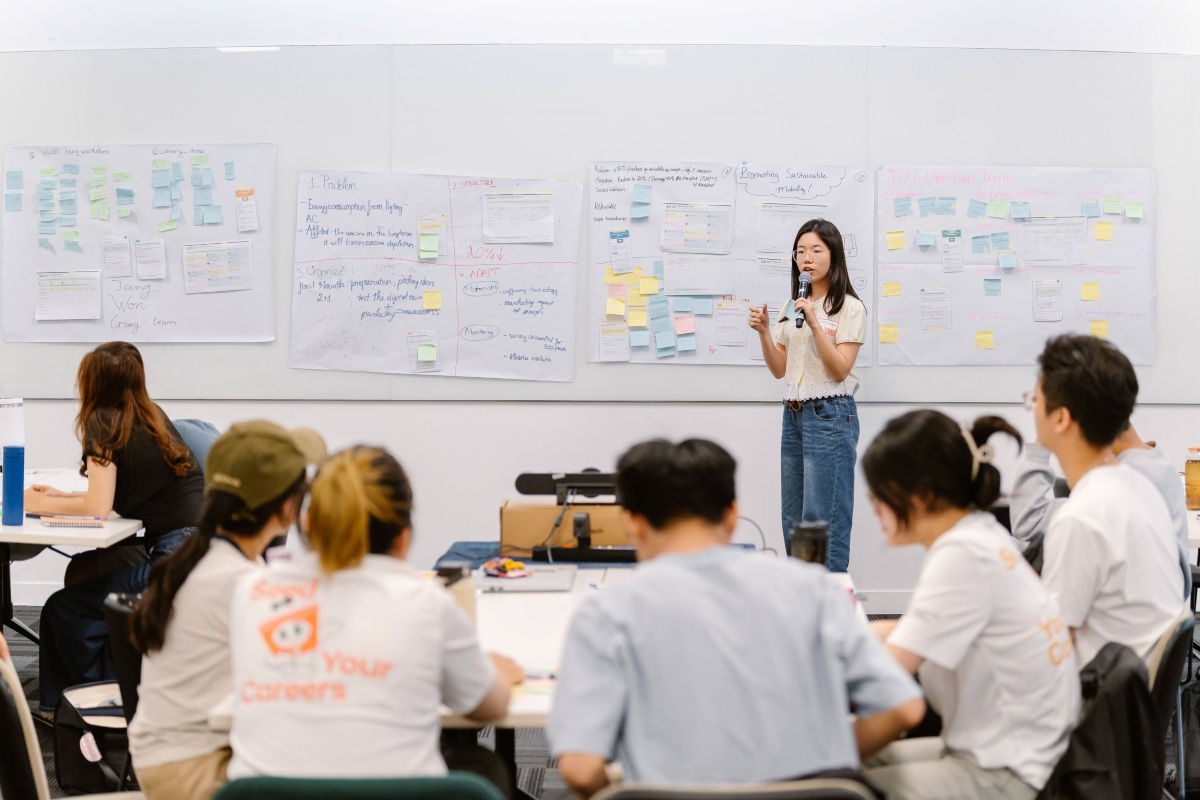
A student presenting in front of a classroomStudents practised their presentation skills and shared ideas in a workshop. (Photo: RMIT)

Joining SIC 2026 as Key Industry Partners, AEON Viet Nam and Lac Dia Cooperative brought real-world issues connected to sustainable development challenges. The challenges they posed to the contestants focused on sustainable shopping and consumption, as well as exploring the story of water hyacinth utilisation in the Mekong Delta to develop livelihoods for local communities.

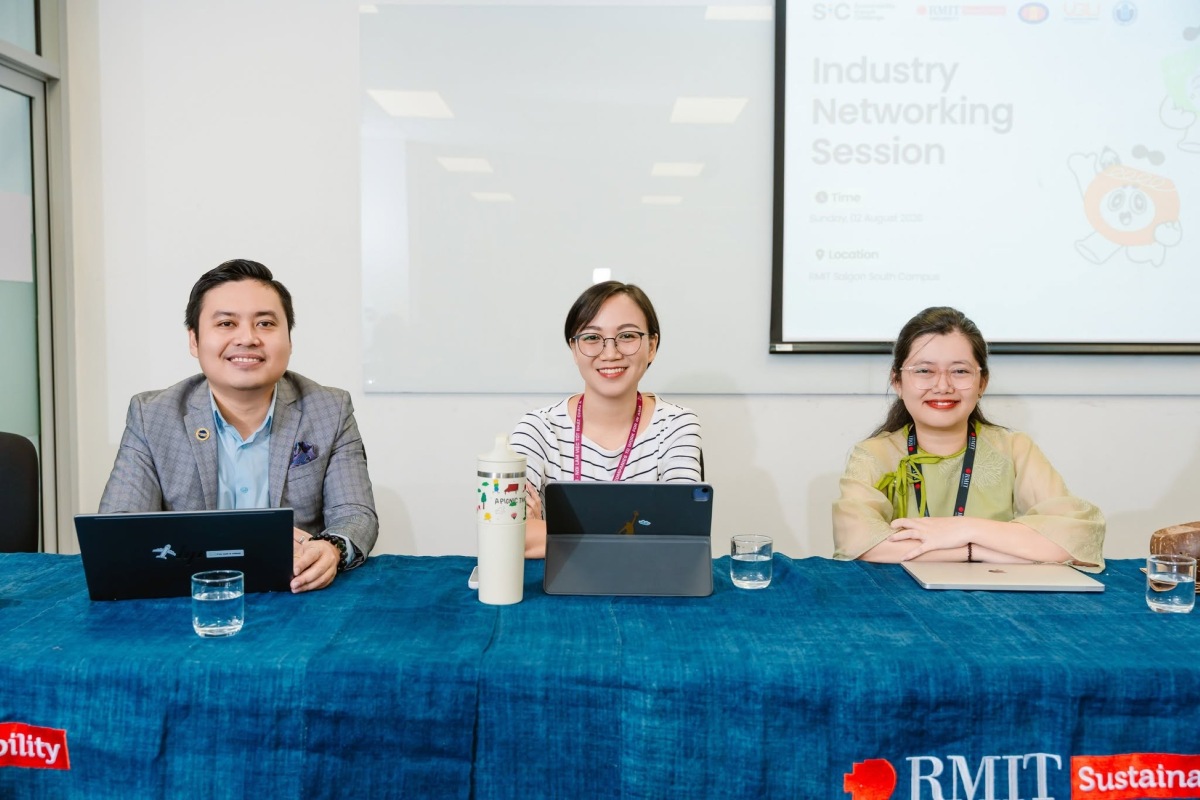
Three people sitting at a long tableIndustry partners introduced the challenges and discussed the real-world contexts with students. (Photo: RMIT)

The SIC learning experience was further enriched through panel discussions and exchanges with experts from government agencies and local and international businesses.

Lecturers from RMIT and the partner universities played an important role in guiding students throughout their learning journey. In addition, Biti’s and HSF, as the sponsoring partners this year, made valuable contributions to SIC, helping create an environment for learning, connection and real-world experiences for the young changemakers. 

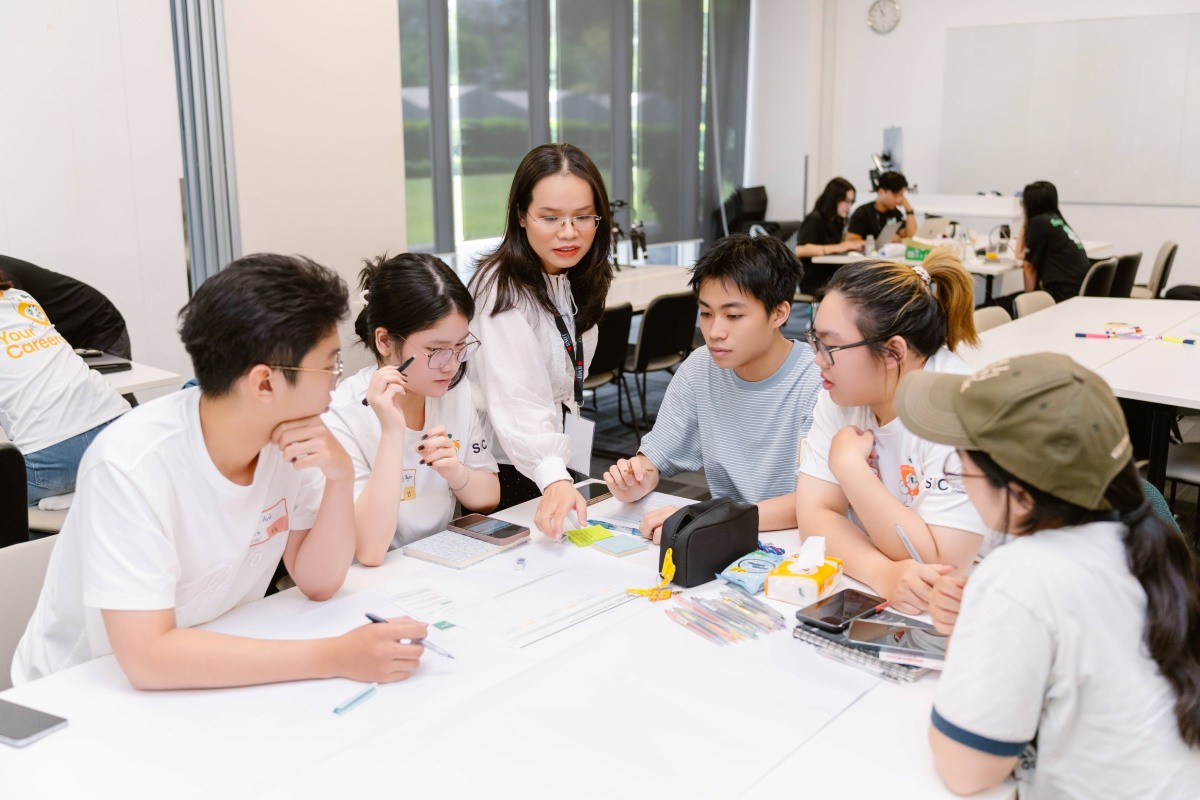
Five student sitting around a table with a lecturer standingStudents discussed their ideas with lecturers during the project development. (Photo: RMIT)

Demo Day – the next step in a journey of creating community impact

After two months of learning, research, and development, 10 finalist teams showcased solutions to the sustainable development challenges they had selected and pursued throughout their SIC 2026 journey at Demo Day.

Demo Day did not follow a traditional on-stage presentation format. Instead, each team directly pitched to the judging panel at their showcase area. The students presented their ideas, responded to questions, and defended their solutions before experts, businesses, and representatives from the sustainable development ecosystem. This simulated the experience of pitching and advocating for projects that they may encounter on their journey to becoming future founders.

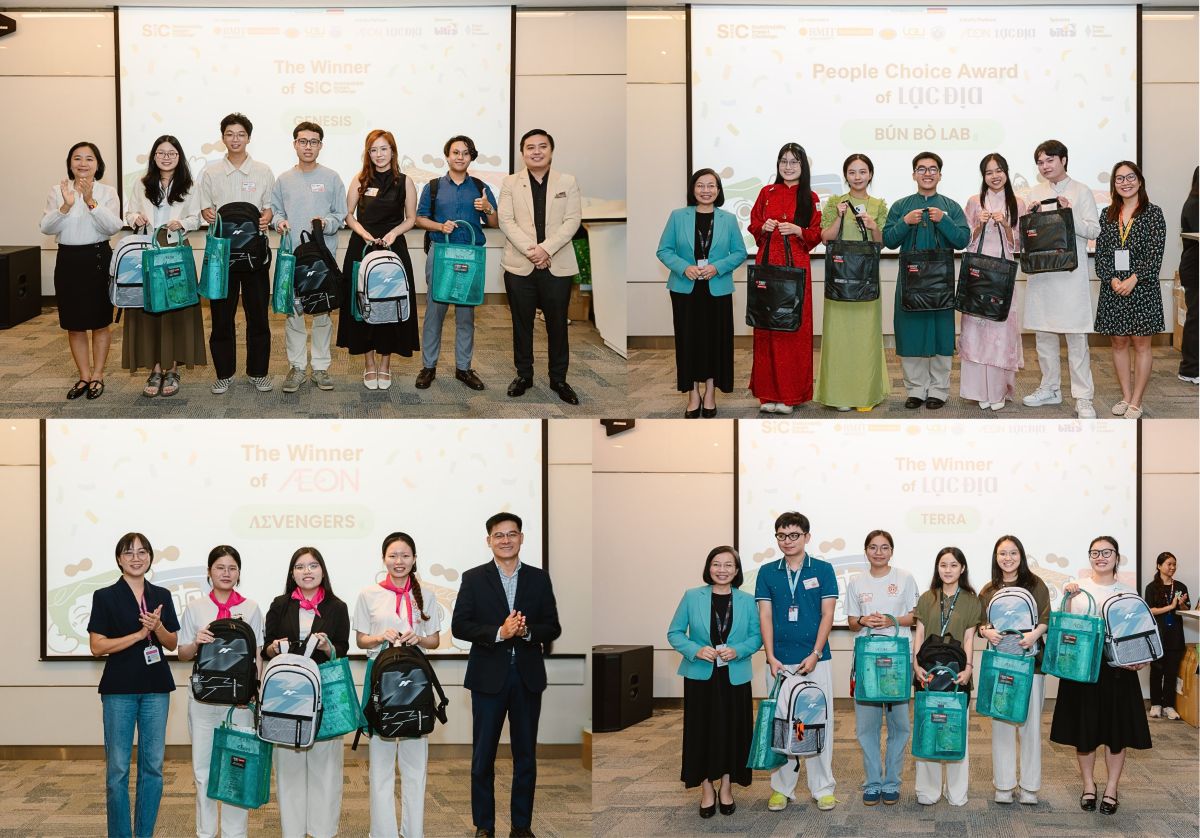
Demo Day concluded with the top prizes awarded to four teams corresponding to four cases – Genesis (SIC academic case), Avengers (AEON Vietnam case), Terra (Lac Dia Cooperative case) and Bun Bo Lab (People’s Choice Award). The winning teams were recognised with VND5 million in cash, gifts from sponsors, and the opportunity to further develop and implement their proposed solutions in real-world business environments.

Collage of four group photos of winning teams on stageThe four winning teams at the Demo Day, showcasing outstanding student-led solutions. (Photo: RMIT)

Speaking on behalf of the SIC organisers, Ms Trinh Thi Anh Phuong, Sustainability Manager at RMIT University Vietnam, shared:

“What surprised me most after the SIC journey was seeing how much the teams had changed. At the beginning, they often focused on finding one really good idea. But after learning, researching, and working with mentors, they began asking more questions, looking at challenges from different perspectives, and becoming more confident in defending their approaches. To me, that is the greatest value of education – not only giving young people more knowledge, but also the confidence and capabilities to continue learning and move forward when facing new challenges.”

Story: Giang Huynh

Related news