Teacher Talks 2026 shares new pathways for learning through English

Teacher Talks 2026 shares new pathways for learning through English

With a new English-medium instruction stream and a broader mix of speakers than ever before, RMIT’s Teacher Talks 2026 explored how teaching and learning through English is evolving in Vietnam.
RMIT Vietnam's annual Teacher Talks conference series returned this year with its most diverse program yet, bringing together educators from schools, universities and language centres across the country to share practical insights.

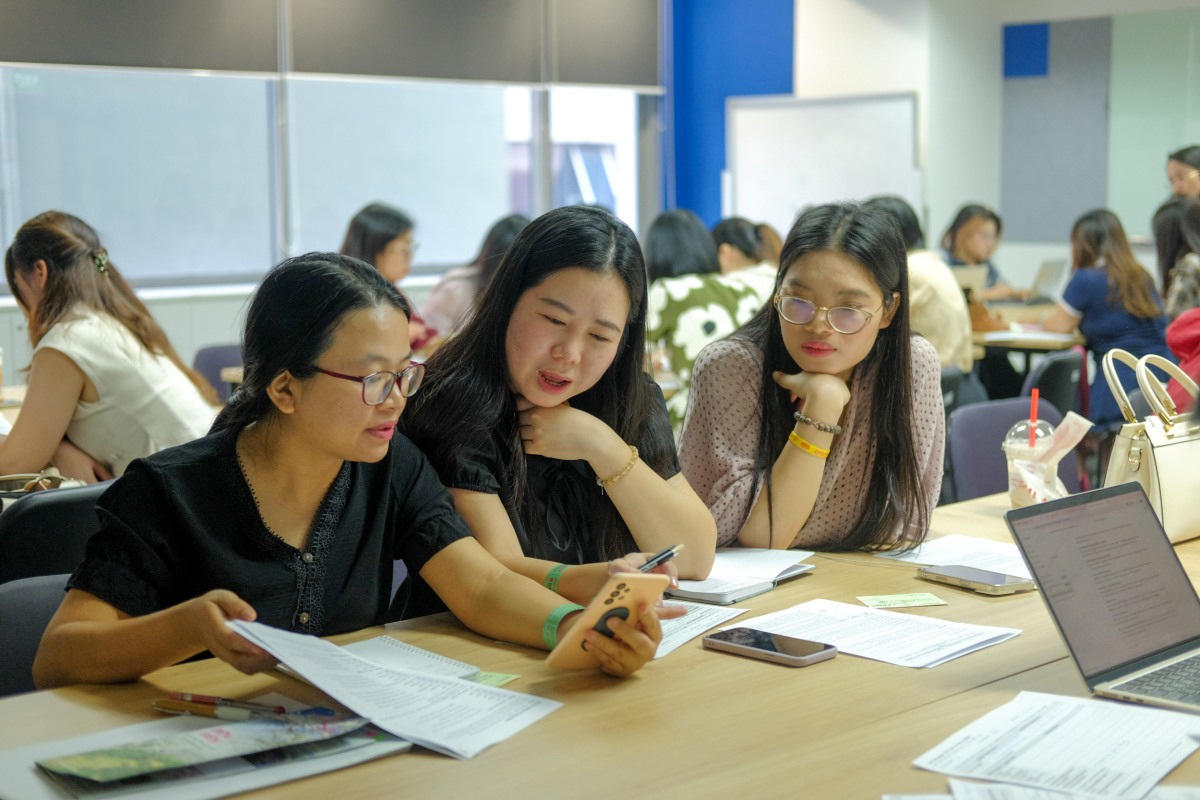
A seminarTeacher Talks 2026 attracted record numbers of participants across Da Nang (pictured), Ho Chi Minh City, and Hanoi. (Photo: RMIT)

Organised by RMIT’s School of English & University Pathways (SEUP), Teacher Talks 2026 introduced a dedicated English-medium instruction (EMI) stream alongside its established English language teaching (ELT) program. This shift reflects broader changes across Vietnam's education sector as schools and universities are exploring the use of the English language to teach academic subjects.

Held in Da Nang, Ho Chi Minh City and Hanoi, the series attracted a record 410 participants, reflecting growing interest in professional learning around English language teaching and English-medium instruction.

The program also featured a significantly broader mix of speakers than previous years, including over 30 academics, researchers, teacher trainers, school leaders, and government representatives.

Opening the Ho Chi Minh City event, Mr Hossein Davari, SEUP Director, reflected on the evolving role of English in Vietnam's education system and the value of events like Teacher Talks in bringing together educators to share perspectives and practice.

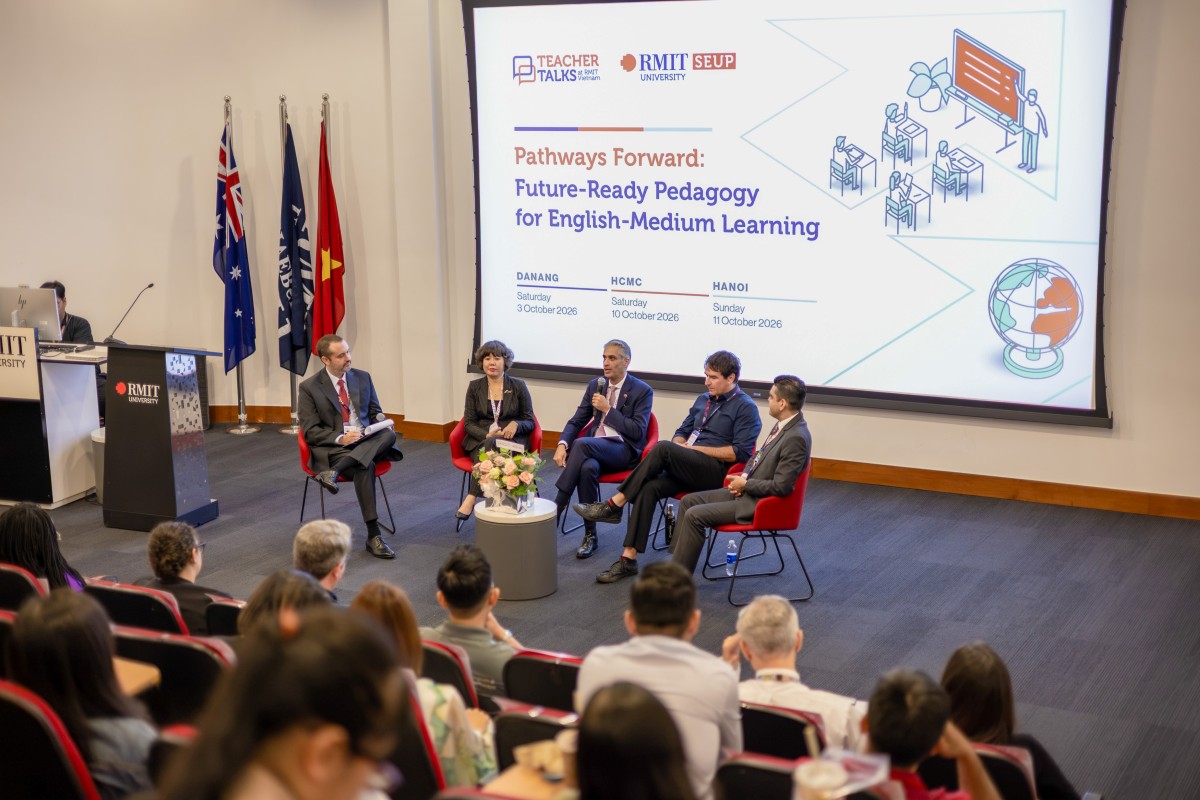
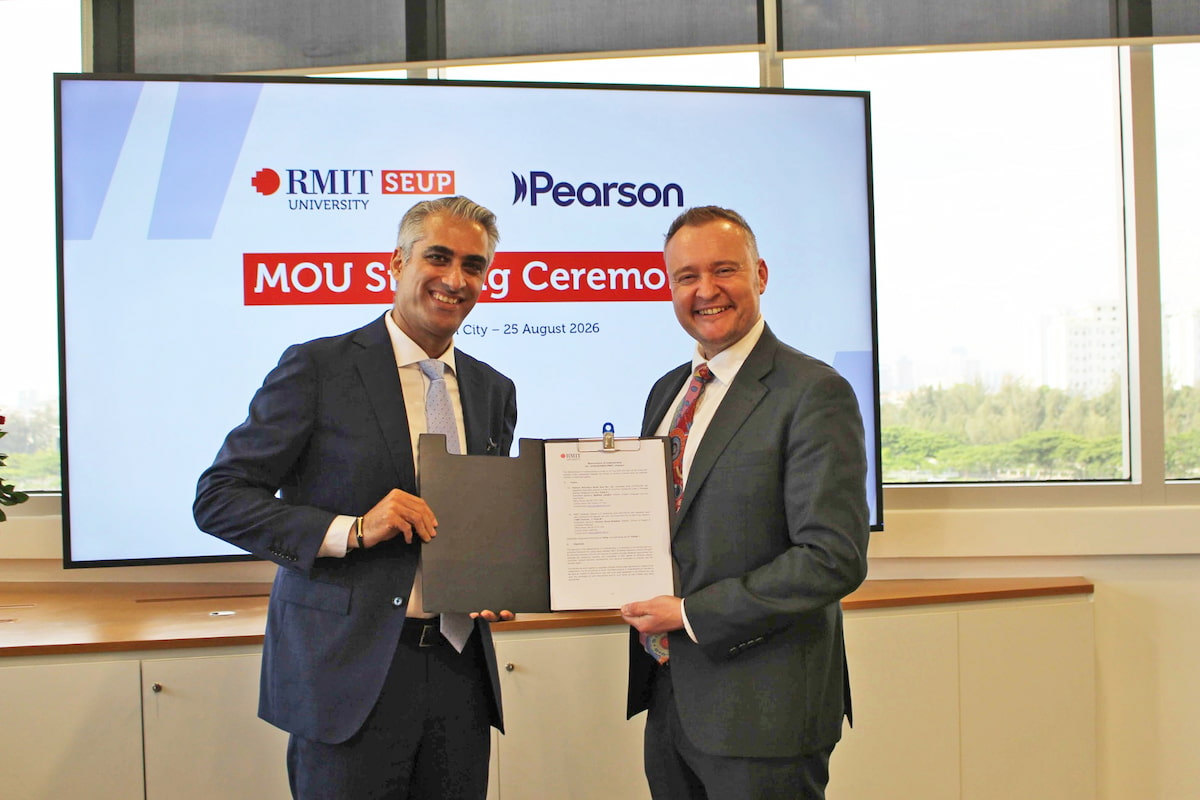
A panel discussionMr Hossein Davari (centre) and Dr Nguyen Thi Mai Huu (second from left) with fellow panellists at Teacher Talks in Ho Chi Minh City. (Photo: RMIT)

“Since the first Teacher Talks in 2018, the challenges facing our sector have changed, new opportunities have emerged, and the role of English in Vietnam’s education system continues to evolve. But the value of bringing people together has remained constant,” he said.

“No single part of the sector has all the answers. The future of English language education, and increasingly English-medium learning, will be shaped through dialogue between policy and practice, between research and experience, and between education and the wider communities and industries we prepare our students to enter.”

Speaking on the Vietnamese government’s project to make English the second language in schools, Dr Nguyen Thi Mai Huu from the Ministry of Education and Training noted that helping students learn through English requires a holistic approach.

“Effective English-medium learning depends on much more than language proficiency. It requires strong pedagogy, ongoing teacher development, appropriate learning resources and assessment practices that support student growth,” she said.

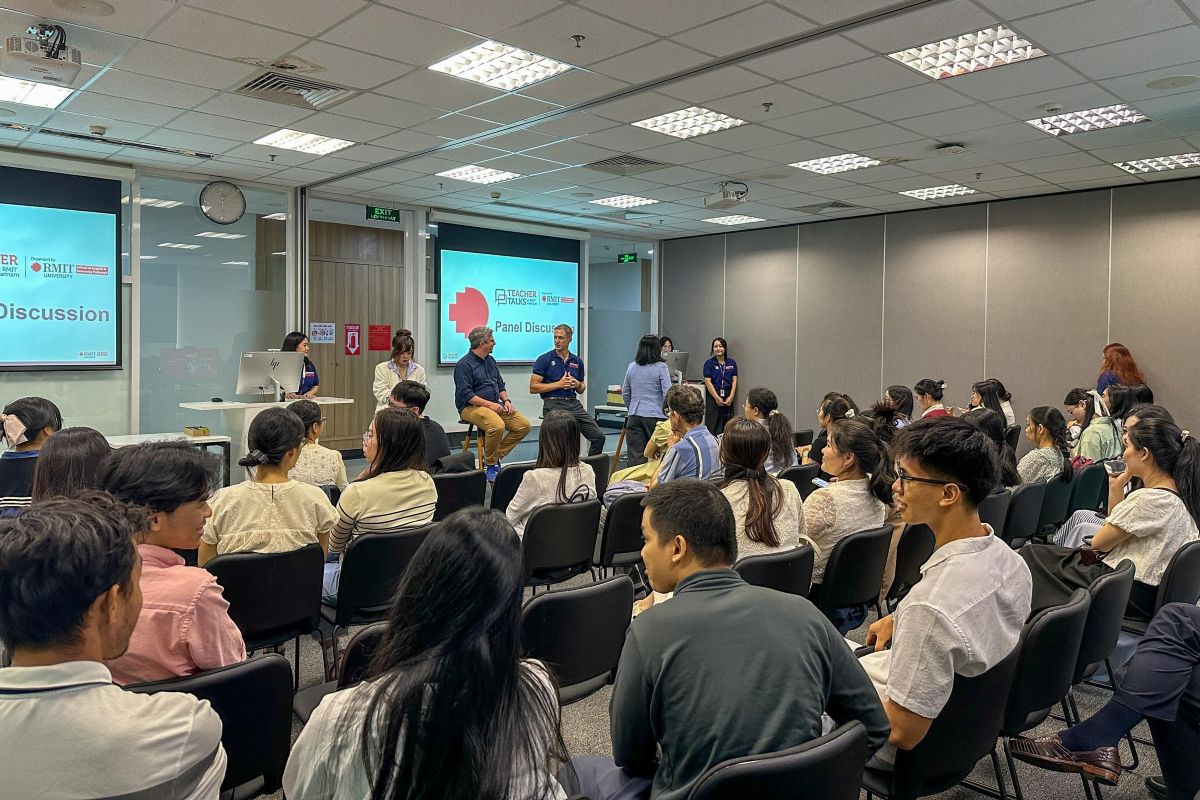
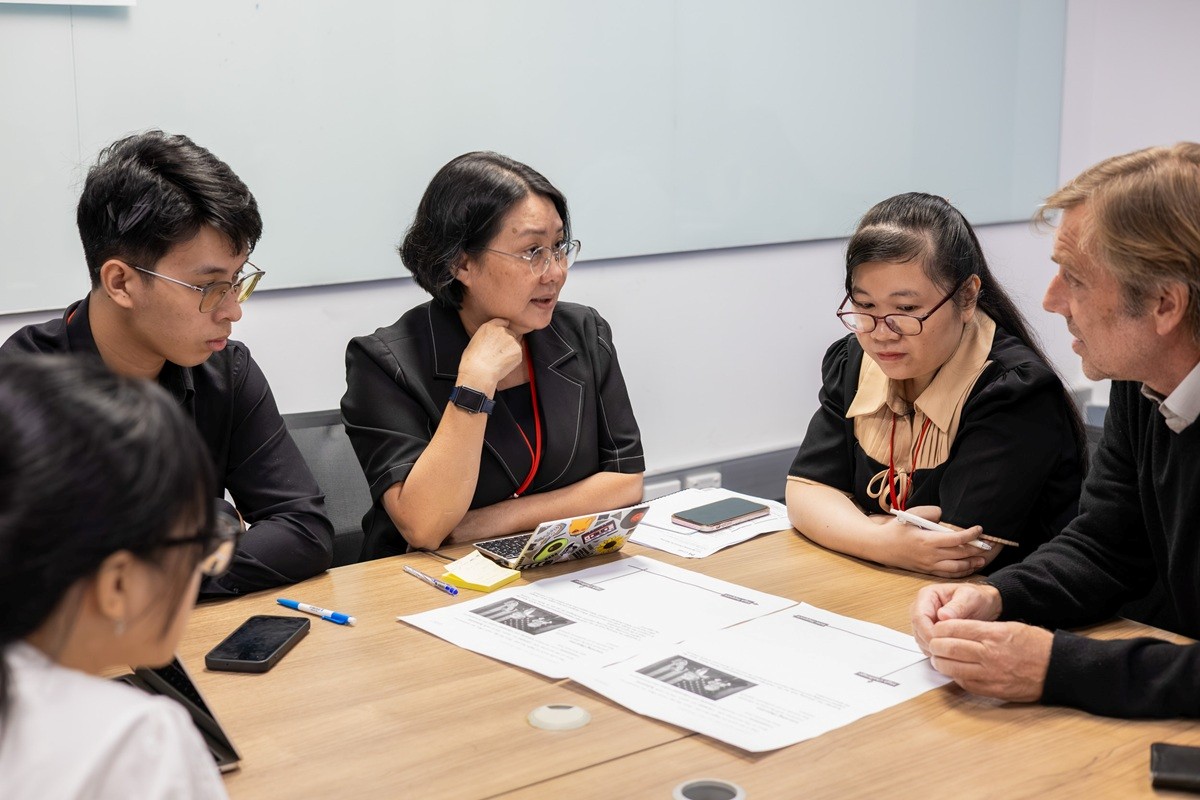
Three people discussingParticipants joined a group discussion during a workshop in Hanoi. (Photo: RMIT)

Several sessions at Teacher Talks 2026 explored practical approaches to helping students engage more effectively with academic content in English while maintaining rigorous learning outcomes.

In his session on AI for English-medium instruction, Dr Dieter Bruhn, President and Vietnam Country Director of One World Training, demonstrated how AI can help teachers adapt complex materials for learners with different language proficiency levels while preserving essential concepts and cognitive demand. Participants were encouraged to critically evaluate and revise AI-generated outputs and use technology to support, rather than replace, professional judgement.

Another key question raised during the event was whether English-medium learning must mean English-only classrooms. Drawing on research from Vietnamese university classrooms, Dr Duong Thi Hoang Oanh – Senior Lecturer in Translating and Interpreting from RMIT Vietnam’s Bachelor of International Studies program – showed that bilingual students think across languages and move strategically between Vietnamese and English to process complex concepts, collaborate and solve problems before demonstrating understanding in English. Her session offered English teachers a way to judge what Vietnamese is doing for learning and make deliberate decisions about it.

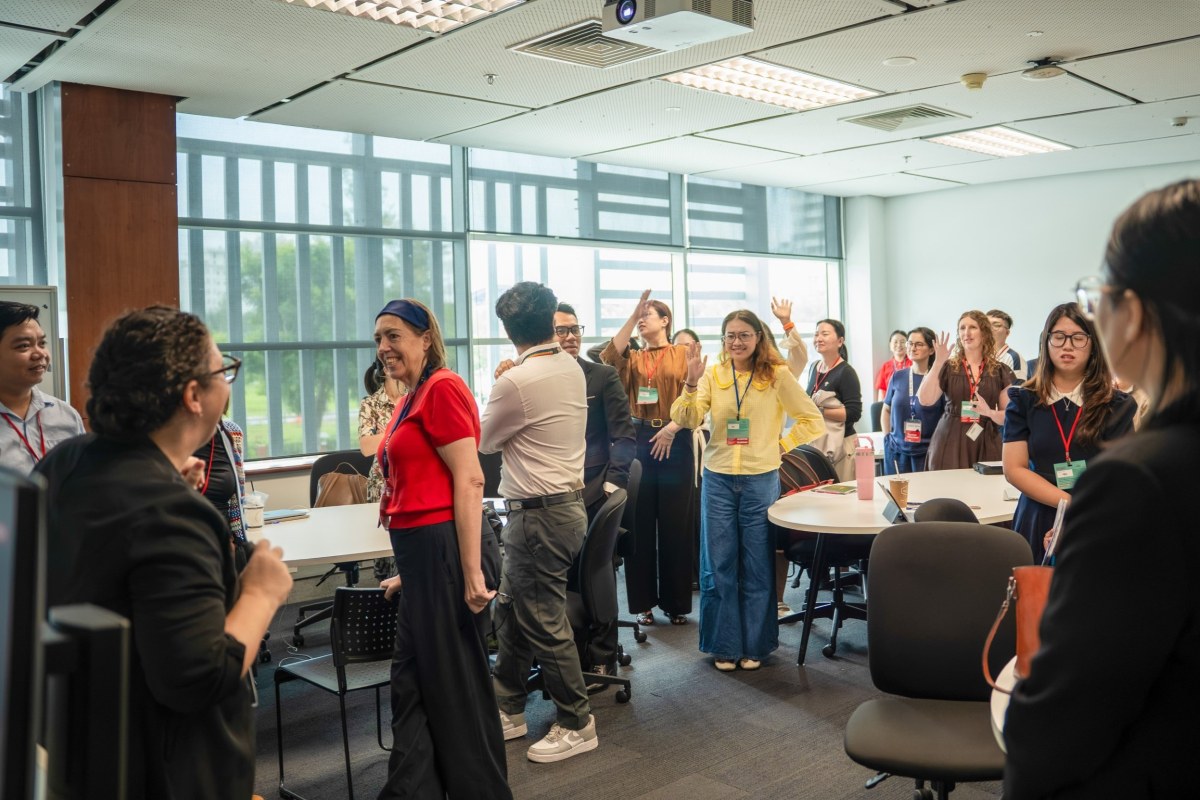
People standing up and interactingAn interactive workshop facilitated by Ms May Barbree in Ho Chi Minh City. (Photo: RMIT)

Ms Phung Thi Mai Huong, a Foundation Studies teacher at RMIT, also explored the tension between classroom reality and English-only expectations in English-medium education. Her workshop encouraged teachers to make deliberate and purposeful decisions about language use in English-medium classrooms. Drawing on a practice-based, evolving framework called Bridge-Build-Return, she explored how teachers can help students access new concepts, build understanding through discussion and ultimately demonstrate learning in English.

Reflecting on the broader discussions throughout the conference, Ms May Barbree, Academic Manager, Learning & Teaching at SEUP, said English-medium learning reinforces the importance of strong teaching practice.

“One of the key messages from this year's conference is that English-medium instruction does not make English language teachers less relevant. It makes their pedagogical expertise more important in supporting students, subject teachers and learning design,” she said.

“In addition, the same teaching approaches that help students engage, collaborate, think critically and demonstrate understanding remain central, regardless of the language being used.”

Story: Ngoc Hoang

Share

Related news