

RMIT launches Bachelor of Computer Science program in Vietnam

RMIT launches Bachelor of Computer Science program in Vietnam

RMIT University Vietnam will officially introduce the Bachelor of Computer Science program from the October 2026 intake.

This timely and strategic initiative adds a missing piece to the University’s technology portfolio while strengthening collaboration with government, industry, and society to address Vietnam’s pressing need for high-quality technology professionals.

To mark the launch, RMIT is offering four scholarships, worth 50% of the tuition fee, to future students of the Bachelor of Computer Science program at the Hanoi and Saigon South campuses.

Computer science: the new backbone of tech talent

In the past, information technology was often associated with application programming or system administration. Today, computer science has become the foundation for emerging fields such as AI, data science, machine learning, computer vision, and natural language processing. These technologies are now embedded across industries, from finance and banking to healthcare, logistics, manufacturing, e-commerce, media, education, and agriculture.

Global reports such as the World Economic Forum Future of Jobs and LinkedIn Jobs on the Rise consistently rank roles like AI specialist, data scientist, big data specialist, and cyber security specialist among the fastest-growing careers of the next decade. Vietnam is part of this trend, with banks, corporations, AI startups, and smart manufacturing firms increasingly seeking talent with a strong computer science foundation.

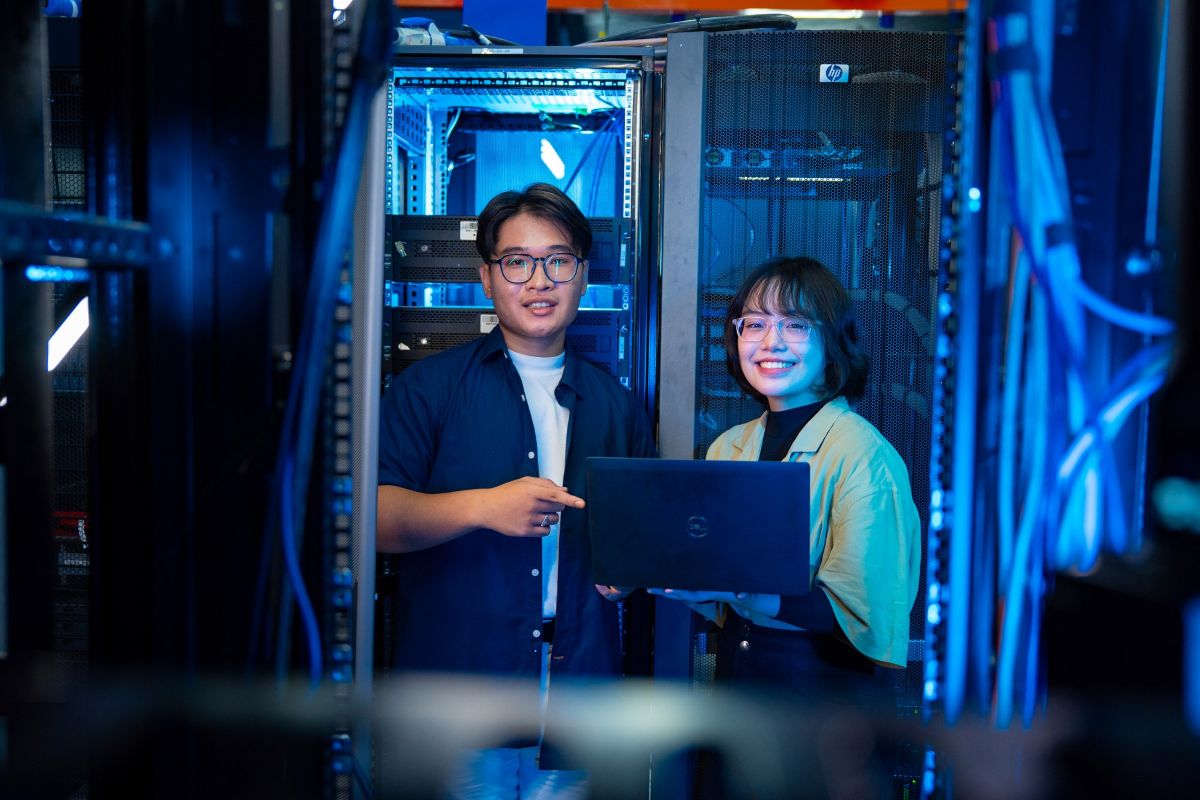
Two students standing in a server roomMore employers are seeking talent with a computer science foundation. (Photo: RMIT)

National strategies highlight computer science as central, with the Prime Minister’s decisions No. 1131/QD-TTg in 2025 and No. 982/QD-TTg in 2026 prioritising investment in AI, cloud computing, blockchain, cyber security, semiconductors, and the development of “Make in Vietnam” digital enterprises with global reach.

Vietnam is emerging as a potential tech hub in Southeast Asia, thanks to its young workforce, competitive costs, and rapid digital economy growth. Global tech giants such as Nvidia, Samsung, Qualcomm, Meta, and Google have chosen Vietnam as a base for research centres, innovation hubs, and new industrial facilities. Meanwhile, domestic “Silicon Valleys” like Hoa Lac Hi-Tech Park (Hanoi), Saigon Hi-Tech Park (Ho Chi Minh City), and Da Nang Hi-Tech Park are positioning Vietnam as a destination for future-oriented technology projects.

To achieve its growth ambitions, Vietnam must quickly strengthen its capacity to train high-quality tech talent, avoiding the risk of being locked into low-value outsourcing rather than advancing to product development and core technology innovation.

How RMIT contributes to tackling the tech talent issue

Against this backdrop, RMIT Vietnam is launching the Bachelor of Computer Science program to help develop “core” talent for the digital economy – graduates who not only code but also deeply understand algorithms, data, and systems, with the ability to design and operate complex technological solutions.

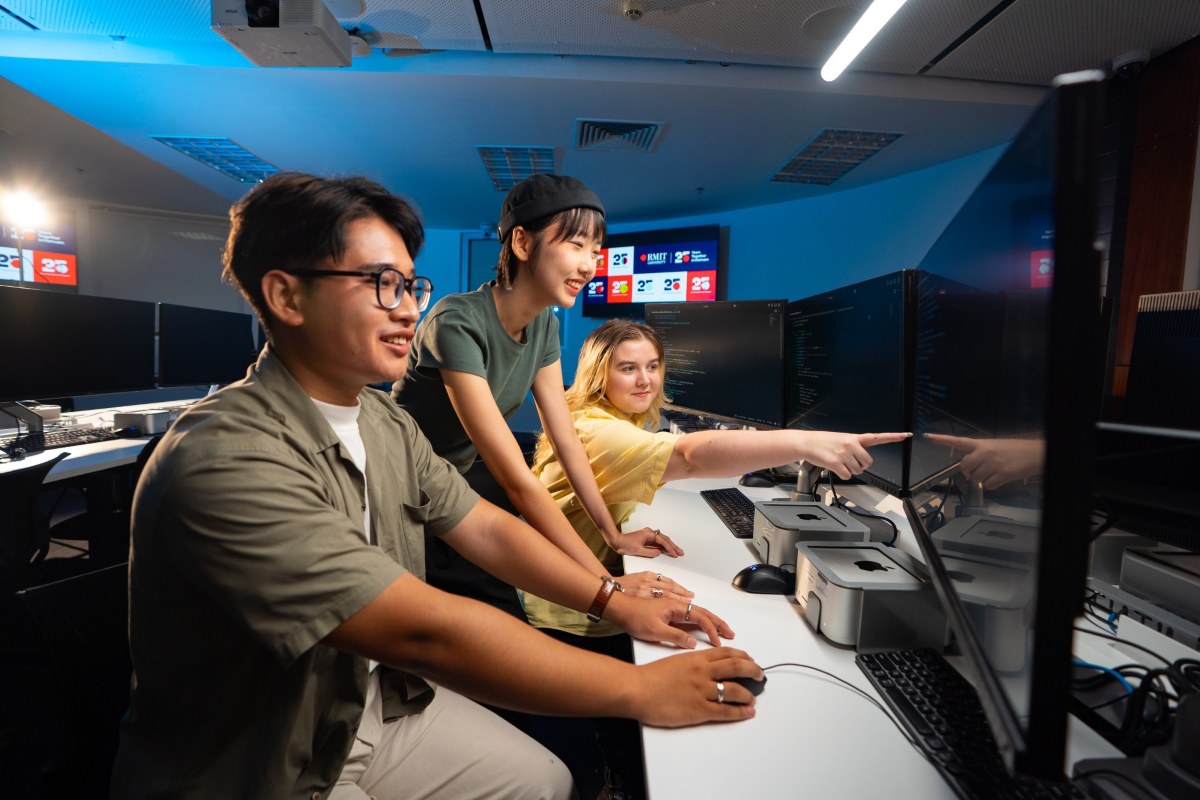
Three students looking at a computer screenRMIT Vietnam aims to nurture talent capable of researching, innovating, and mastering core technologies. (Photo: RMIT)

This carefully considered step aligns with RMIT’s long-term strategy: nurturing a generation capable not only of operating technology but also of researching, innovating, and mastering core technologies.

Professor Iwona Miliszewska, Dean of the School of Science, Engineering & Technology at RMIT Vietnam, shared:

“Computer science itself is not new. RMIT has taught this discipline for many years in Australia. What is truly new is how we, together with RMIT Australia and industry partners, are reshaping the program for the AI era, ensuring students in Vietnam are not only ready to work with emerging technologies but also equipped to lead and shape their future.”

The program completes RMIT’s “trio” of technology education: Computer Science, Software Engineering, and Information Technology, covering foundations, products, and operations. With over 60 years of experience in Australia and more than 20 years of delivering technology programs in Vietnam, RMIT aims to provide students with a solid platform to contribute to technology strategies both nationally and globally.

Training problem-solvers, not just coders

The program is positioned at both foundational and advanced levels, focusing on scientific thinking, algorithmic design, and complex system architecture. These are the core competencies needed to advance technologies such as AI, machine learning, and cloud computing. These are skills which Vietnam currently lacks but are critical for deeper participation in high-value segments of the global tech value chain.

Students will study core subjects such as algorithms and data structures, computer architecture and operating systems, and computer networks, alongside specialised courses in AI, machine learning, data mining, intelligent systems, cloud computing, and information security. The entire program is delivered in English, preparing students for multinational work environments.

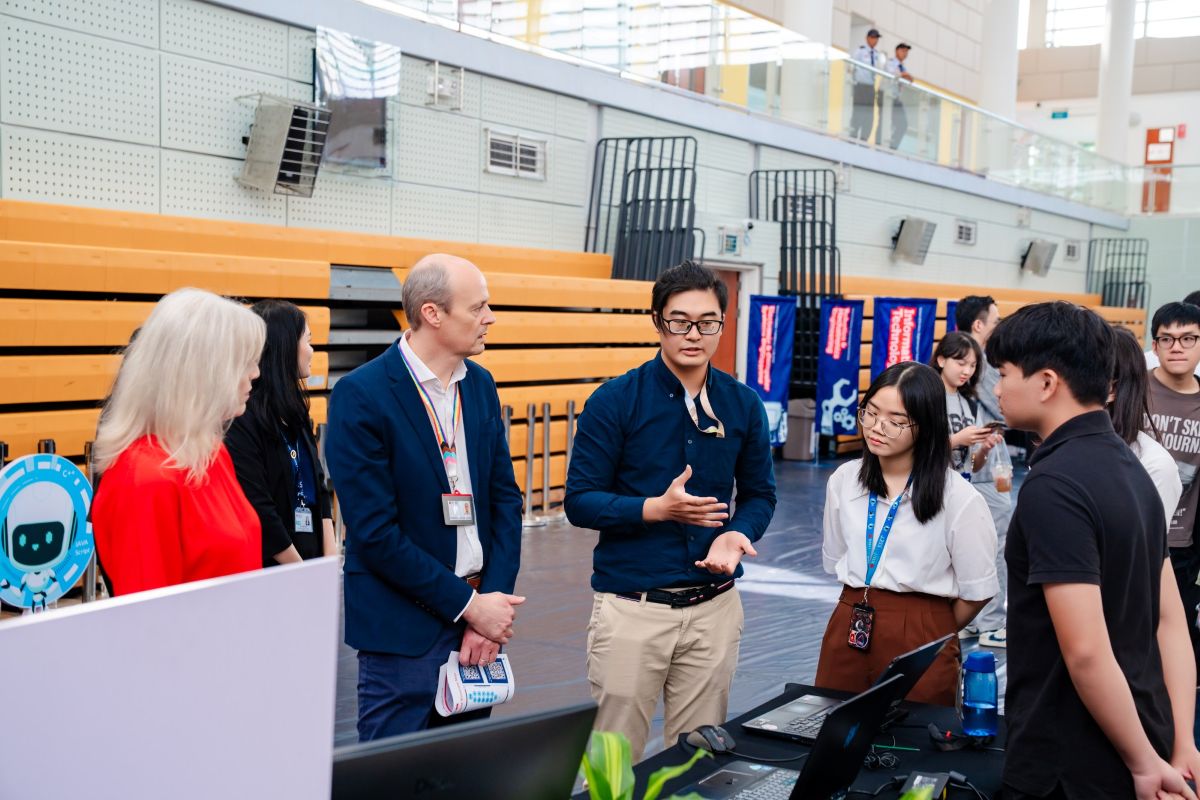
Students presenting their capstone projectsRMIT students have the opportunity to solve simulated real-world problems. (Photo: RMIT)

A highlight of the program is industry-partnered learning. Students will not only complete assignments but also work in teams to solve simulated real-world problems. Capstone projects, final-year theses, and internships provide opportunities to practise problem analysis, solution design, product implementation, and client presentations.

Mr Tran Ngoc Quang, Senior Program Manager for Computing Technologies at RMIT University Vietnam, explained:

“The program in Vietnam is built on RMIT Australia’s foundation and developed in close consultation with industry to reflect the rapid changes in technology and real workforce needs. We want students to master theory while also engaging with real projects and modern tech teams.”

Students will also have opportunities to join research projects, tech competitions, hackathons, and exchange programs with RMIT Australia and over 200 partner universities worldwide.

With its philosophy of practical learning and global employability, RMIT’s Bachelor of Computer Science aims to produce problem-solvers – professionals who can identify issues, analyse data, design and implement feasible technical solutions, rather than simply coding to specification.

As Vietnam strives to become a leading digital economy, investing in computer science talent is of strategic importance. By launching this program, RMIT Vietnam hopes to join hands with government, industry, and society to help address the high-quality tech workforce challenge, while opening a structured pathway for Vietnamese students to enter the world of AI and technology with strong preparation.

Story: Thuy Do

Related news