The rare beauty of Lanh My A at the National Gallery of Victoria

The rare beauty of Lanh My A at the National Gallery of Victoria

A rare 'blackest black' silk from Vietnam's Mekong Delta is among the standout commissions RMIT University has contributed to the National Gallery of Victoria's world premiere exhibition, Plant Life: The Nature of Design.

Opening on 28 August at NGV Australia, Plant Life is the second annual exhibition co-delivered by RMIT as NGV's 'Futures Partner', a designation established in 2025 when the two institutions renewed their decade-long partnership, celebrating a mutual interest in regenerative knowledge, creative practice and innovative design as a catalyst for social and environmental change. 

Plant Life traces humanity's relationship with the plant world through design, from ancestral craft knowledge and devotional making, through industrial exploitation and the rupture of the petrochemical century, to the designers building a regenerative material future today. It features furniture, architecture, decorative arts, craft, photography and film from the NGV Collection, alongside new commissions, recent acquisitions and key international loans. Plants are presented not as passive resources, but as humanity's most essential material collaborators - the source of shelter, sustenance, utility, beauty and meaning across every culture and era of human making.

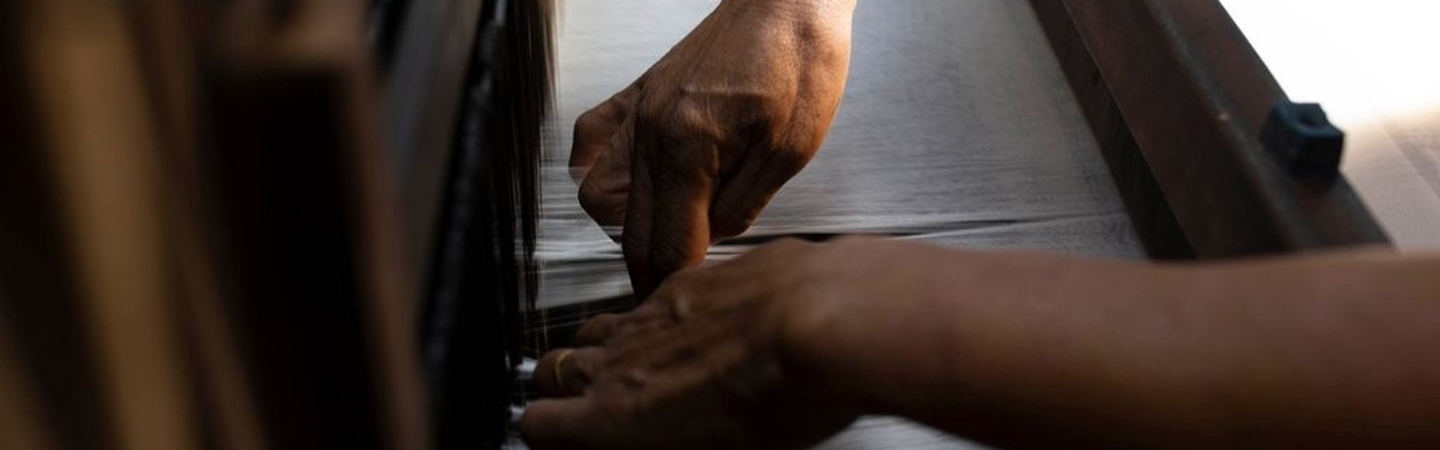
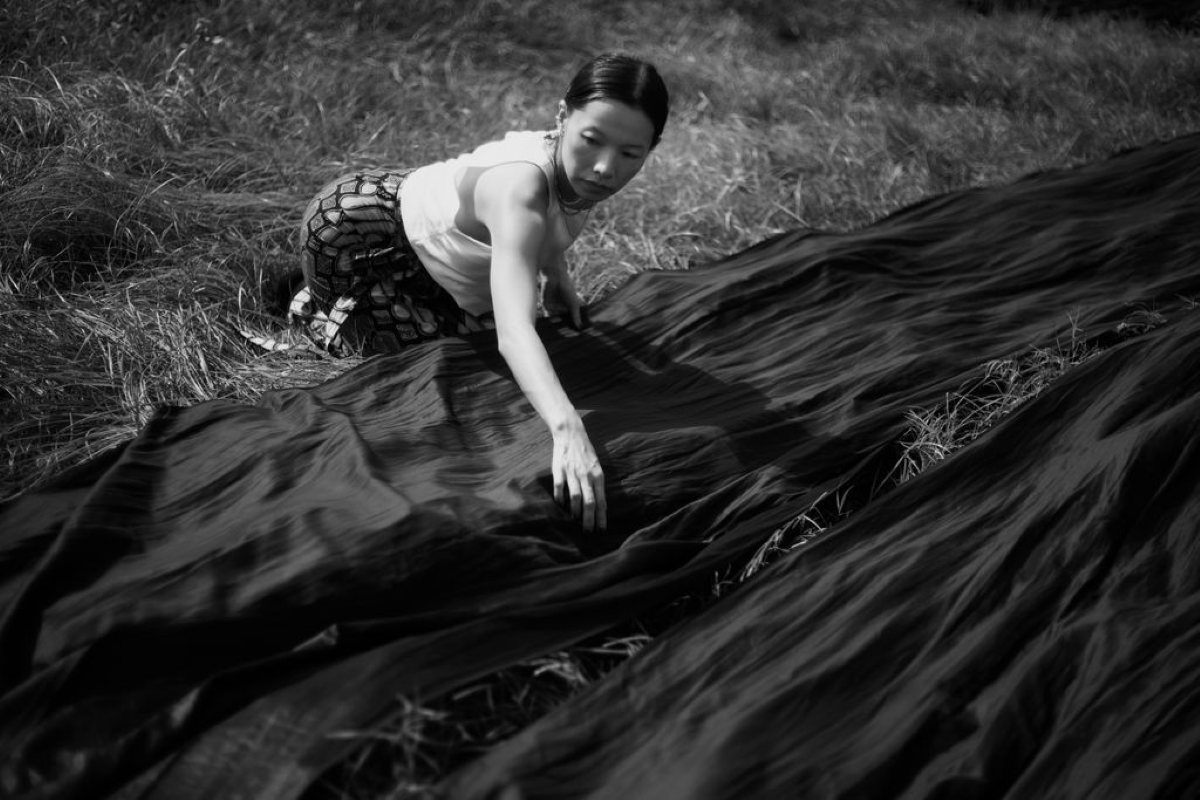
Alt Text is not present for this image, Taking dc:title 'lanh-my-a-1200x800'Handwoven and naturally dyed, Lãnh Mỹ A is one of Vietnam’s most distinctive silk textiles.

Among the RMIT-commissioned works is a traditional áo dài and trousers made from Lãnh Mỹ A, a rare and highly prized black silk textile woven and dyed in Tân Châu silk village in Vietnam's Mekong Delta. Commissioned and lent by RMIT University Vietnam, the garment showcases what is often described as the "silk queen of Vietnam" – a one-of-a-kind fabric produced through an extremely complex weaving and fruit-based dyeing process found nowhere else.

The knowledge behind Lãnh Mỹ A silk is held by only a small number of makers, many of them ageing, and has not yet been successfully passed to younger generations. Bringing the textile to an international stage is both a celebration of the craft and an act of preservation of intangible cultural heritage.

"It is an extraordinary plant-based material practice, and also a very fragile one," said Professor Donna Cleveland, Dean of the School of Communication & Design at RMIT Vietnam and research advisor on the exhibition. 

"This project connects closely to my broader research into sustainable material futures, craft knowledge, participatory design and regenerative textile systems. Through the Vietnam Design Research Studio, RMIT Vietnam is working to document and support traditional and place-based cultural practices not as static heritage, but as living knowledge systems that can inform more ethical, ecological and community-centred approaches to design."

Professor Cleveland said the project also aligned with RMIT Vietnam's Country Commitment, particularly its focus on community-centred research, social innovation, regional collaboration and strengthening Vietnam-Australia cultural and research ties. 

"By documenting this rare plant-based textile practice and its presentation through NGV in Victoria, the project brings Vietnamese material knowledge into an international design conversation about sustainability, cultural resilience and shared ecological futures."

Plant Life follows NGV/RMIT's debut exhibition, Making Good: Redesigning the Everyday, whichfeatured more than 50 projects exploring how designers are transforming the products and systems that shape daily life into solutions that better consider people and planet. 

Plant Life: The Nature of Design,The Ian Potter Centre: NGV Australia | 28 August 2026 – 7 February 2027 | FREE

28 August 2026

Share

Related news