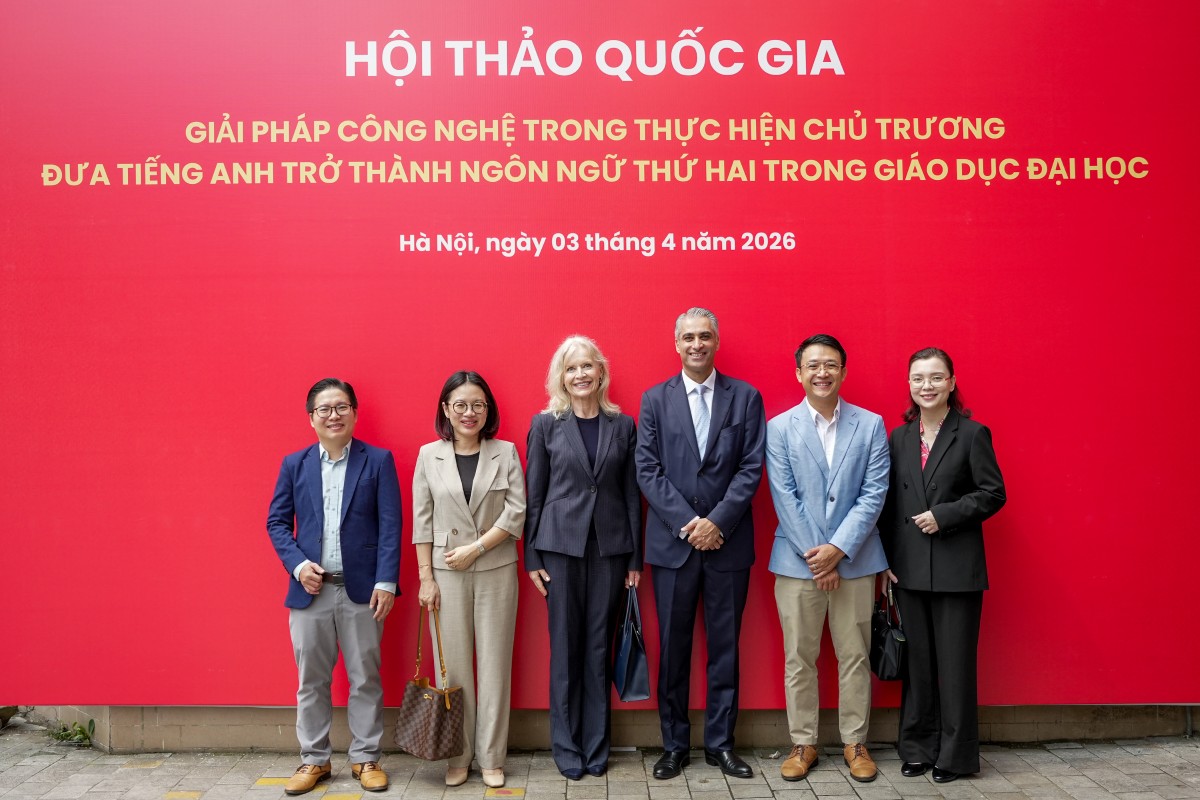
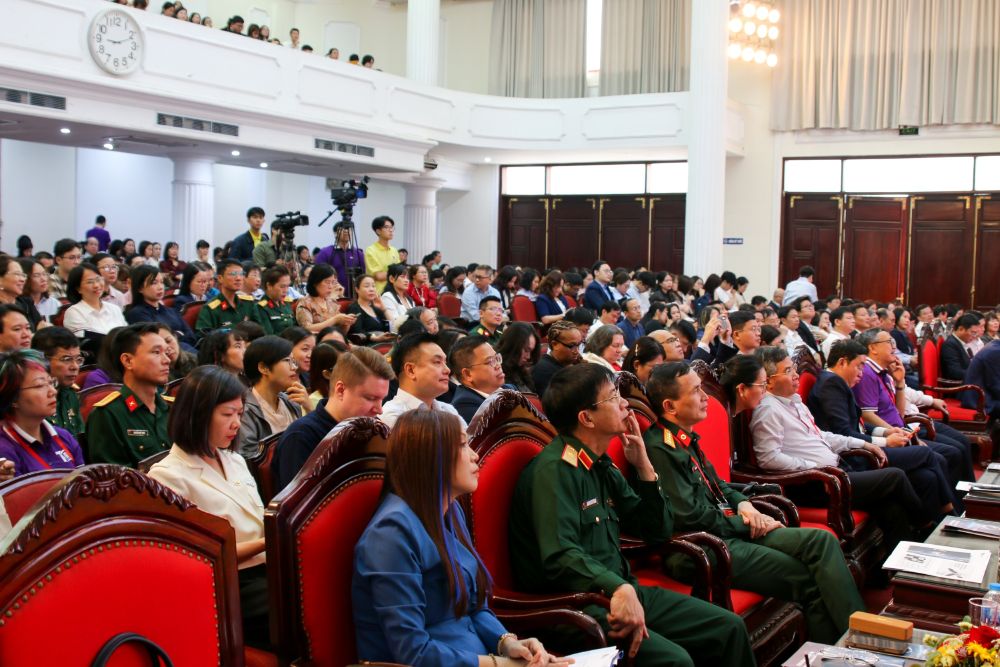
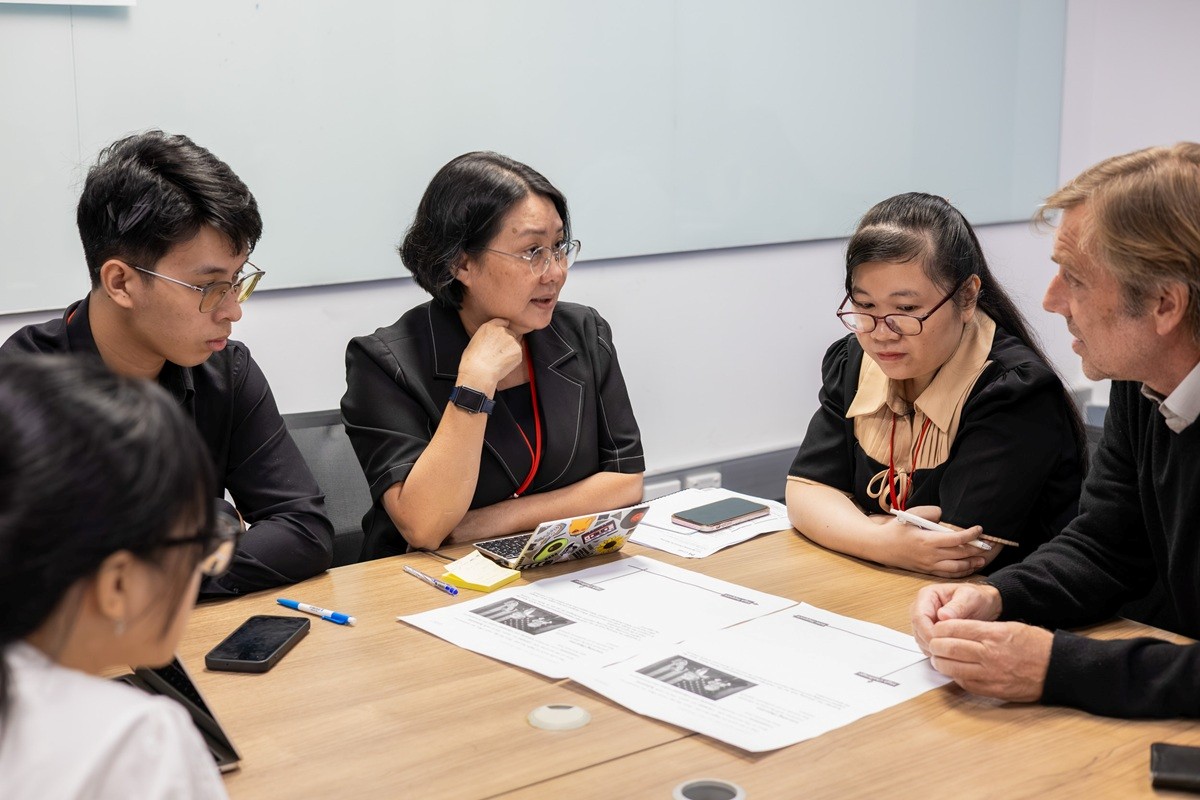
Teacher Talks 2026 shares new pathways for learning through English
English
13 Oct 2026
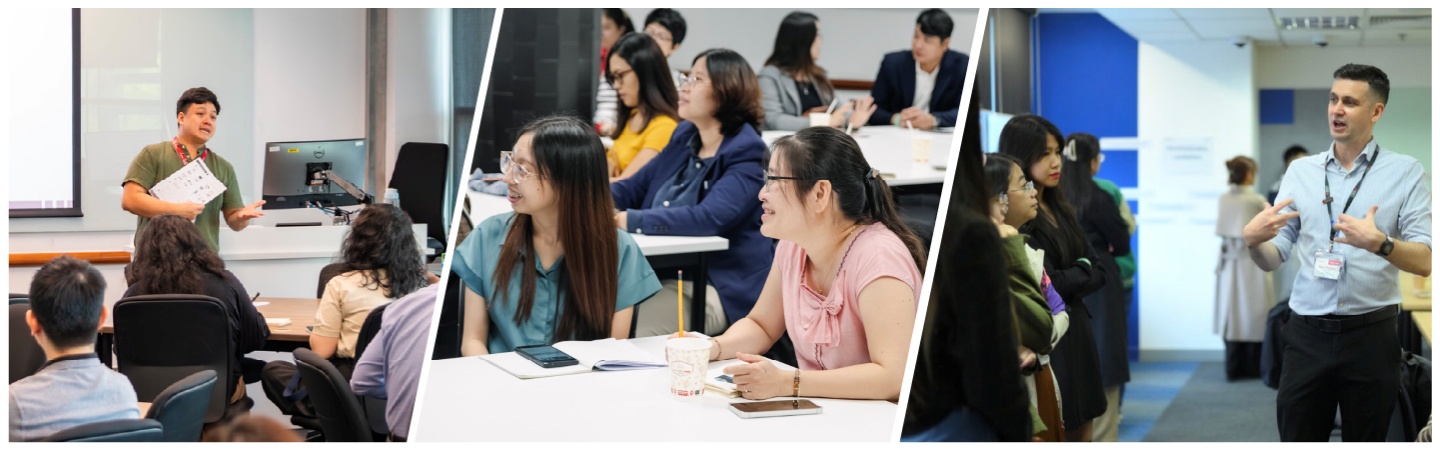
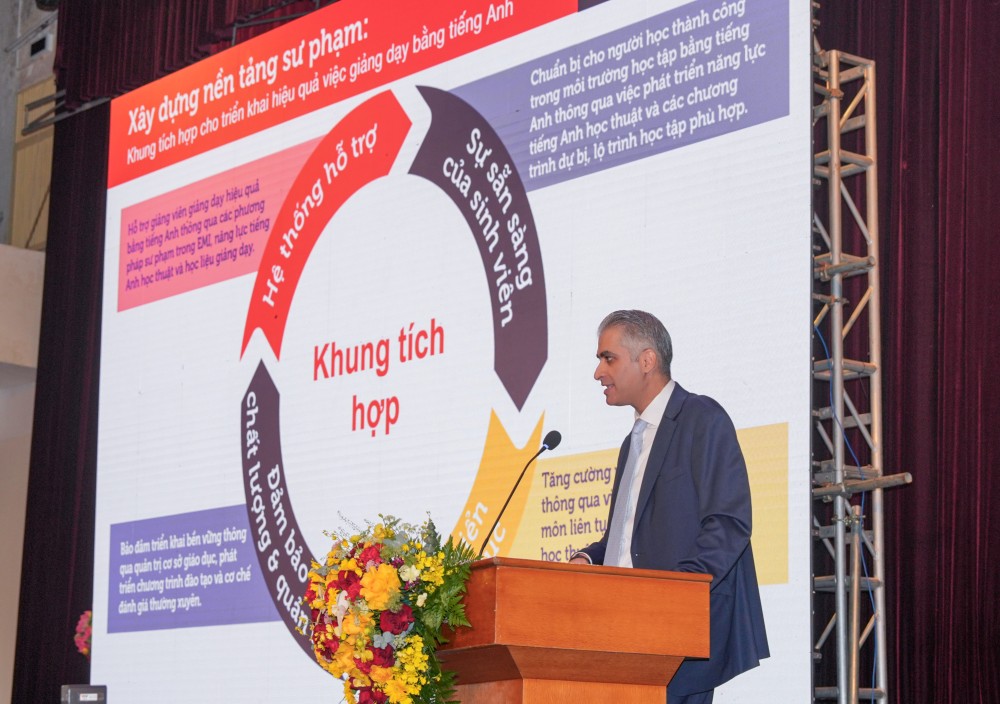
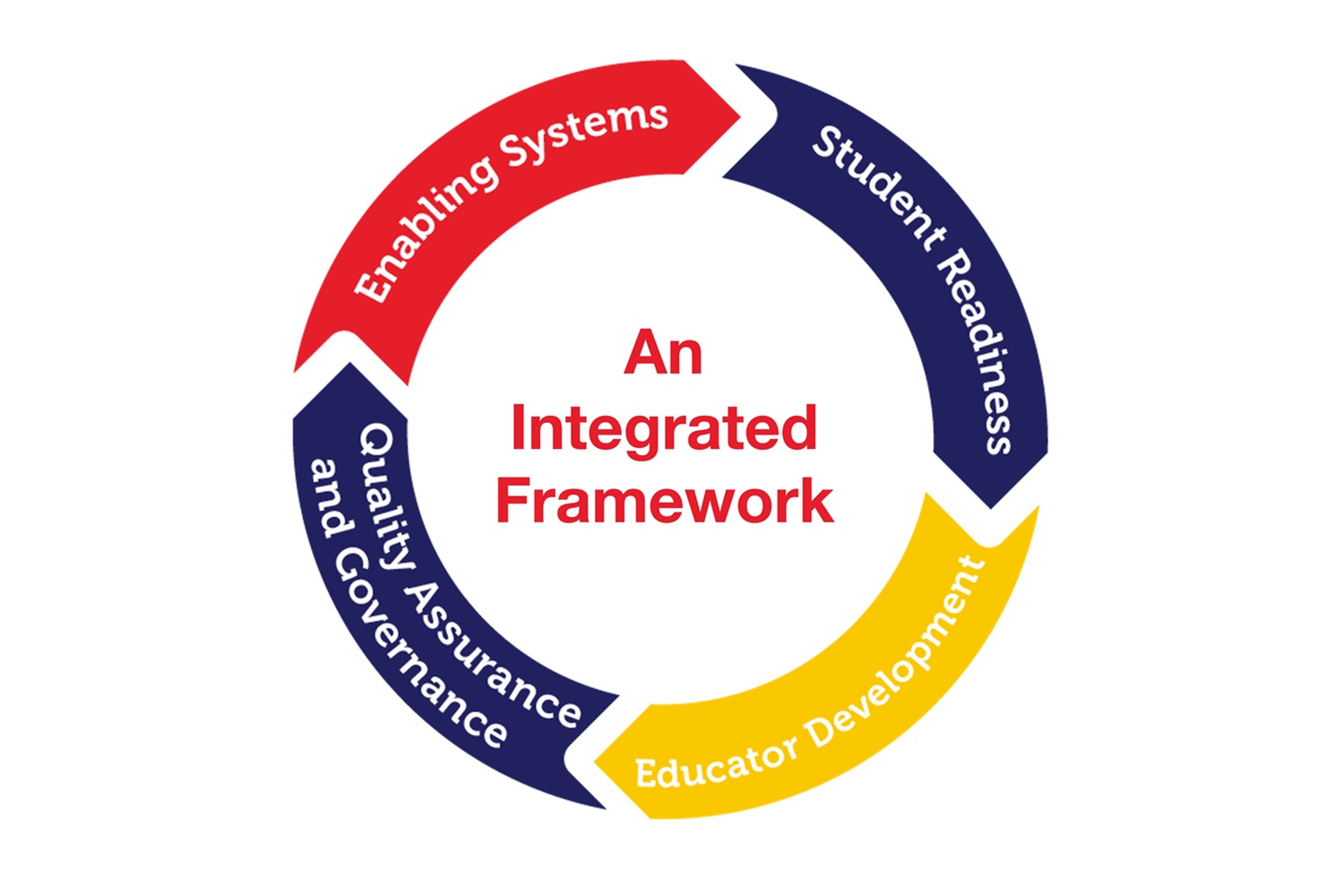
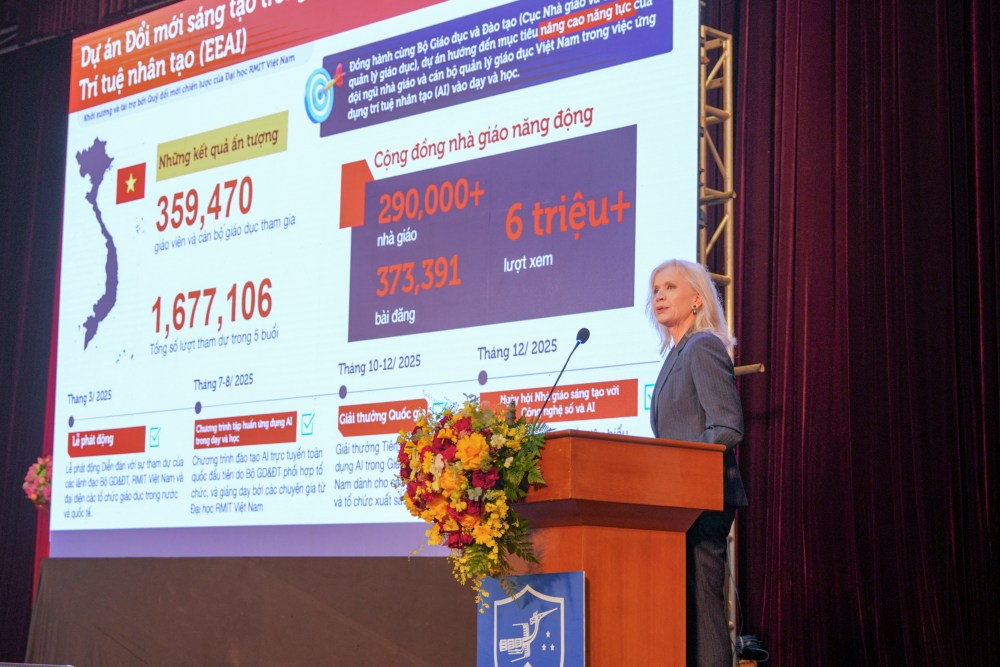
With a new English-medium instruction stream and a broader mix of speakers than ever before, RMIT’s Teacher Talks 2026 explored how teaching and learning through English is evolving in Vietnam.
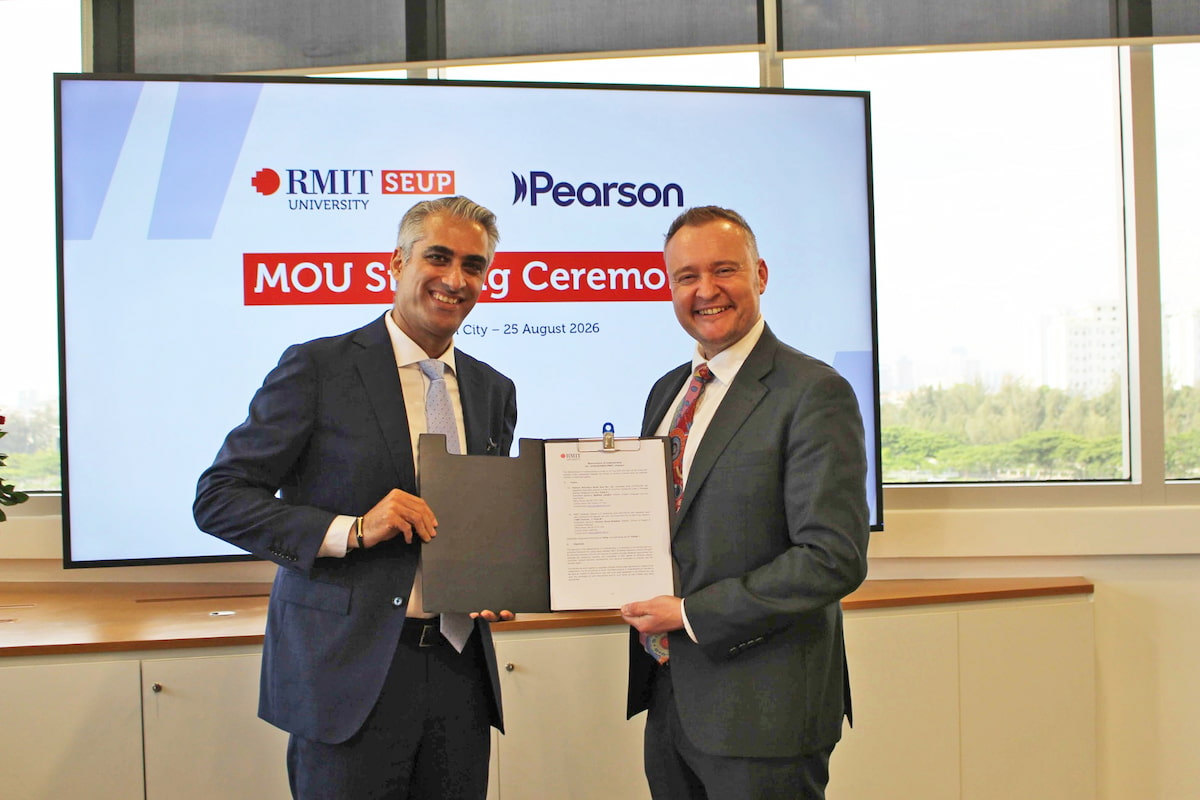
RMIT Vietnam and Pearson partner to strengthen English language education in Vietnam
English
31 Aug 2026
The partnership will explore collaboration in teacher development, English language assessment, digital education and a potential Centre of Excellence.
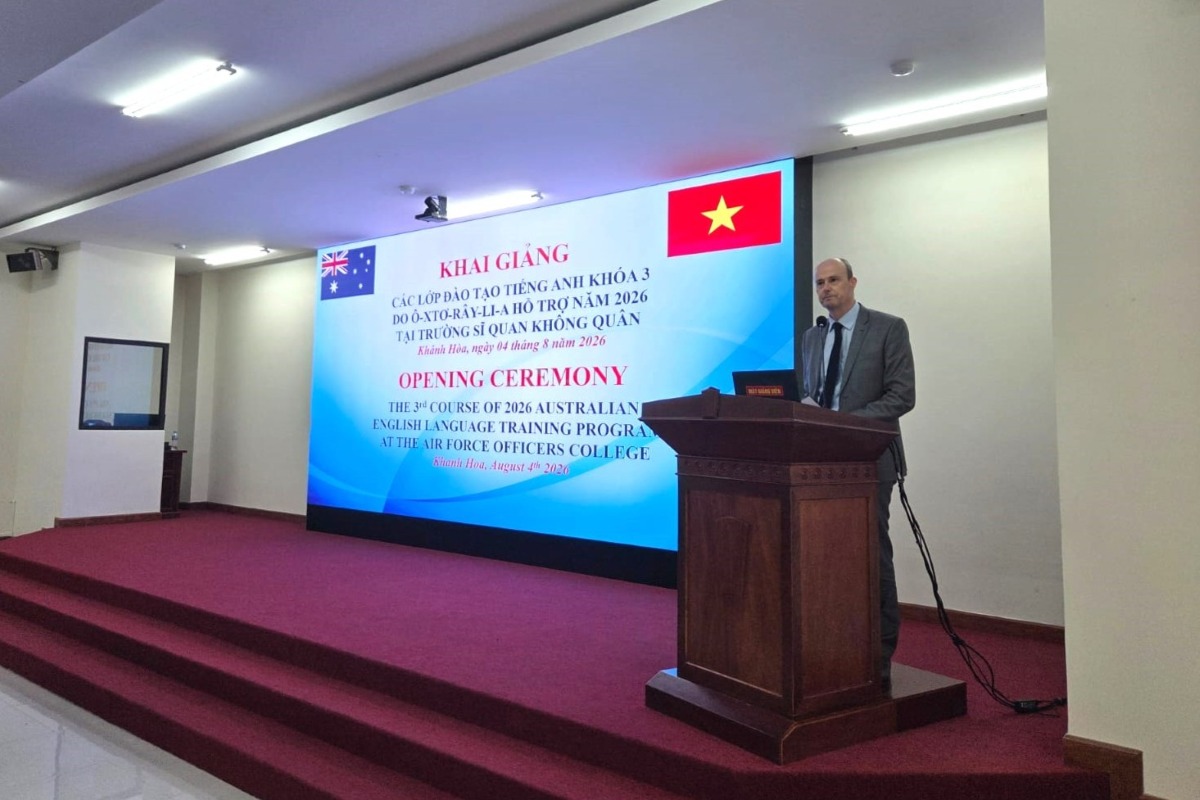
New English program deepens Australia-Vietnam defence partnership
English
05 Aug 2026
A new English training program for 90 Vietnam People’s Army (VPA) personnel has launched in Khanh Hoa, strengthening long-standing Australia-Vietnam cooperation in defence and education.
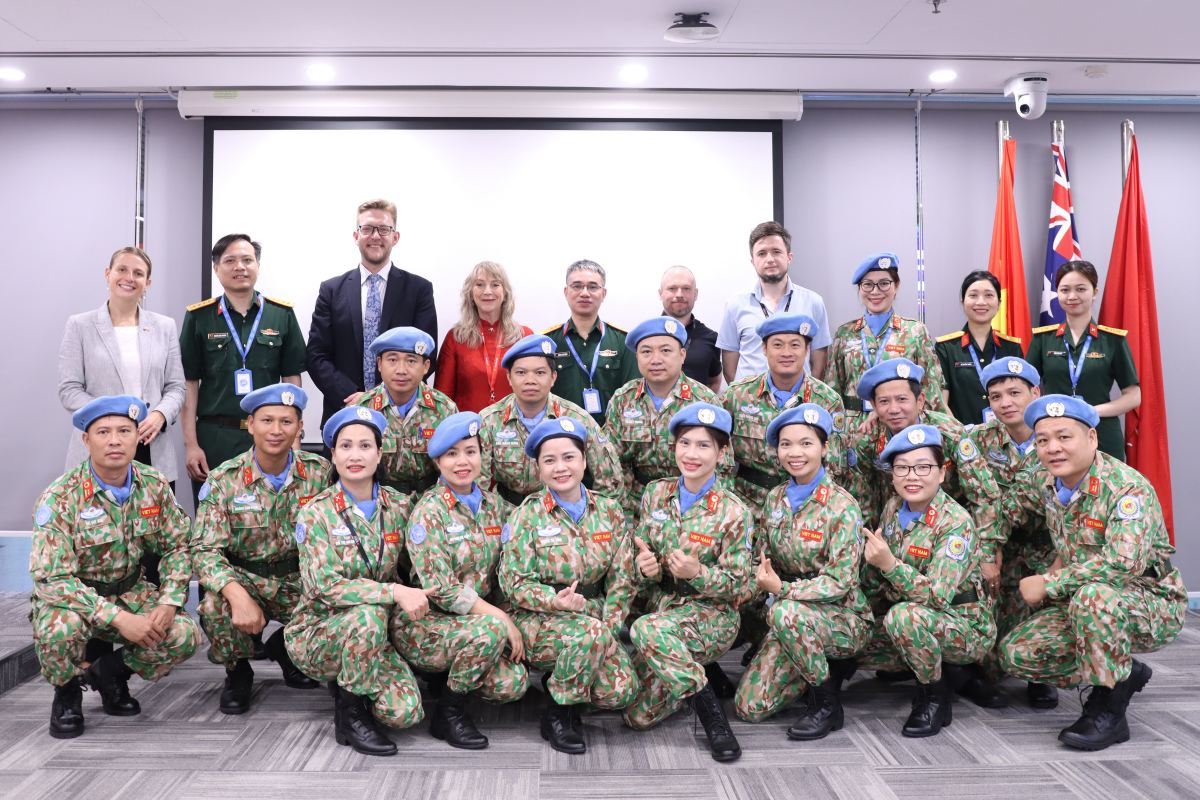
RMIT Vietnam delivers English training for UN peacekeepers
English
01 Jun 2026
Forty peacekeepers from the Vietnam People’s Army have completed a 13-week English training course at RMIT Vietnam, equipping them for deployment to a United Nations peacekeeping mission in South Sudan.