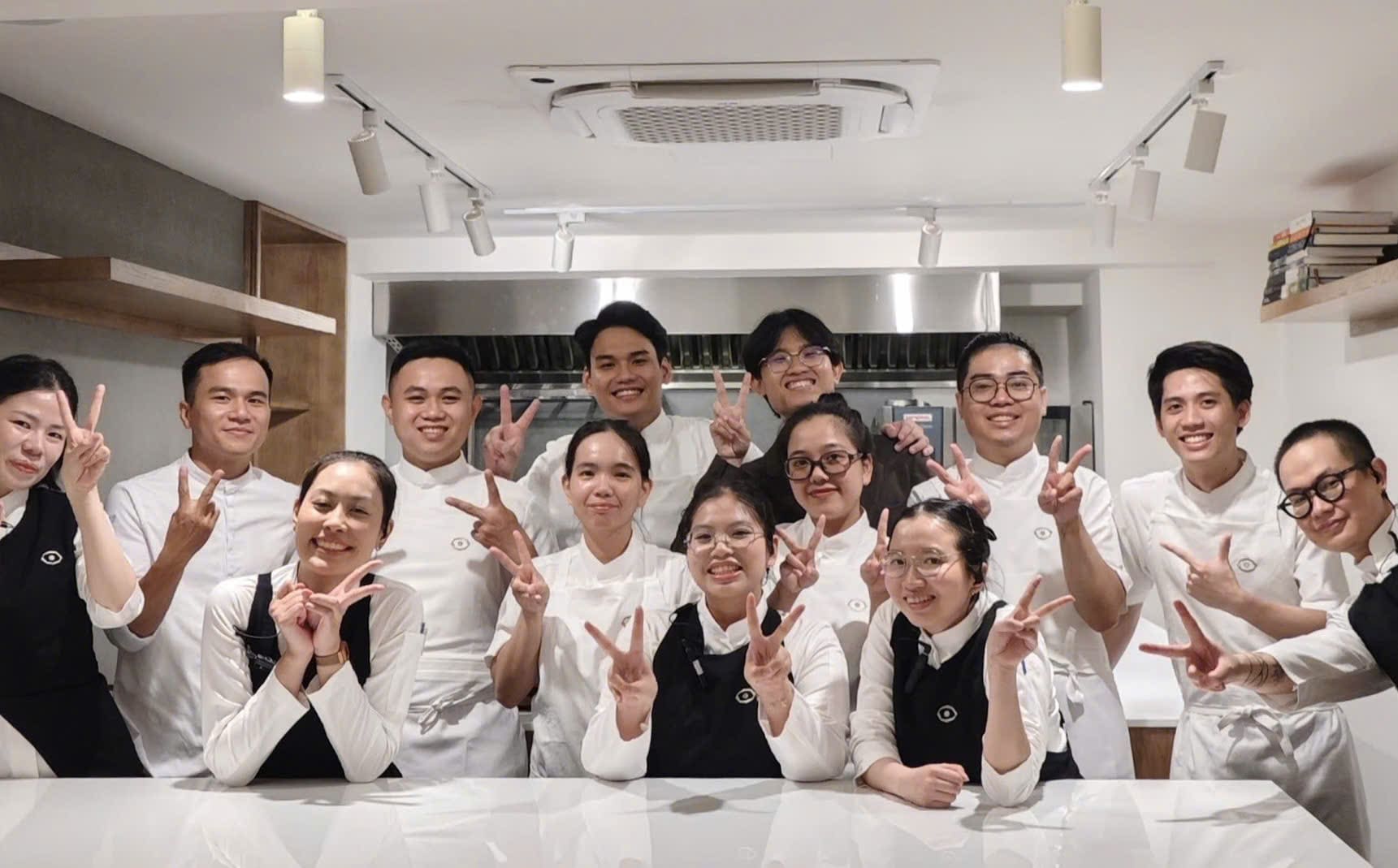
This insight now underpins the philosophy behind Vore, where innovation is carefully balanced with familiarity. “Innovation is not about being different for the sake of it. It is about understanding what is universally human and reshaping it just enough to create surprise without losing connection.”
Academic excellence with balance and discipline
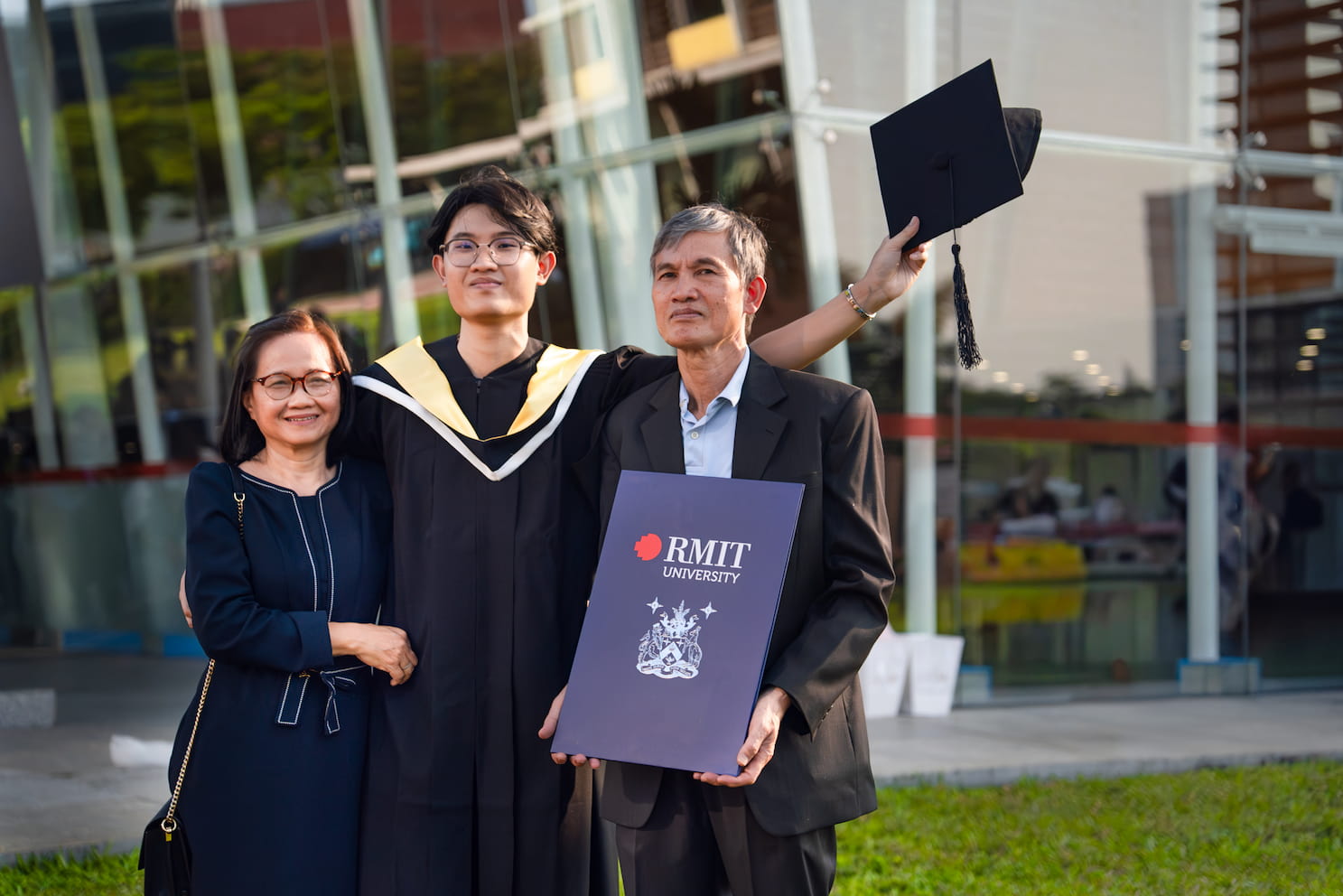
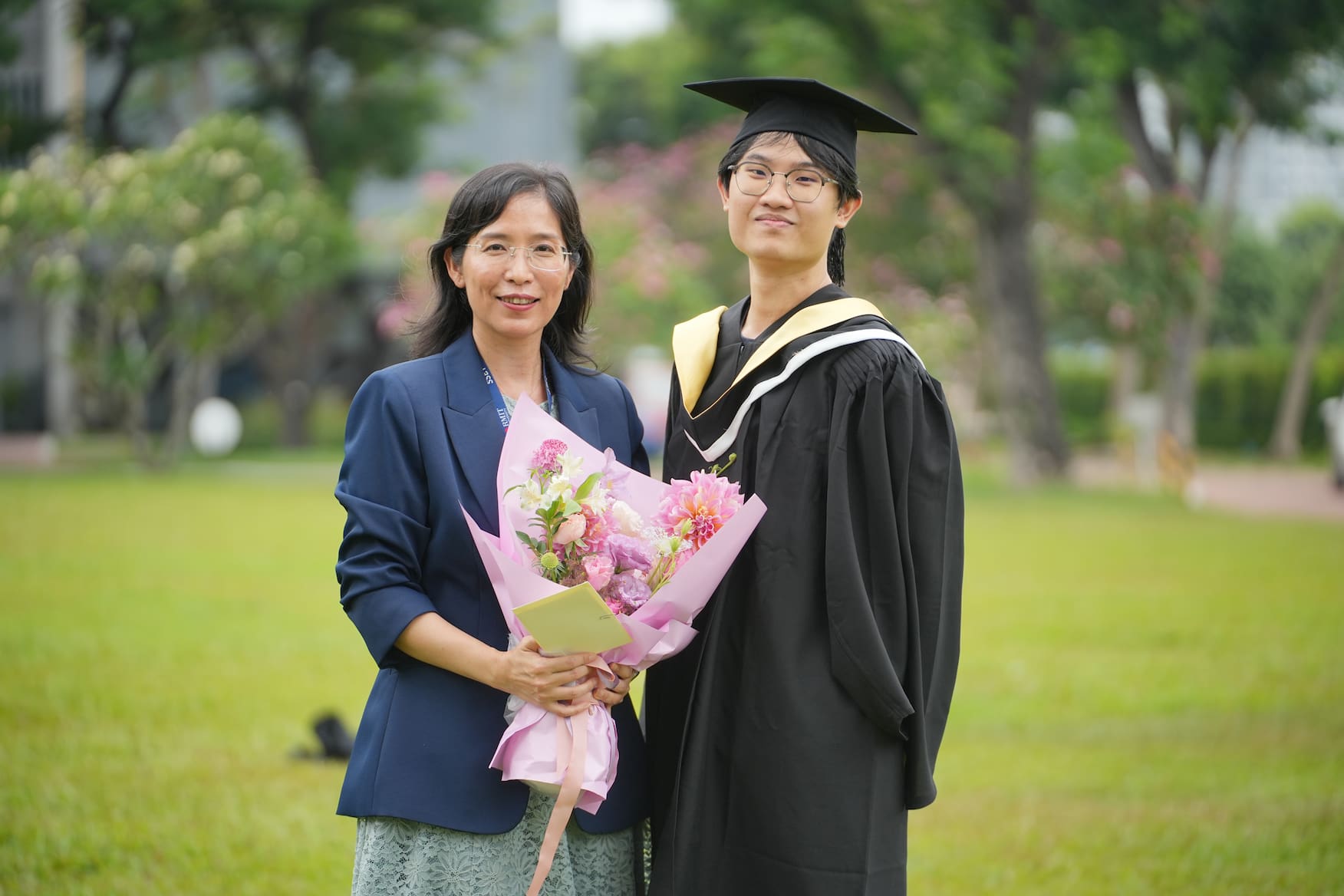
Achieving a GPA of 4.0 required more than academic ability. Thang credits a structured yet flexible mindset he describes as “two-phase discipline”.
First, he focused on deeply understanding each assignment before attempting to complete it. Then, he refined and strengthened his work with that broader perspective.
Equally important was consistency. “I showed up. That sounds basic, but I mean it seriously,” he said. “If a lecturer made the time to teach, the least I could do was meet that effort with my full presence.”
At the same time, he rejected the idea that top students should only study, emphasising the importance of balance, diverse experiences and rest, “because a life with only pressure becomes narrow very quickly.”
He also highlights the role of the RMIT community. “RMIT is full of people who are thoughtful, talented and unexpectedly generous. Conversations with friends, lecturers, professional staff and industry guest gave me perspective, encouragement and standards to grow into.”
Turning ideas into reality
The concept behind Vore was shaped by both academic exploration and creative inspiration, including the storytelling-driven approach seen in the series Chef’s Table. “What moved me most was not just the dishes, but the idea that a meal could open someone’s mind, not only their mouth,” he said.
While RMIT provided a safe space to test ideas, translating them into a real-world dining experience presented new challenges. “The biggest challenge has been accepting that reality has weight,” Thang said. “Financial limitations are real. Misalignment between people is real. The distance between vision and execution is very real.”
Working with diverse teams outside the university environment also required new levels of communication and maturity. “In the real world, alignment must be built from scratch. That takes patience and resilience.”