
Can AI truly forget, or does it just pretend to?
Amidst rising AI adoption in Vietnam, research from RMIT University reveals that systems may appear to forget sensitive data but can still recover it under pressure, raising urgent questions for data privacy.

AI should give nurses more time to care, not replace them
Large language models could help nurses spend less time on paperwork and more time with patients. But according to research from RMIT, their success depends on treating AI as a trusted assistant rather than an autonomous decision-maker.
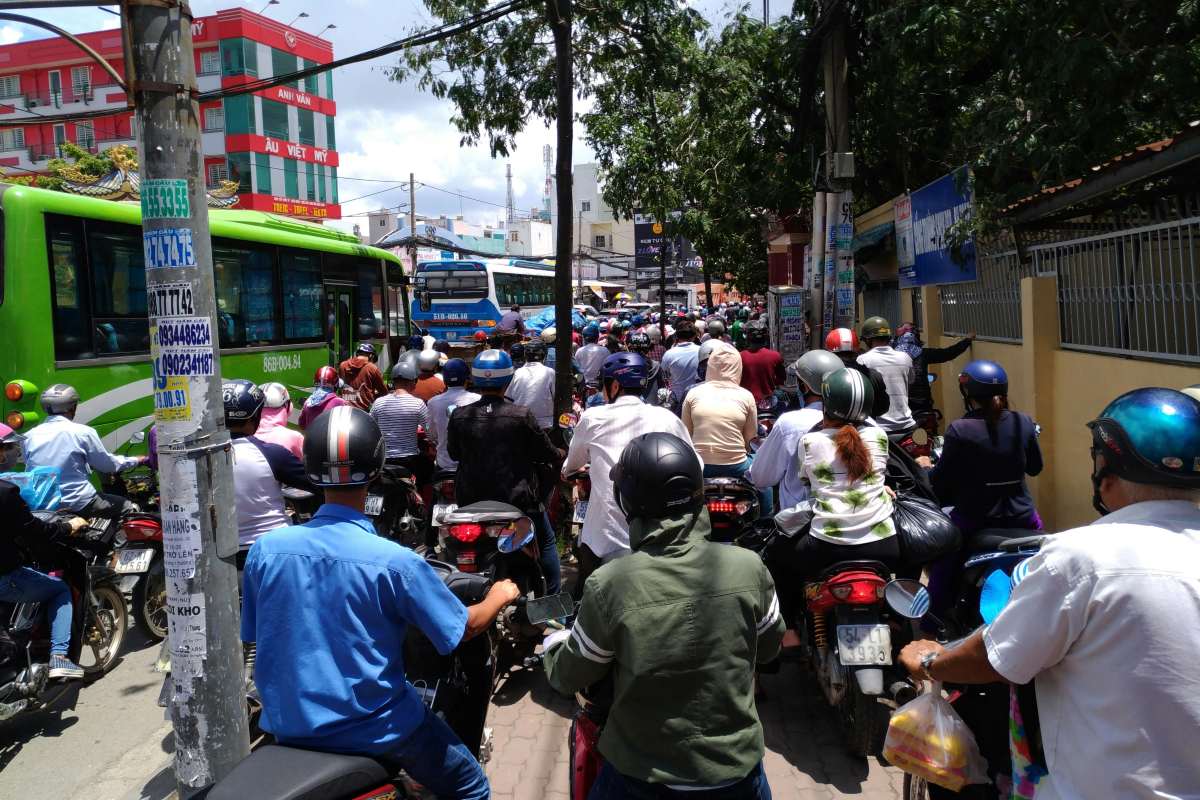
Can AI explain traffic jams?
Dr Pham Viet Hung, an RMIT Vietnam researcher specialising in electronic computer systems and robotics and mechatronics, found that understanding why traffic congestion happens may be just as important as predicting where it will occur.

Meta acts on teen safety, but questions remain
Meta's new restrictions for teenage users in the US are a welcome step, but the debate should move beyond screen-time limits and towards the role platforms play in shaping online behaviour.