
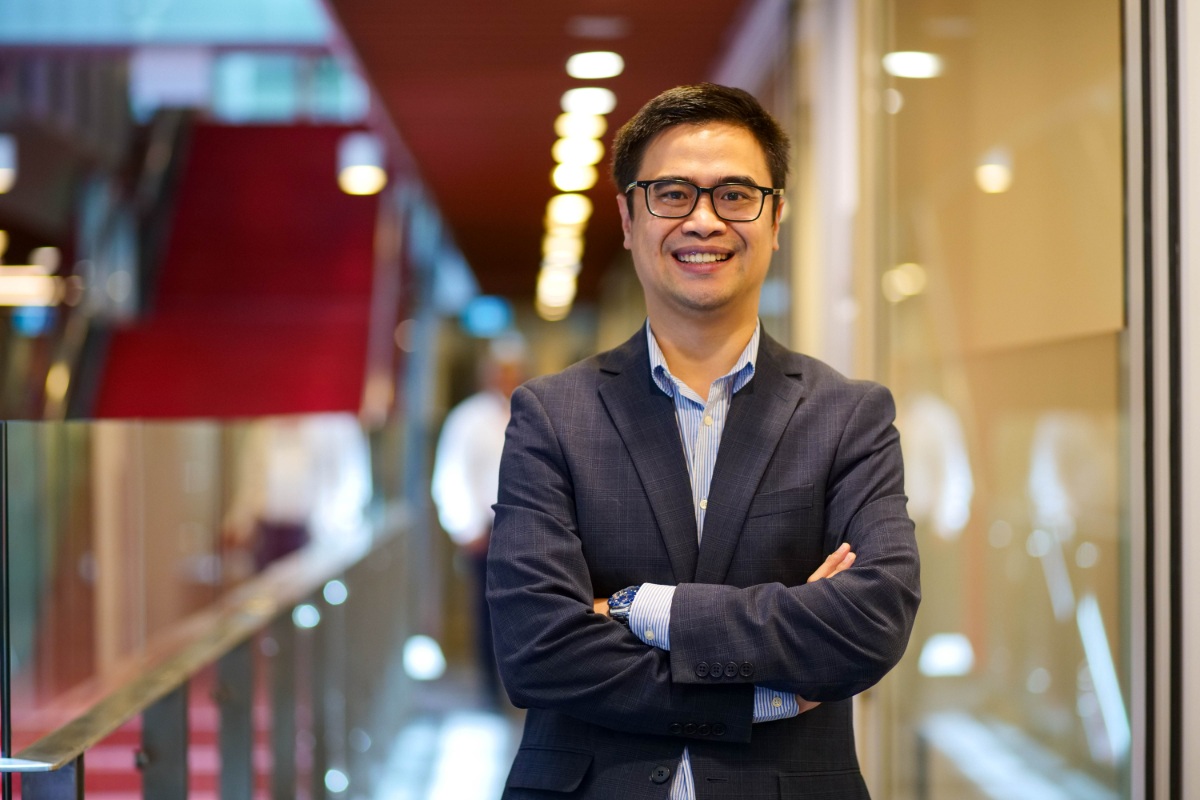



Vietnam seeks its own digital finance edge, not a Singapore replica
According to Dr Nguyen Nhat Minh (RMIT Vietnam), as digital assets and new financial technologies become increasingly connected to real-world money flows and economic activity, Vietnam’s challenge is no longer simply about technology.

Gen Z cares about planet. But what really makes them buy green?
RMIT Vietnam researcher Dr Alrence Halibas found that Gen Z may be the most sustainability-conscious generation, but not always the most sustainable shoppers.

Vietnam tourism may hit its target, but is it creating enough value?
While international arrivals to Vietnam continue to rise and the upcoming holiday and festive season is round the corner, RMIT academics say the tourism industry cannot rest on its laurels of success.

Are you using AI as an assistant or a collaborator?
Many knowledge workers use AI as an assistant, but RMIT Vietnam research suggests they can gain more value by engaging AI as a collaborator that challenges ideas, tests assumptions, and expands perspectives.