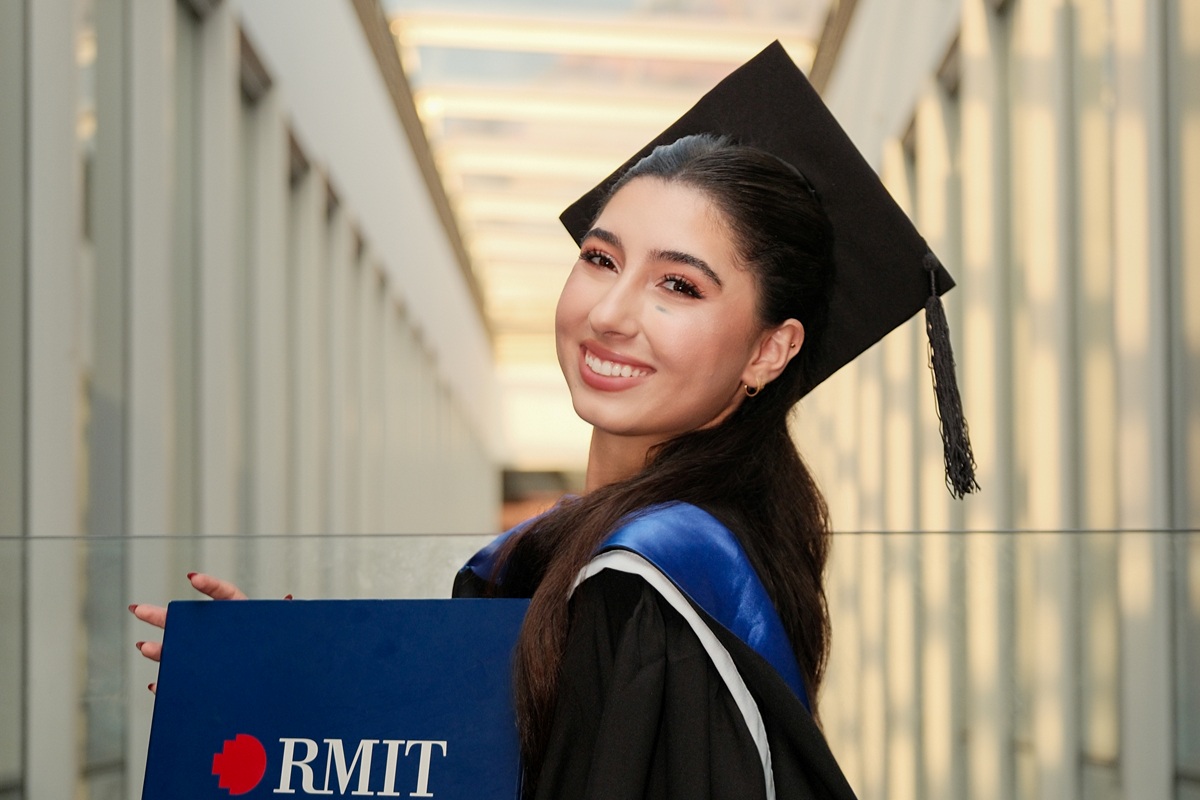
Following curiosity, finding purpose: Shirin Shujaa’s journey
For Shirin Shujaa, curiosity – sparked by new ideas, mentors and opportunities at RMIT Vietnam – grew into a purpose that now guides her research in artificial intelligence.
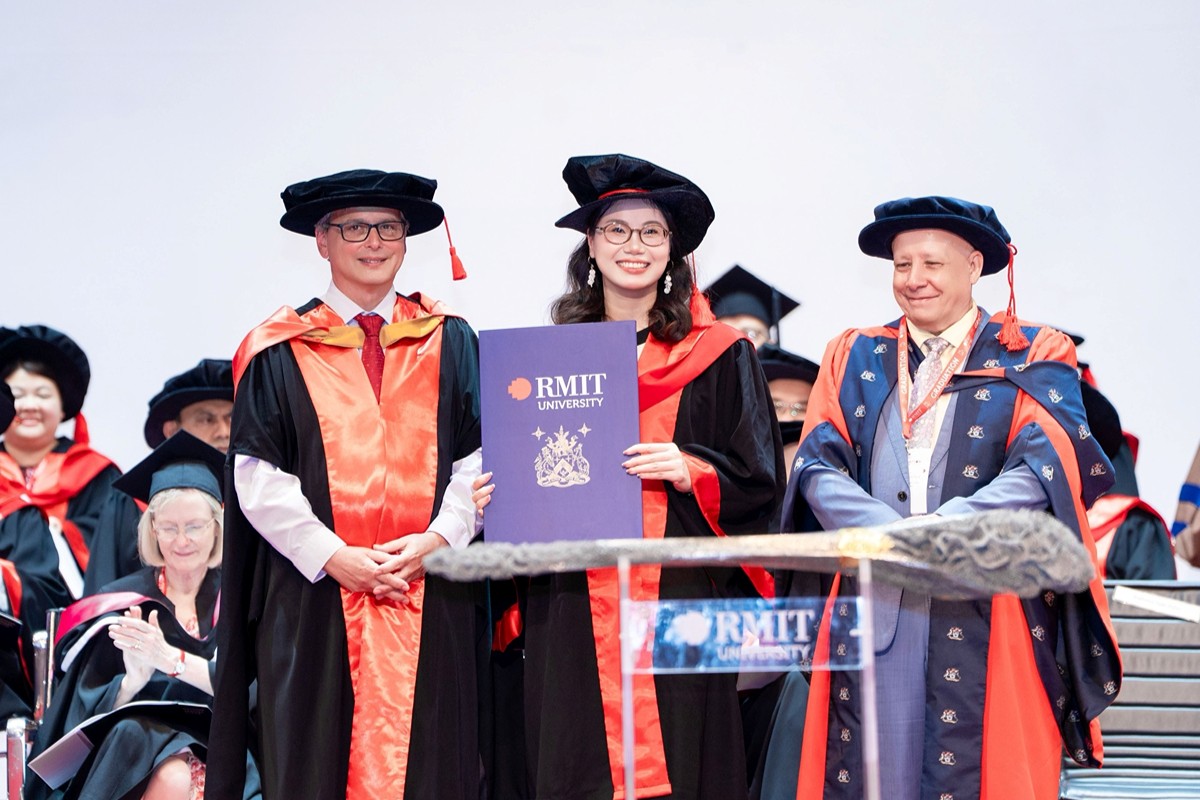
A PhD journey empowered by RMIT’s support system and research community
Now a lecturer in The Business School, Dr Pham Thanh Hang describes her PhD journey as both demanding and deeply rewarding, made possible by the support she received at RMIT.
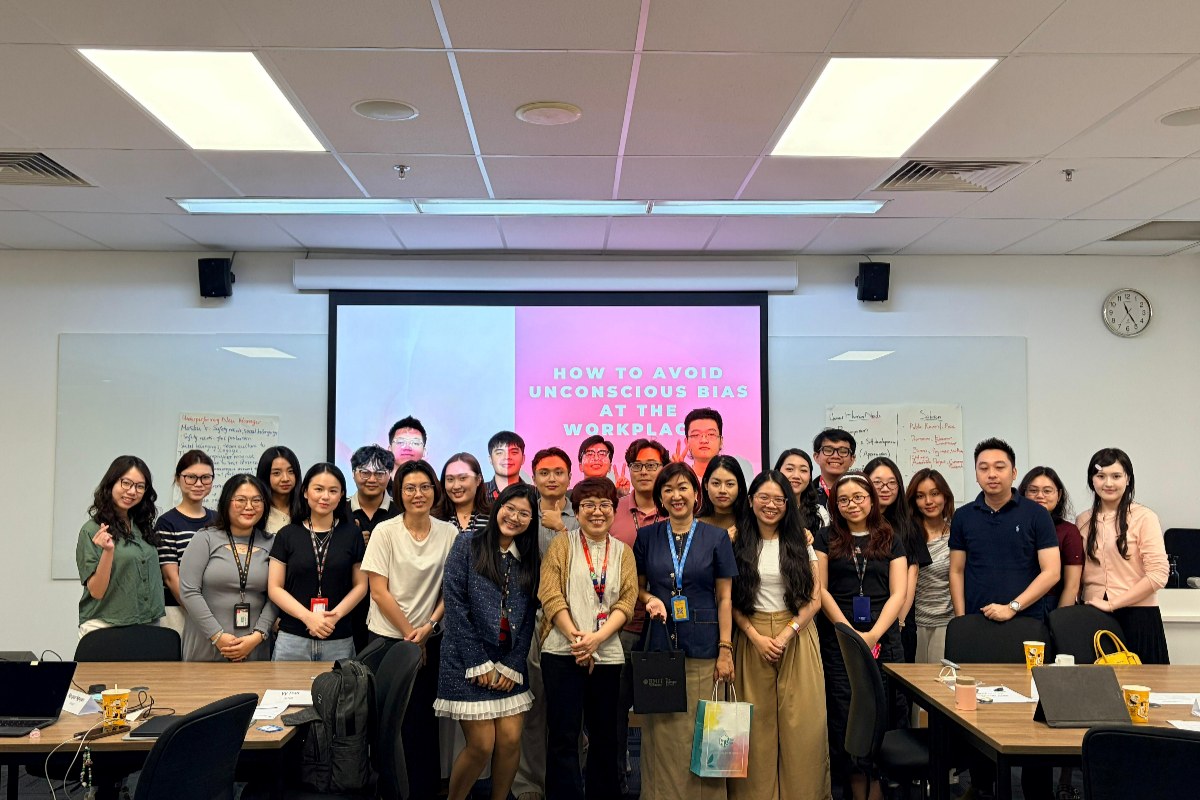
Understanding people – the building blocks of thoughtful leadership
Organisational success depends on how people work together day to day. In the People & Organisations course, you’ll learn to understand workplace dynamics and lead with clarity, judgement and awareness.
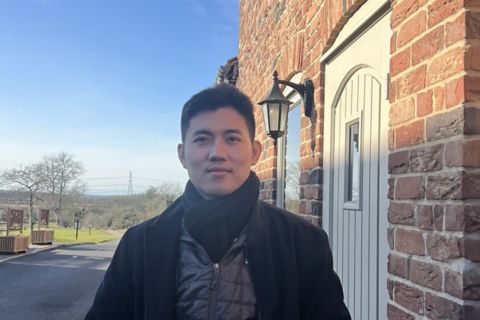
Meet Nguyen Nhat Linh – A quantitative trader who studies Master of Artificial Intelligence at RMIT
Already working with AI, Nguyen Nhat Linh saw a gap between using and understanding it. This inspired Linh to study the Master of AI at RMIT and explore the foundations of intelligent systems.