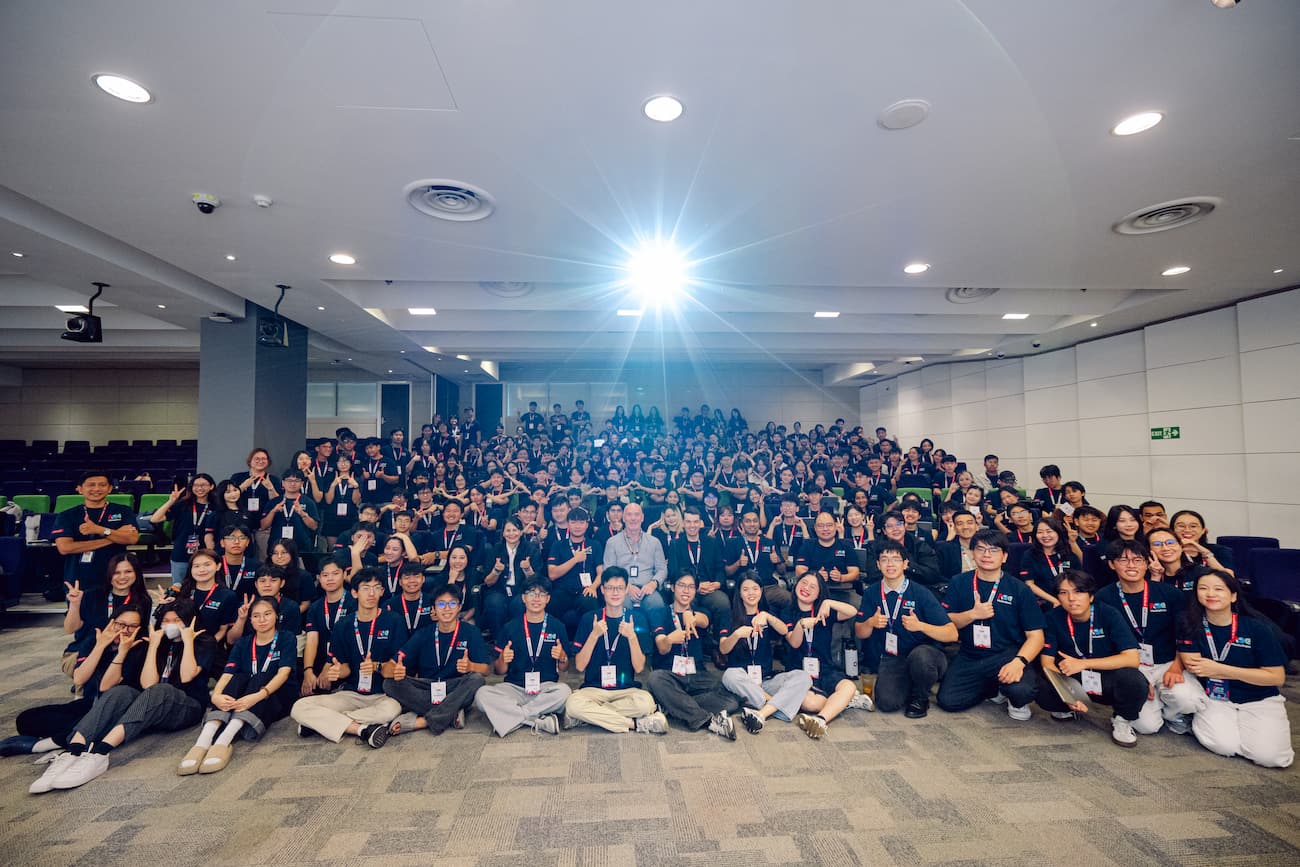
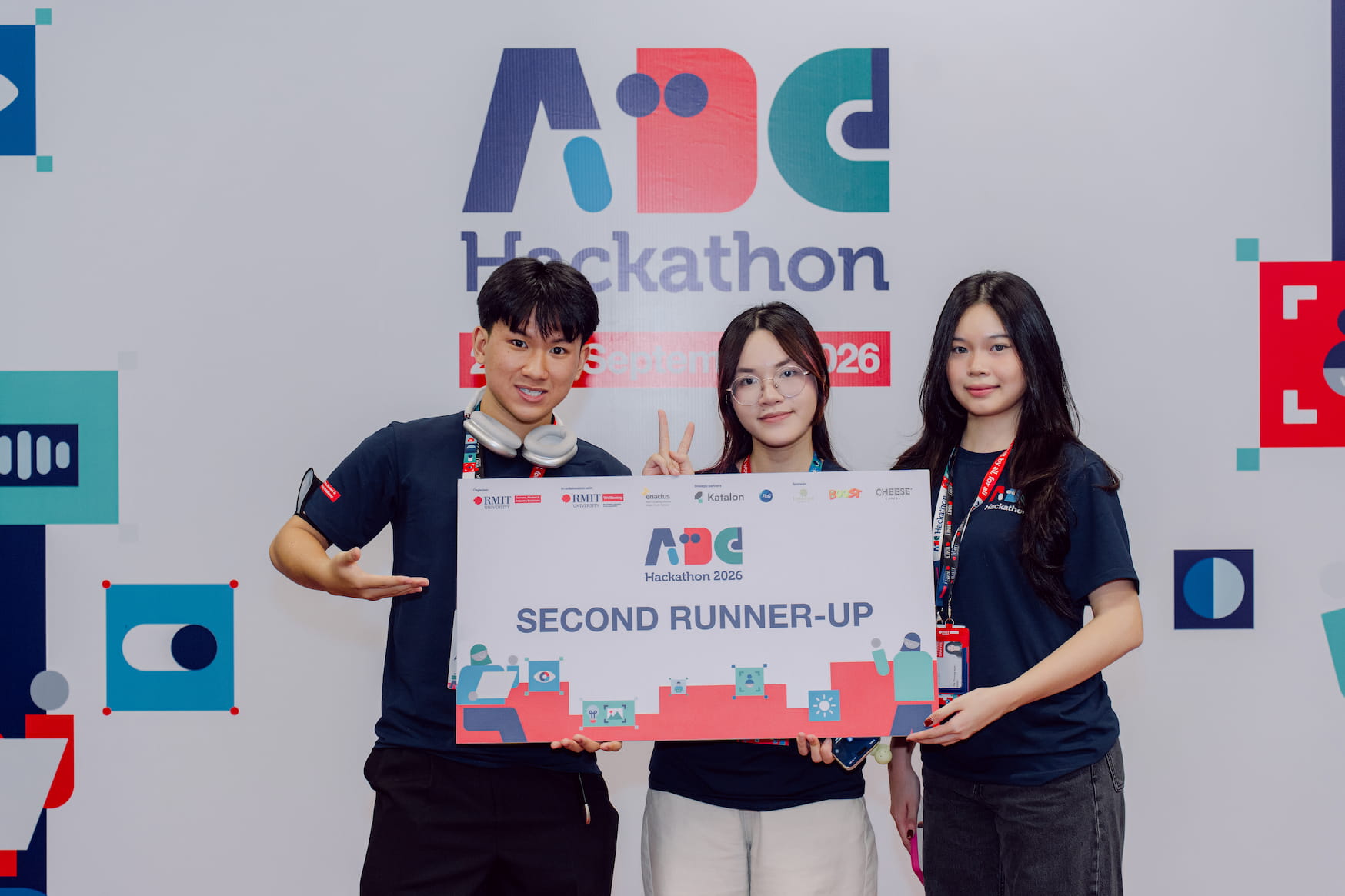
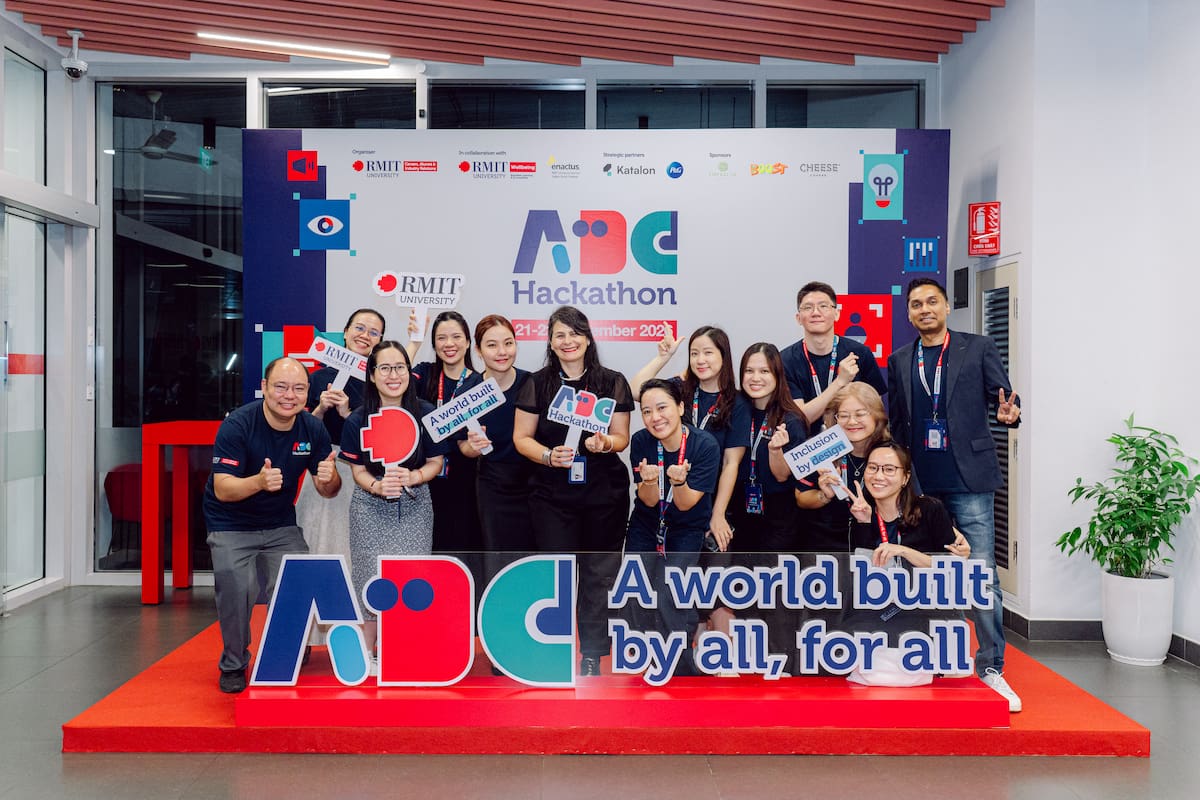
A total of 190 teams registered for the competition. Following the selection process, 65 teams from 28 universities joined the Hackathon, with 62 teams submitting their final solutions for the preliminary round and grand finale.
Under this year’s AI & Employability theme, teams developed solutions addressing four key areas: visual impairment, deaf or hard of hearing, mobility impairment and neurodivergence. Over three days, participants worked with industry mentors and end-users to understand accessibility challenges, develop and test ideas, and pitch their solutions to judges.
Ms Manuela Spiga, Director of Careers, Alumni & Industry Relations at RMIT Vietnam, said the hackathon was not only about the solutions participants pitched, but also about who they would become through the experience.
“Everything we've designed into these three days maps onto what actually makes a graduate employable – the capabilities that employers tell us they're looking for,” Ms Spiga said.
Participants were assessed on innovation and impact, user-centred design and accessibility, feasibility, use of AI and communication – capabilities that Ms Spiga described as “a portrait of a job-ready graduate”.
Industry mentors from organisations including Vulcan Labs, GoTymeX, Katalon, Ogilvy and ACFC worked alongside teams throughout the hackathon, helping participants test their ideas against real-world perspectives and constraints.
The competition also encouraged students to use AI as a tool while applying human judgement, creativity and empathy. “Companies can teach technical skills. Empathy at work is far rarer, and it is exactly what the best teams, and the best leaders, are built on,” Ms Spiga said.
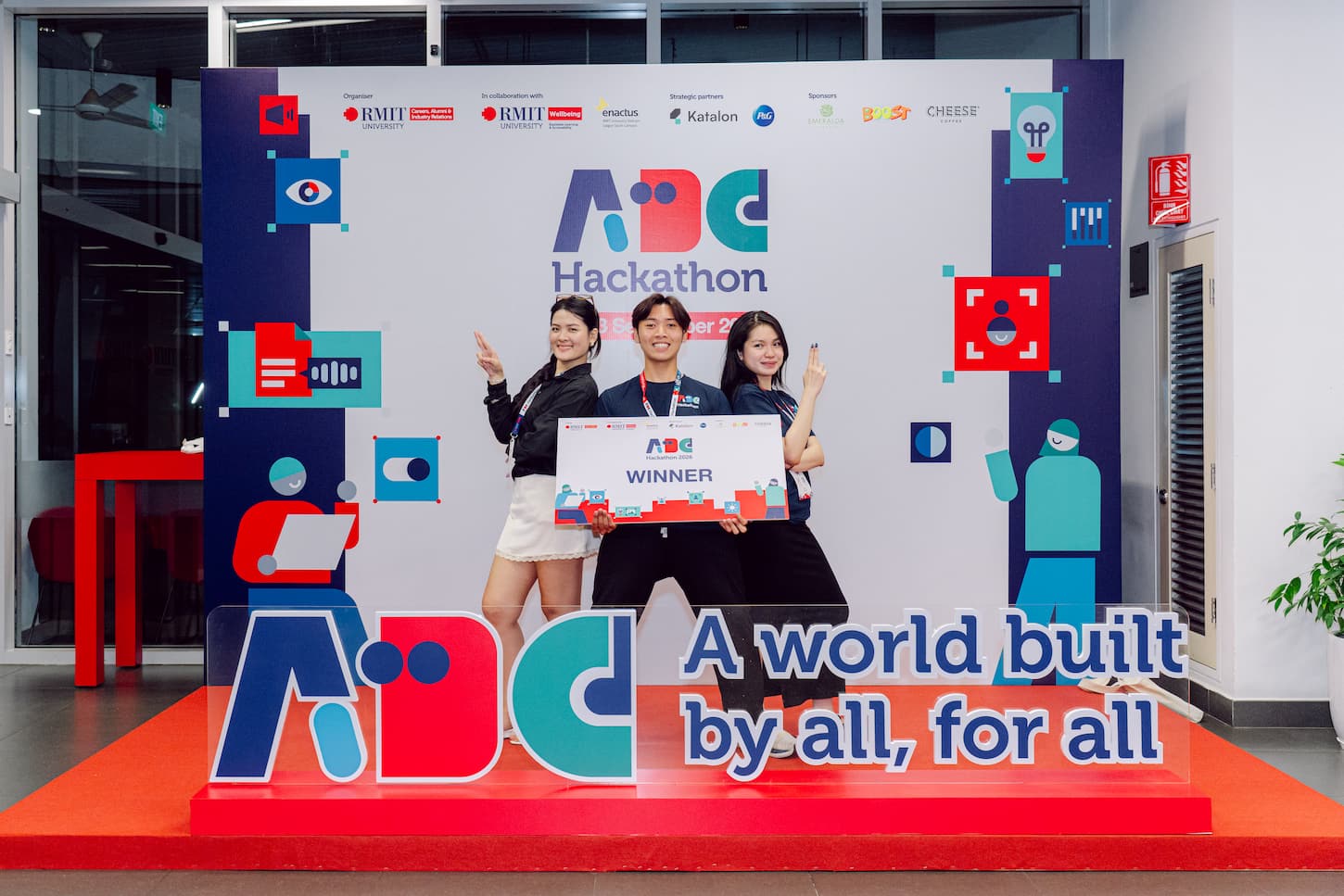
The winning team, Phuc Loc Tho from the University of Greenwich, developed WordWing, a digital workspace assistant designed to help bridge communication between neurodivergent and neurotypical colleagues.
The concept combines a web app ecosystem with a Google Chrome Extension side panel, using a friendly bird mascot named Pip to act as an asynchronous, two-way “Universal Language Translator”. Rather than changing a user’s authentic intent, WordWing aims to help colleagues better understand different communication styles in the workplace.
The idea was shaped by the team’s own experiences. Several members had experienced challenges associated with undiagnosed attention-deficit/hyperactivity disorder (ADHD), while others had encountered communication barriers from a young age. They recognised that these challenges could continue into the workplace, where communicating with managers and colleagues can create anxiety around being misunderstood, upsetting others or feeling excluded.
This motivated the team to explore how technology could reduce communication anxiety and support more inclusive workplaces.