
Turning Hanoi’s 100-year vision into urban reality

Turning Hanoi’s 100-year vision into urban reality

As Hanoi pursues a greener, smarter and more liveable future, Australian and Vietnamese experts highlighted international lessons and collaboration opportunities at a recent high-level roundtable.

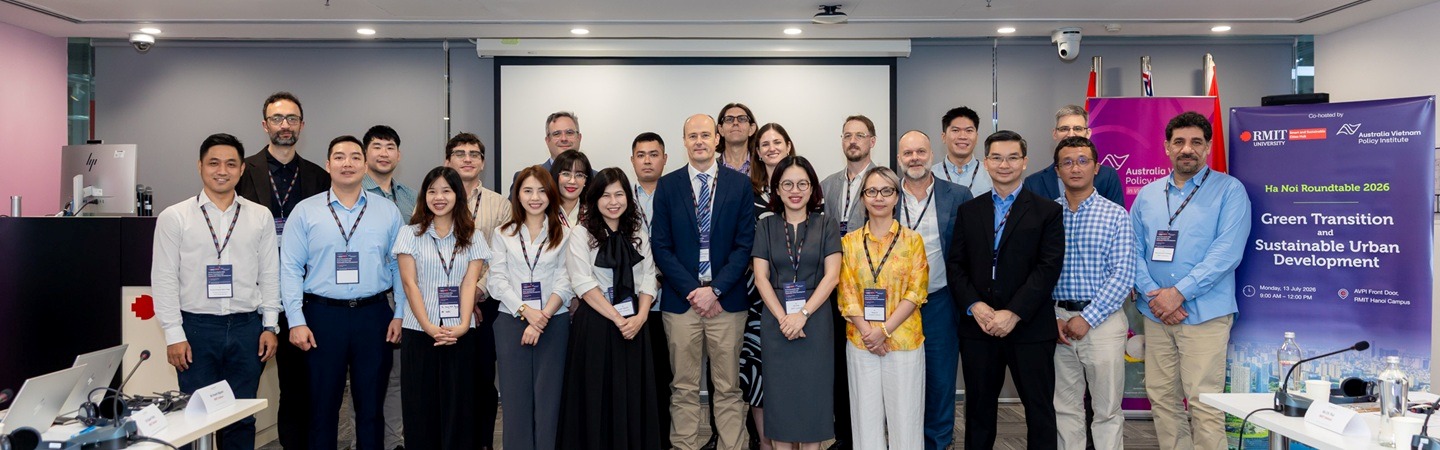
The Hanoi Roundtable 2026, co-hosted by RMIT Vietnam’s Asia Pacific Smart and Sustainable Cities Hub (SSC Hub) and the Australia Vietnam Policy Institute (AVPI), brought together representatives from government agencies, international organisations, research institutes, universities and industry for a high-level dialogue on green transition and sustainable urban development. 

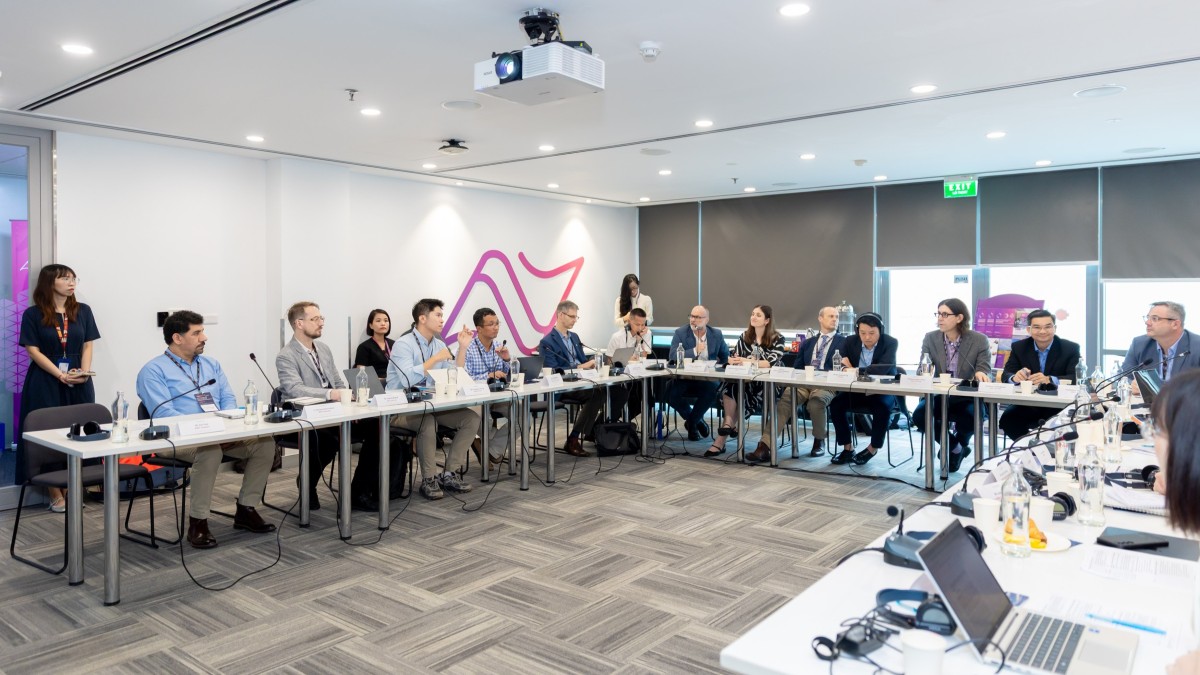
Wide shot of roundtableThe roundtable was held at the AVPI Hanoi Front Door, located at RMIT Vietnam’s Hanoi campus, on 13 July 2026. (Photo: RMIT)

The timing was significant. Hanoi’s recently approved 100-year master plan outlines a vision to develop the capital into a green, smart, and globally connected city while addressing challenges such as air pollution, transport congestion, industrial emissions, and climate resilience.

Opening the roundtable, RMIT Vietnam Pro Vice-Chancellor and General Director Professor Scott Thompson-Whiteside highlighted the importance of collaboration in addressing these complex challenges.

“None of these issues can be solved by any single organisation,” he said. “They demand shared evidence, sound governance, and genuine cooperation across government, universities, industry and international partners.”

Ms Dominique Wiehahn, Head of RMIT’s Hanoi Industry and Innovation Hub and AVPI Lead, added, “As Hanoi embarks on its 100-year vision, Australian expertise can play an important supporting role. By drawing on Australia’s experience in long-term urban planning, digital governance and sustainable infrastructure, and pairing this with Hanoi’s own priorities and capabilities, we can co-develop policy ideas and practical initiatives that support the city’s next phase of growth.”

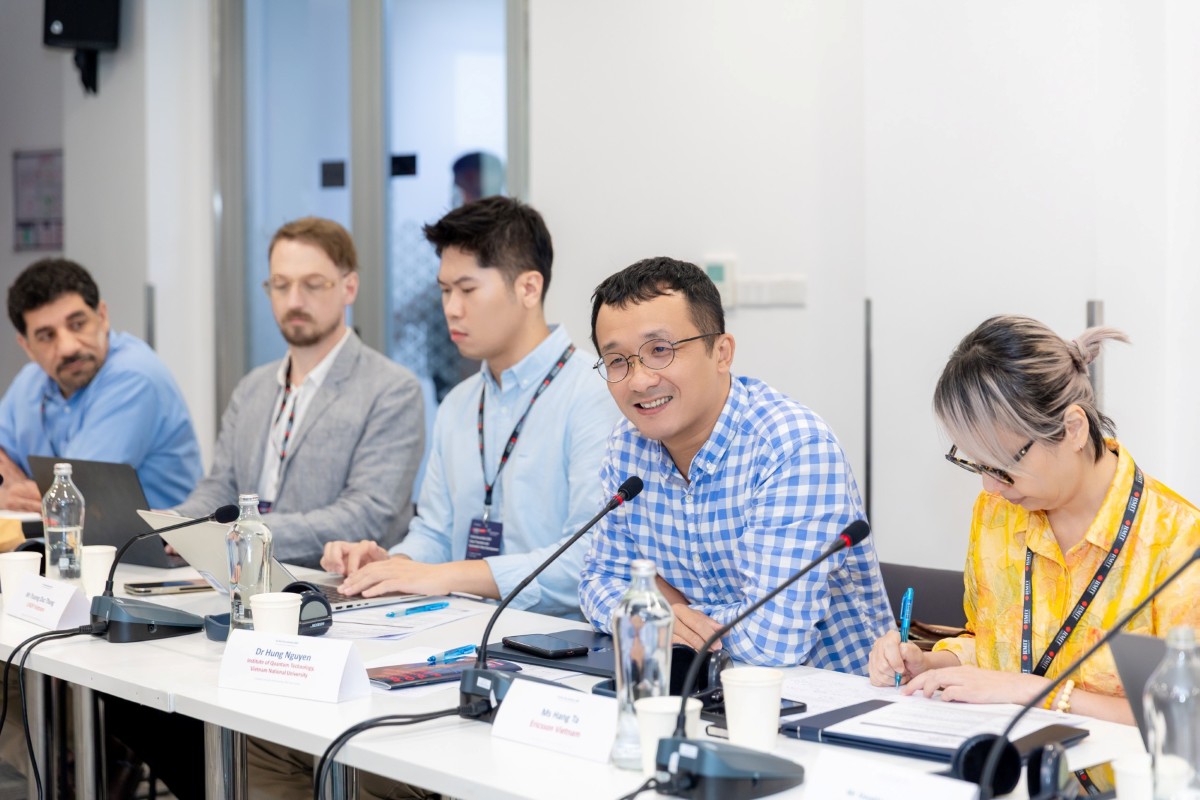
Five people sitting in a rowParticipants joined a discussion at the roundtable. (Photo: RMIT)

While discussions ranged from urban liveability and environmental sustainability to green industry transformation and innovation ecosystems, one recurring theme was how governance can help cities translate long-term visions into practical outcomes.

In their joint presentation, SSC Hub Co-leads Professor Jago Dodson and Professor Nguyen Quang Trung said that Hanoi’s next challenge is not simply managing growth but governing increasing urban complexity.

“As cities grow, success depends on coordinating land use, transport, climate resilience, data systems and public services across multiple jurisdictions,” Professor Dodson said. “For emerging mega-cities, effective governance has become just as important as new infrastructure investment. This requires deep knowledge of urban development processes and expert professionals who can plan and manage this growth.”

A second key insight was that technology alone cannot create sustainable cities.

According to Professor Trung, cities around the world are increasingly investing in AI, digital twins, urban databases, and other smart-city technologies. However, their effectiveness depends on the institutions that support them.

“Smart tools only matter when they change decisions. AI, digital twins and urban databases are useful only if they are backed by legal authority, data standards, skilled public servants, and accountable institutions,” he said.

He pointed to Hanoi’s efforts to strengthen smart governance, data management, and institutional capacity as important foundations for implementing its long-term vision.

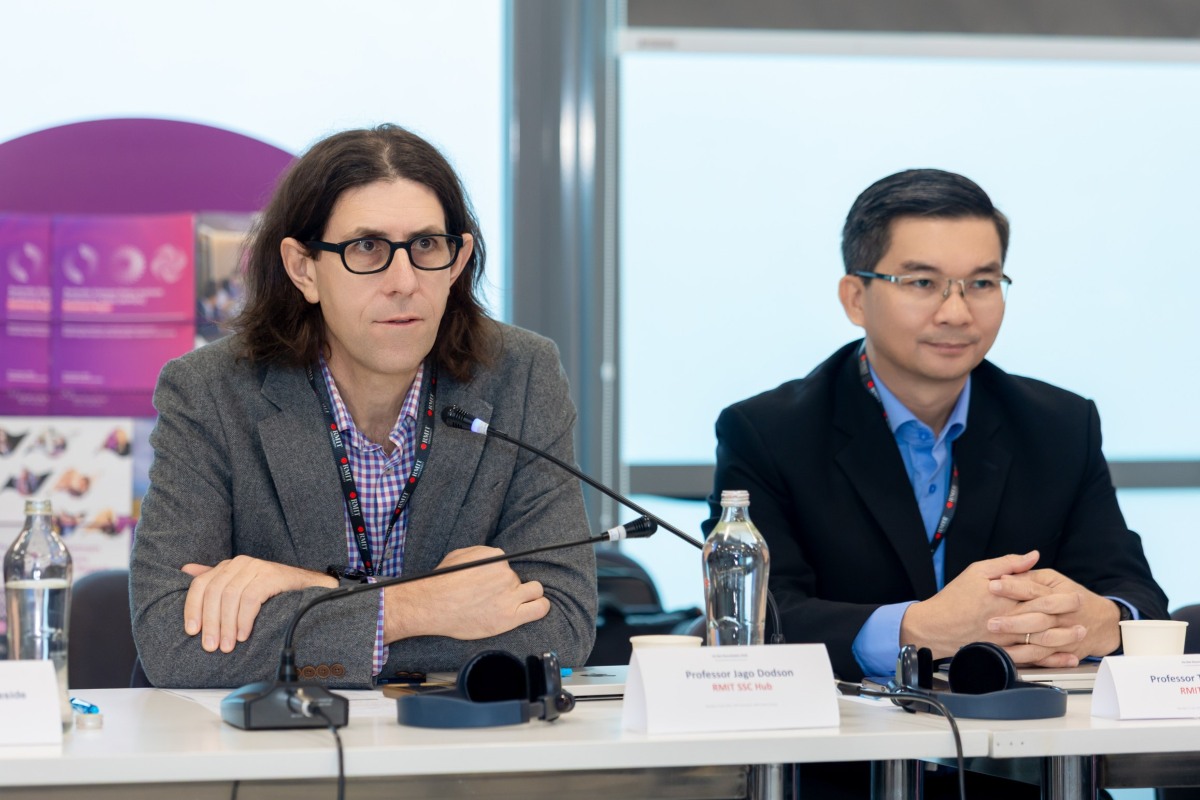
Two men sitting next to each otherProfessor Jago Dodson (left) and Professor Nguyen Quang Trung (right) delivering their presentation. (Photo: RMIT)

The discussion also emphasised that sustainability remains the ultimate measure of success.

“Smart is the means. Sustainable is the outcome,” Professor Trung said.

While cities can often adopt new technologies relatively quickly, building resilient transport systems, inclusive communities, and low-carbon urban environments requires long-term investment and political commitment.

International examples provided valuable lessons. The presenters highlighted experiences from some of the world’s most liveable cities in 2026 – Copenhagen, Melbourne, and Tokyo – where sustained investment, coordinated governance, and community participation have helped support long-term urban liveability and sustainability outcomes.

“For Hanoi, the task is not just to replicate other cities’ models, but to take inspiration and insight from those models to craft planning and urban management approaches that are adapted to the current and future condition and needs of Hanoi,” Professor Dodson said.

The roundtable concluded with discussions on future collaboration opportunities linking government, industry, and academia through research, policy engagement, capability development, and innovation initiatives.

These include additional scholarships for Vietnamese public-sector leaders to undertake doctoral research at RMIT, building the specialist knowledge and leadership capabilities critically needed to support Hanoi's long-term planning and governance.

Such initiatives, participants agreed, will be critical to translating long-term ambitions into tangible outcomes.

Story: Ngoc Hoang

Related news